
Introduction
In the competitive landscape of luxury accessories, wellness tools, and jewelry, few materials commands as much respect and fascination as jade. However, for product managers and global buyers sitting in offices in New York, Paris, or Tokyo, the journey from a rough, dust-covered stone to a pristine facial roller or a complex pendant can seem like a mysterious process. At JADE MAGO, we believe that transparency is the foundation of a successful manufacturing partnership. Understanding the technical nuances of production does not just satisfy curiosity; it empowers brands to make better design decisions, optimize costs, and tell a more compelling story to their end consumers.
The manufacturing of jade is fundamentally different from molding plastic or casting metal. It is a reductive process, meaning we must subtract material to reveal the form, rather than adding to it. To carve jade successfully requires a deep understanding of the stone’s specific hardness, grain structure, and fracture points. Whether you are looking to launch a line of Gua Sha tools or intricate jewelry components, the manufacturing workflow determines the final quality, durability, and aesthetic value of the product. This guide will walk you through every step of our factory floor, demystifying the technicalities of how we transform raw earth into polished luxury.
We have structured this guide to follow the linear progression of our production line. By the end of this article, you will possess the industry insider knowledge needed to distinguish between average production and premium craftsmanship. You will understand why certain designs incur higher costs, how we mitigate the risks of breakage during production, and the specific terminologies we use to ensure your specifications are met with precision.
Table of Contents
The Geology of Production: Selecting the Right Stone
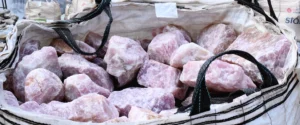
Before any machinery is turned on, the most critical phase of manufacturing takes place in the raw material warehouse. For a manufacturer, the quality of the rough stone dictates the potential of the final product. We cannot simply carve jade out of any rock; we must select material that is chemically stable, visually consistent, and structurally sound enough to withstand high-speed diamond cutting tools.
Distinguishing Between Nephrite and Jadeite
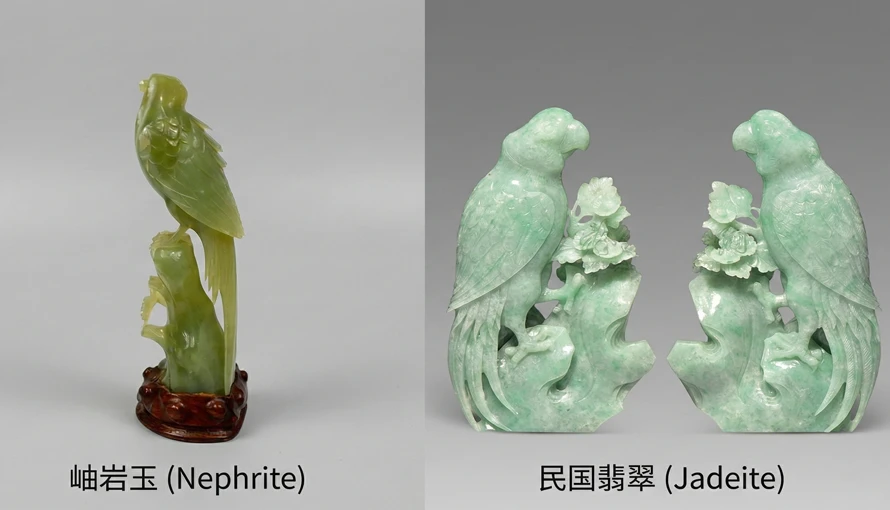
In the gemological world, the term “jade” actually refers to two distinct mineral species: Nephrite and Jadeite. Understanding the difference is vital for brands because these stones behave differently under the saw and polish differently on the wheel. Nephrite is a calcium-magnesium silicate that is tougher and more resistant to breakage due to its fibrous, interlocking crystal structure. This makes it an ideal candidate for beauty tools and thinner items that require durability. Jadeite, on the other hand, is a sodium-aluminum silicate that is generally harder but can be more brittle. It is prized for its vivid colors and translucency, often reserved for higher-end jewelry.
When we consult with a client, we first analyze the intended use of the product to recommend the correct mineral. For example, if a client requests a complex, thin design for a mass-market beauty tool, we might lean towards Nephrite or high-quality Quartz variants because they are less likely to fracture during the fabrication process. This selection process is backed by mineralogical data, similar to standards set by authorities like the Gemological Institute of America (GIA), ensuring that the material matches the mechanical requirements of the design.
Assessing Raw Material for Yield and Defects
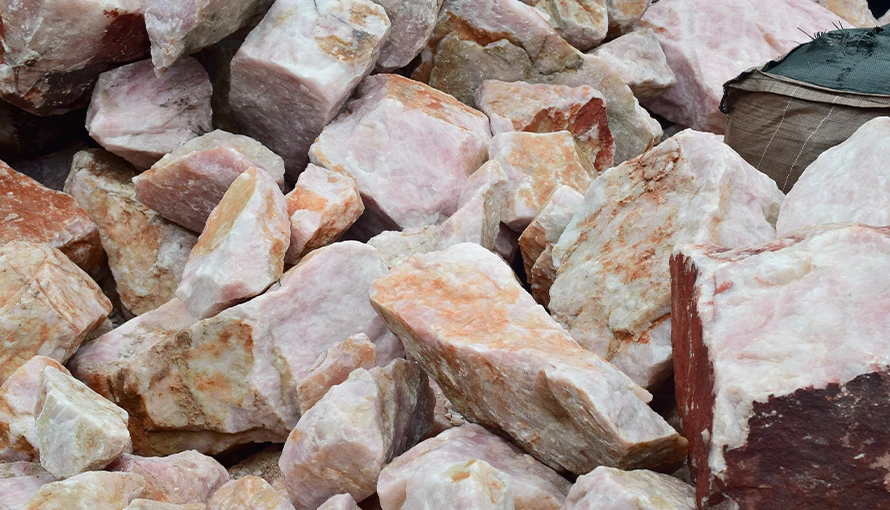
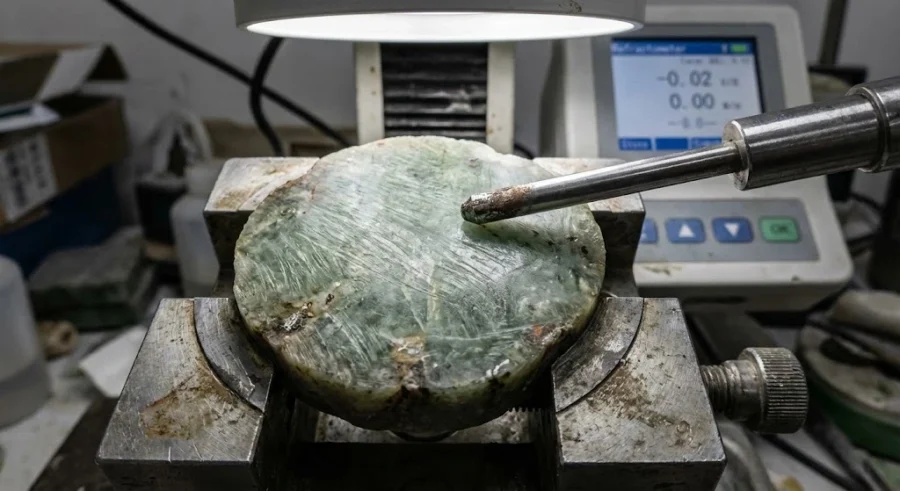
Once the mineral type is chosen, we move to the specific assessment of the rough boulders. This is where cost efficiency is won or lost. Raw jade boulders are often covered in a weathered “skin” that hides the internal quality of the stone. Our material experts use high-powered torches to check for internal cracks, known as “fractures” or “fissures,” which can be disastrous if they lie within a planned cutting zone. If we attempt to carve jade across a hidden stress fracture, the piece will likely shatter during the vibration of the CNC machine or the heat of the polishing wheel.
Furthermore, we must calculate the “yield rate”—the percentage of the raw stone that actually makes it into the final product. Jade is a natural material filled with unpredictable inclusions and color variations. A global brand usually requires high consistency across thousands of units, which means we must discard any parts of the stone that do not match the approved “master sample” color range.
To manage this, we carefully map out the cutting lines on the rough stone to avoid impurities while maximizing the usage of the premium sections. This rigorous selection process explains why the cost of raw material per kilogram doesn’t always directly correlate to the final unit price. Ultimately, the amount of waste generated to achieve a “perfect” look is a significant factor in custom manufacturing costs.
From Concept to CAD: Engineering for Stone
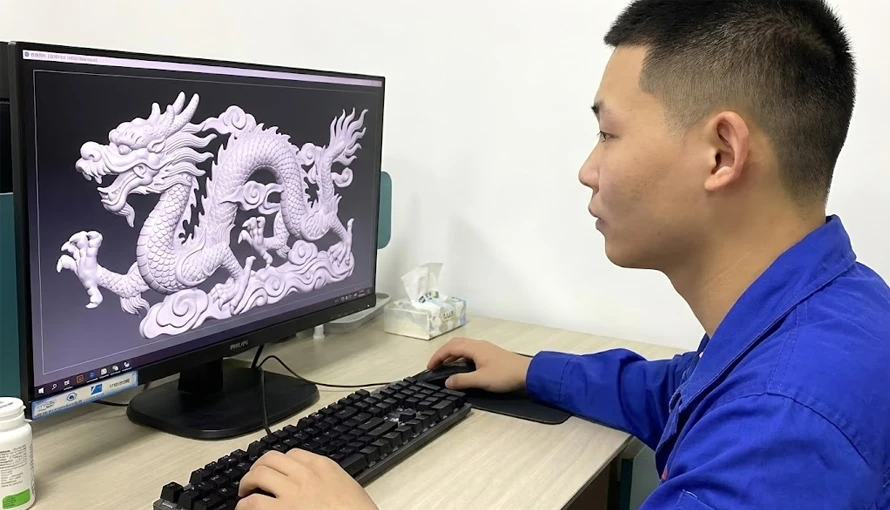
Once the raw material has been selected and approved for quality, the focus shifts to the engineering department. Many brands come to us with design files originally intended for plastic injection molding or metal casting, but these designs often fail when applied to natural stone. To carve jade efficiently, we must translate these concepts into a language that our machinery understands, taking into account the brittle nature of the material and the limitations of subtractive manufacturing.
Adapting Designs for Subtractive Manufacturing
The fundamental difference between manufacturing jade and manufacturing synthetic materials is that we are removing material, not reshaping it. In plastic manufacturing, you can create sharp 90-degree internal corners or incredibly thin walls because the material is injected into a mold. In jade processing, however, we use rotating diamond tools to carve the stone. A rotating tool is round, which means it cannot create a perfectly sharp internal corner; there will always be a slight radius matching the curvature of the tool.
Our engineering team works with client designers to modify 3D models (usually STEP or STL files) to accommodate these tooling constraints. We often have to thicken walls to prevent cracking during the vibration of the machining process. For example, a wall thickness of 2mm might work for ABS plastic, but for Nephrite jade, we generally recommend a minimum of 3mm to ensure the product survives drop tests and daily usage. This stage involves a collaborative feedback loop where we simulate the cutting path digitally to identify potential collision points or areas of high stress before a single stone is cut.
Setting Realistic Tolerances
Another critical aspect of the engineering phase is establishing the “tolerance”—the allowable limit of variation in a physical dimension. In metal machining, tolerances are often measured in microns, but stone is a heterogeneous natural material that reacts to heat and pressure. It is unrealistic to expect the same tolerances in jade as one would in aerospace aluminum.
Standard industry practice for jade products typically allows for a tolerance range of plus or minus 0.5mm to 1mm, depending on the complexity of the shape. We define these parameters clearly in the technical drawings to align expectations. This ensures that if a brand is ordering a Gua Sha tool that needs to fit into a specific custom-molded box, the packaging is designed with enough leeway to accommodate these slight natural variations. Understanding these physical realities helps brands avoid costly packaging errors later in the supply chain.
Precision Cutting: How We Carve Jade
With the CAD files finalized and the raw stone prepped, we enter the most dynamic phase of production. This is where the noise and energy of the factory floor come alive. The process to carve jade is a multi-stage operation that transitions from brute force to high-precision delicacy, utilizing both heavy industrial machinery and computerized automation.
The Primary Slice and Profile Cutting
The first step involves reducing the large, irregular boulders into manageable “slices” or “billets” that approximate the thickness of the final product. We use large-diameter circular saws tipped with industrial-grade diamond grit. These saws run at high speeds and are constantly flooded with a water-based coolant and lubricant mixture. The coolant is essential; without it, the friction would generate enough heat to cause thermal shock, instantly cracking the valuable stone.
Once we have uniform slabs of jade, we proceed to “profile cutting.” This is where the 2D outline of the product is cut from the slab. Think of this like using a cookie cutter on rolled-out dough, but with much higher resistance. We maximize the layout on each slab to ensure the grain direction flows aesthetically through the piece. This stage produces a “blank”—a rough shape that resembles the final product but lacks the 3D contours, bevels, or detailed surfacing.
CNC Machining for Consistent Geometry
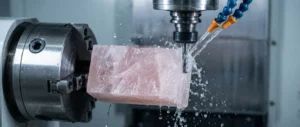
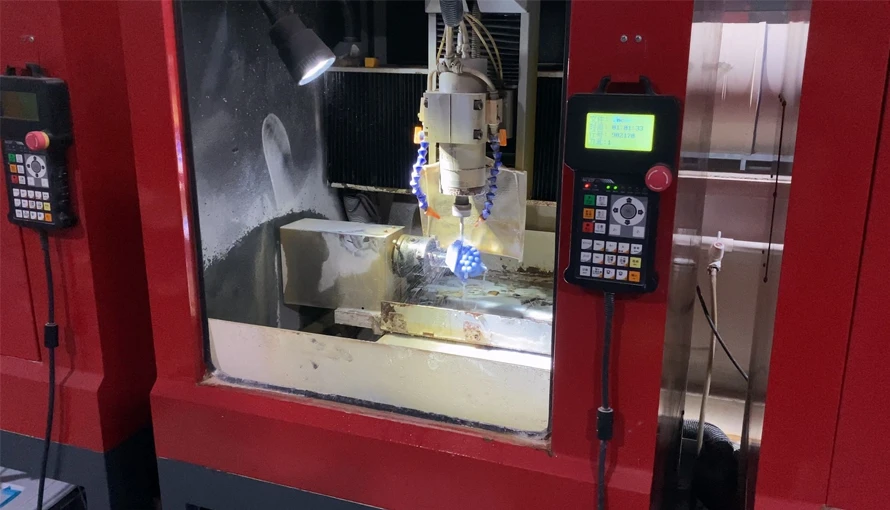
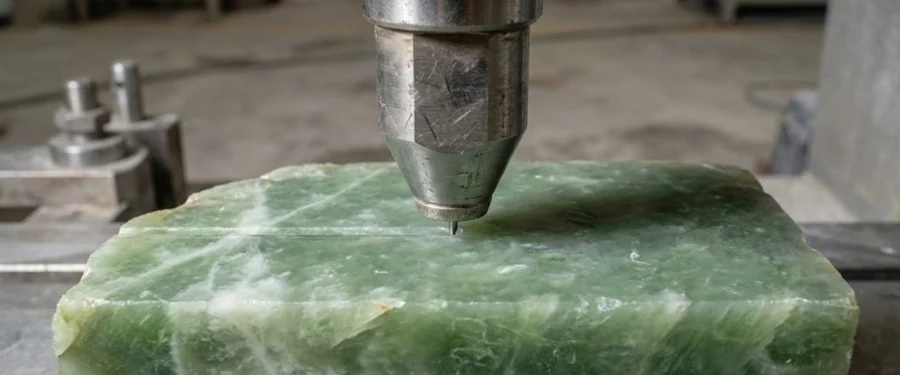
For global brands requiring thousands of identical units, manual carving is no longer sufficient due to inconsistencies in human output. We utilize CNC (Computer Numerical Control) carving machines to achieve uniformity. The approved 3D files are loaded into the machine, which uses small, sintered diamond burrs to carve jade blanks into their precise 3D geometry.
The CNC machine moves along the X, Y, and Z axes simultaneously, gently grinding away layers of stone to create complex curves, ergonomic indentations, and precise angles. This automation is what allows us to produce complex items like mushroom-shaped massage tools or intricate facial rollers with identical dimensions. According to standard manufacturing principles outlined by resources like ThomasNet on CNC Machining, this automation is the key to scalability. However, even with automation, the operator’s skill is paramount; they must listen to the sound of the cutting and monitor the coolant flow to ensure the diamond bits are cutting cleanly rather than grinding and burning the stone.
Manual Detailing and Refinement
While machines provide consistency, they cannot always reach every nook and cranny, especially for designs with “undercuts” or extremely deep recesses. After the CNC process is complete, the semi-finished pieces are passed to our master carvers. These artisans use handheld pneumatic tools to refine details that the rigid axes of a machine cannot execute.
This human touch is often required to smooth out the “step marks” left by the CNC machine. A CNC machine cuts in tiny increments, often leaving microscopic ridges on the surface of the jade. A skilled worker must grind these ridges down to create a fluid, organic surface. This hybrid approach—using robots for the heavy lifting and geometry, and humans for the artistic nuance—is the most efficient way to carve jade for the modern B2B market. It balances the need for industrial scale with the organic appeal that consumers expect from natural stone products.
The Transformation: Polishing and Surface Finishing
After the machinery has finished its work to carve jade into the desired geometric shape, the product that emerges is unrecognizable to the average consumer. At this stage, the stone is matte, covered in white rock dust, and feels rough to the touch. The “soul” of the jade—its translucency, color depth, and cold, smooth texture—is only revealed through a meticulous polishing process. This phase is arguably more labor-intensive than the carving itself, as it requires a progressive treatment of the surface to achieve a “vitreous” (glass-like) or “greasy” (waxy) luster.
The Graded Sanding Progression
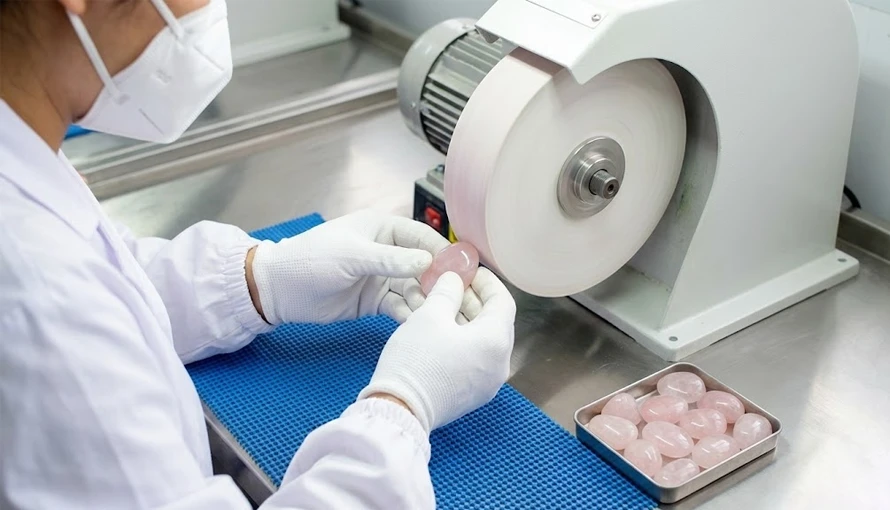
Polishing is essentially a process of scratching the surface with finer and finer abrasives until the scratches are too small for the human eye to see. We begin with coarse sandpaper or grinding wheels, typically starting at a 200 or 400 grit level, to remove the deep tool marks left by the diamond saws. If these deep marks are not removed completely at this stage, they will remain visible as “ghost scratches” under the final polish, ruining the aesthetic of the product.
From there, the stone moves through a strict hierarchy of refinement, proceeding to 800, 1200, and eventually 3000 grit abrasives. Between every single stage, the product must be washed and inspected. If a worker accidentally brings a single grain of coarse sand into a fine polishing stage, it can create new deep scratches, forcing us to restart the process for that piece. This painstaking progression is what separates high-end manufacturing from budget production; budget factories often skip intermediate grit steps to save time, resulting in a luster that looks dull or “cloudy” after a few weeks of use.
Vibration Tumbling vs. Hand Buffing
For global brands managing costs, understanding the difference between tumbling and hand polishing is essential for pricing strategy. Vibration tumbling is a mass-finishing process where hundreds of carved jade pieces are placed in a large, vibrating tub filled with ceramic media (small pellets) and abrasive compounds. The machine vibrates for days, gently rubbing the stones against the media to smooth them out. This is excellent for rounded, organic shapes like tumbled stones or simple beads, and it offers a consistent, cost-effective finish.
However, for complex shapes like Gua Sha tools with specific edges or rollers with metal-fitting holes, hand buffing is often required. Hand buffing involves a worker holding the piece against a spinning wheel made of leather, cotton, or bamboo, applying diamond paste manually. This method allows us to achieve a “mirror finish” on flat surfaces and ensures that the edges remain defined rather than overly rounded. While hand finishing significantly increases labor costs, it produces the premium, high-gloss aesthetic that luxury consumers associate with top-tier jade products.
Quality Control: Protecting Your Brand Reputation
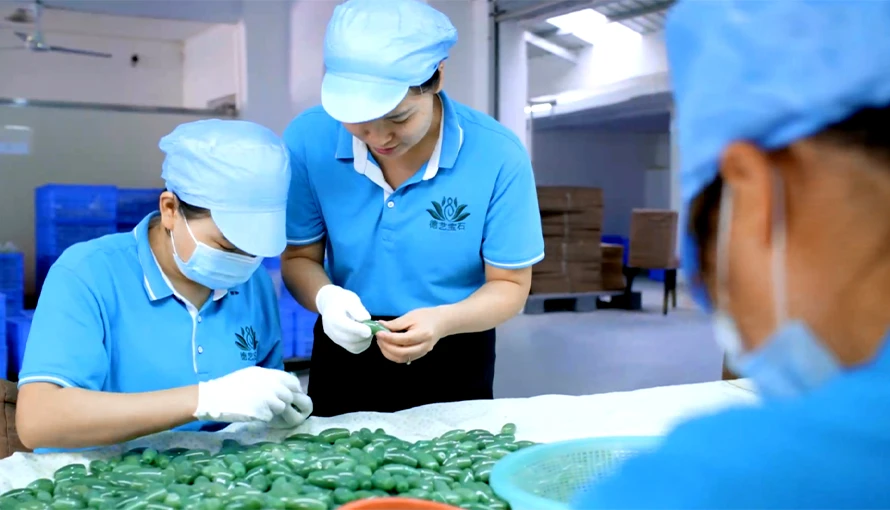
In the world of natural stone manufacturing, Quality Control (QC) is not just a final step; it is an ongoing filter applied at every stage of production. Because we carve jade from a natural material, we are constantly fighting against the inherent unpredictability of the earth. Veins, mineral inclusions, and variation in crystal structure are inevitable, so our job is to categorize these natural features into “acceptable characteristics” versus “defects.”
Distinguishing Cracks from Stone Lines
The most common point of friction between manufacturers and buyers is the definition of a “crack.” In our QC protocols, we distinguish between a structural crack and a “stone line” or healing fissure. A stone line is a natural vein where the stone has healed itself geologically over millions of years; it is structurally sound and cannot be felt with a fingernail. A crack, however, is a physical separation that occurred during mining or processing.
Our QC technicians utilize the “fingernail test” as a primary baseline: if your fingernail catches on the line as it moves across the surface, it is a surface crack and constitutes a defect. For internal fractures that do not breach the surface, we use focused light transmission. If a light source reveals that a fracture blocks light transmission significantly or reflects light at a sharp angle inside the stone, it represents a structural weakness. These pieces are culled from the primary shipment and recycled or sold as lower-grade stock, ensuring that the products reaching your warehouse are durable enough for retail handling.
Statistical Sampling and AQL Standards
When producing orders in the tens of thousands, inspecting 100% of the units is not always feasible or cost-effective for the client, although we offer it as a premium service. For standard orders, we operate based on the Acceptable Quality Limit (AQL) standards, which is the industry standard for statistical sampling. We typically define an AQL of 2.5 for major defects (like cracks or wrong dimensions) and 4.0 for minor defects (like slight color variance).
This means that for a shipment of 5,000 rollers, we will randomly select and inspect a specific number of units based on the ISO 2859-1 sampling procedures. If the number of defective units in that sample exceeds the limit, the entire batch is sent back for re-working or 100% re-inspection. By adhering to these internationally recognized statistical methods, we provide our global partners with a quantifiable assurance of quality, removing the guesswork from the import process.
Packaging for Survival: The Last Line of Defense
One of the most heartbreaking moments in manufacturing is producing a perfect batch of products only to have them arrive at the client’s warehouse in pieces. Because we carve jade into thin, elegant shapes, the resulting products are inherently fragile. Unlike clothing or plastic goods, stone does not absorb shock; it transfers it. Therefore, the packaging phase is not merely about aesthetics; it is a critical engineering challenge designed to ensure survivability during international transit.
Engineering Custom EVA Inserts
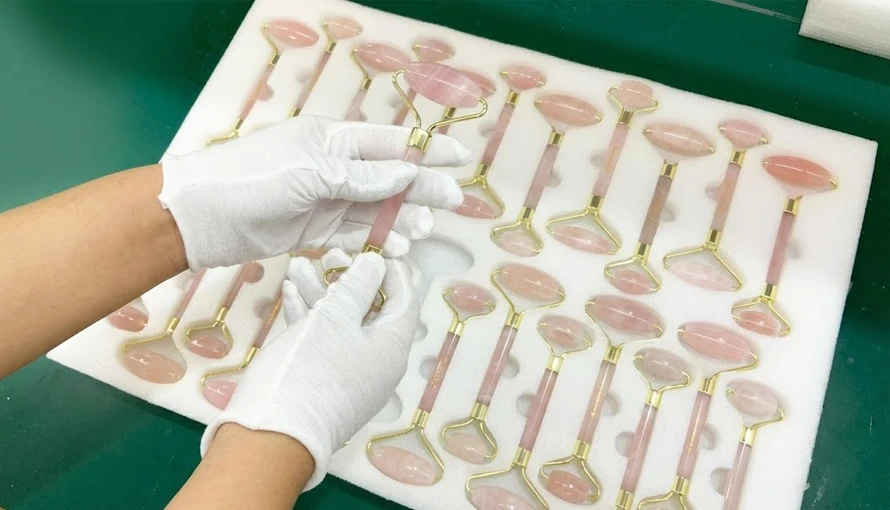
Standard sponge or bubble wrap is rarely sufficient for high-end jade products, especially those sold in retail boxes. We strongly advocate for the use of custom-molded EVA (Ethylene-Vinyl Acetate) foam inserts. Unlike soft sponge, EVA is dense and rigid enough to hold the stone firmly in place, preventing it from shifting or rattling against the packaging walls during rough handling by couriers.
The design of the insert must account for the specific geometry of the carved item. For example, if we produce a dual-ended jade roller, the metal neck is a pressure point. If the packaging presses down on the roller head, it can snap the stone at the connection point. We design “floating” recesses within the EVA foam where the delicate parts of the product are suspended, ensuring that any impact to the outer box is absorbed by the foam rather than the stone itself. We validate these designs using standard drop-test protocols, often referring to standards similar to those established by the International Safe Transit Association (ISTA), to simulate the drops and vibrations of air and sea freight.
Managing the Weight Factor in Logistics
For global brands, the logistics budget is often the biggest surprise when entering the jade market. Stone is incredibly dense; a small box of jade rollers weighs significantly more than a similarly sized box of cosmetics or electronics. This density impacts your shipping strategy, as freight costs are calculated based on the greater of “actual weight” or “dimensional weight.”
When planning your supply chain, it is vital to optimize the master carton layout. We work to minimize “dead air” inside the shipping cartons to keep the volume low, but we cannot compromise on the padding thickness required for safety. We generally recommend that clients shipping via air freight (for speed) budget carefully for this weight, while larger volume orders should almost always move via sea freight to maintain healthy profit margins. Understanding the density of the material helps you calculate accurate landed costs, preventing profit erosion when the shipping invoice arrives.
Conclusion: The Invisible Value of Craftsmanship
The journey to carve jade from a raw, earth-encrusted boulder into a refined tool of beauty is a complex orchestration of geology, engineering, and artistry. For the consumer, the product is simply a beautiful object that feels cool to the touch. But for the brand manager, understanding the depth of this process—from the selection of non-fractured Nephrite to the specific grit of the final polish—is the key to building a sustainable and reputable brand.
At JADE MAGO, we believe that manufacturing is not just about cutting stone; it is about solving problems before they happen. By understanding why we thicken walls for structural integrity, why we hand-polish for premium luster, and how we filter defects through rigorous QC, you are better equipped to communicate value to your customers. You are not just selling a stone; you are selling a product that has survived a rigorous journey of selection and refinement to earn its place in your collection.
We hope this guide has illuminated the “black box” of jade manufacturing. Whether you are launching a new startup or scaling a global enterprise, we are ready to apply this expertise to your next project, ensuring that your vision is carved into reality with precision and care.
Frequently Asked Questions
How is manufacturing jade different from materials like plastic or metal?
Jade manufacturing is a reductive process, meaning we must subtract material to reveal the form. Unlike plastic (molding) or metal (casting), where material is added or shaped into a mold, jade carving starts with a solid block and removes roughly 50-70% of the raw material to achieve the final product.
Can jade be carved with standard steel tools?
No. Jade is incredibly tough and hard. We must use diamond-sintered tools (saws, burrs, and grinders). Steel tools would dull instantly and fail to cut the stone.
How do you ensure consistency for mass-produced items?
For global brands requiring thousands of identical units, we use CNC (Computer Numerical Control) carving machines.
-900x375.webp)