
Introduction
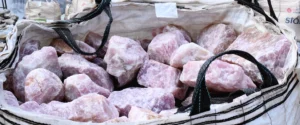
When the festive spirit envelops the JADE MAGO workshop and the rhythmic hum of diamond saws cutting rough stones plays its familiar melody, I often find myself reflecting on the past. Back then, I was still a novice salesperson, learning to navigate the complex demands of customers across global markets. As Christmas approached—a season typically defined by frantic inventory rushes—I received a simple inquiry email.
It came from a father in a modest Spanish family. He didn’t ask about wholesale prices per kilogram or delivery times for bulk carvings. He simply inquired: “Are your jewelry pieces all natural?” I wasn’t a product manager yet, just starting out in this business. With youthful candor, I replied, “Yes, but how is that relevant to you?” Little did I know this would become my initiation lesson—one that ultimately shaped two core principles for our products.
Table of Contents
Is “natural” always better?
For us, deeply rooted in the B2B jade and crystal processing sector, “natural” is often just a technical parameter—like a line on a certification from labs such as GIA (Gemological Institute of America). We discuss refractive index, Mohs hardness, and mineral inclusions as if these were the only standards that mattered. Not from our merchant’s perspective.
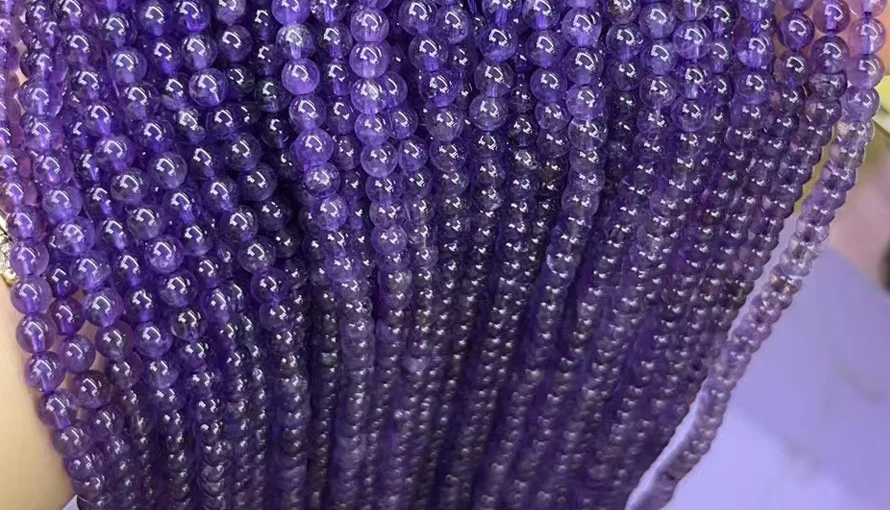
This father insisted, “It absolutely must be natural amethyst. No B-grade! No B-grade!” At first, I didn’t understand—shouldn’t jewelry just be about personal preference? After a long conversation, I finally grasped it. He was preparing a set of amethyst jewelry paired with jade for his daughter’s wedding. Behind this obsession with material quality lay profound significance.
Value Beyond the Transaction
He was actually a very typical father—kind-hearted yet not adept at expressing emotions. But he was deeply responsible, still remembering the joyful times his daughter spent by his side. What stood out most was how she would often linger for hours on the riverbank, pockets stuffed with ordinary pebbles she treasured like precious gems. She would tell him excitedly how she hoped these stones would one day become the crystals or gems from fairy tales. To preserve this childhood joy and his love for his child, he would secretly buy colorful glass stones, pretending they were crystals and gems polished from raw river stones.
He also hoped his daughter would never forget the happiness of her childhood and remember she had a family that loved her. This time, emphasizing natural amethyst and jade was meant for the jewelry she wore to quietly tell her: “True love flows from the past into the future, forever preserving joy.”
Does true love require genuine materials?
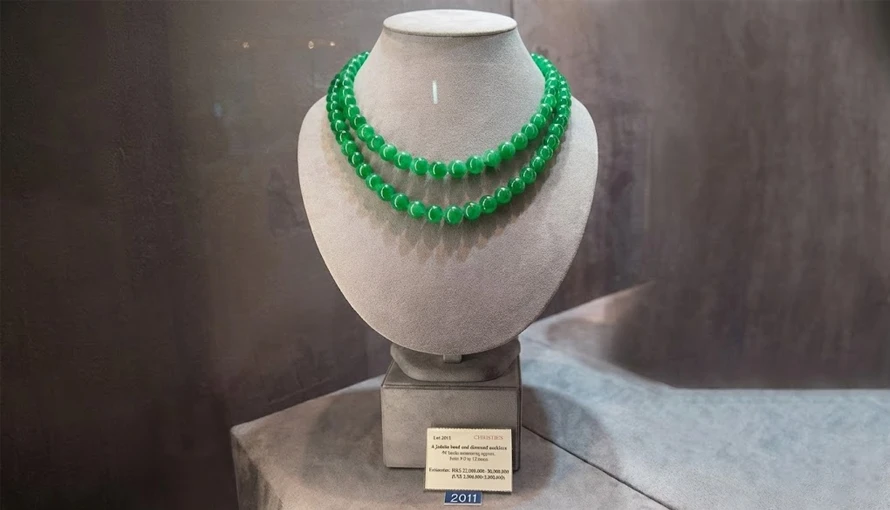
Precious gems need not concern themselves with authenticity. Whether childhood glass or present-day crystal, they are merely expressions of love—mere manifestations that shouldn’t be over-pursued. What you truly need is genuine affection. He simply used real crystal to articulate the love he couldn’t express. This is an emotion we must never betray.
The Bottom Line of Craftsmanship
As JADE MAGO’s current product manager, amidst the daily operational “process”—sudden surges in custom orders, meticulous demands for new jade carvings, and unexpected challenges in raw material procurement—I sometimes reflect. Had I not upheld that bottom line, deceiving that father by selling fake crystal or B-grade goods, I might never have achieved what I have today.
I could have spun compelling marketing narratives to mask the truth about inferior goods. But I refused to sell a father’s profound love for mere dollars. This is precisely the “emotional authenticity” we pursue: every piece leaving our workshop has the potential to become a family heirloom, a silent witness to weddings, new births, or every birthday celebration.
Material Grading
At this point, let me briefly introduce some classifications and grading standards for crystal. The industry’s term “natural” crystal is typically classified based on whether it has undergone artificial treatment and the extent of such treatment, rather than subjective judgments about emotional or energetic properties. Authoritative bodies like GIA and CIBJO categorize crystals into three main groups: natural crystal, treated natural crystal, and synthetic crystal.
Natural crystal refers to those formed under natural geological conditions, undergoing only physical processing such as cutting and polishing without altering their chemical composition or crystal structure;
Treated natural crystals may undergo heat treatment or irradiation to enhance color or appearance, but the treatment method must be clearly stated in commercial and testing documentation;
Synthetic crystals are artificially grown in laboratory conditions and do not fall under the category of natural gemstones.
Compared to non-standardized commercial grading, comprehensive and transparent disclosure of material composition and treatment history represents the internationally recognized professional standard within the jewelry and semi-precious gemstone industry. Naturally, we also maintain our own factory grading system, primarily focused on differentiating value based on the quality of natural materials.
Potential Risks of Imitations
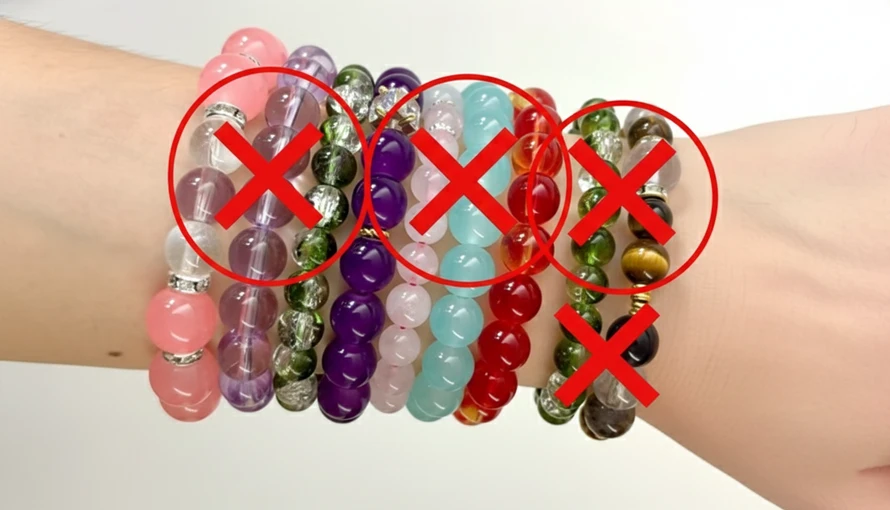
While the emotional appeal of natural materials is compelling, parents emphasize “natural” origins for more pragmatic and urgent reasons: safety. Through years working in crystal and jade processing, I’ve witnessed the dark side of the mass-produced imitation market. While some imitations are harmless glass or decorative resin, the market is flooded with substandard materials that pose genuine health risks to wearers.
Unscrupulous manufacturers often prioritize aesthetics and cost control over human health. They take chemical shortcuts to mimic the vivid colors and translucent qualities of high-grade natural gemstones. For parents, the fear that an accessory purchased to celebrate their child could actually harm them is a powerful driver behind their insistence on seeking guarantees of natural materials. This is not “superstition” or “outdated thinking”—it is a rational response to a history of industrial negligence.
Heavy Metals and Hidden Toxins
The most significant risk from low-end glass and plastic imitations lies in heavy metal contamination. To achieve specific hues or enhance the weight and “feel” of fake stones, manufacturers may add lead (Pb), cadmium (Cd), or nickel (Ni). These are not mere technical impurities but substances with clear health hazards. According to World Health Organization (WHO) research, even long-term trace exposure to lead can have devastating health impacts.
The risk of chronic exposure through skin contact is particularly severe when children or pregnant women wear “lead-glass” necklaces disguised as crystal. Sweat and friction cause these metals to continuously leach from the surface of the imitation. Parents who insist on choosing “natural” gemstones instinctively seek to shield their families from these invisible dangers. They understand that natural gemstones, formed through millennia of geological processes, need no heavy metal additives to reveal their inherent beauty.
The Hidden Dangers of Dyeing and Resin Treatment
Beyond heavy metals, the process of “enhancing” inferior gemstones often involves intense chemical treatments. Resin injection and dyeing are common techniques used to disguise low-grade ore as high-quality jadeite or amethyst. These surface coatings are frequently unstable—dye can leach out when exposed to sunlight, household chemicals, or human oils, causing skin allergies or irritation.
At JADE MAGO, we frequently encounter customers harmed by such products. They choose us precisely because they need assurance that our jade journey is guided by genuine care. They seek to know: when we polish a piece of nephrite, we do not mask imperfections with toxic lacquer. At the core of pursuing natural materials lies our responsibility to future generations—an unwavering commitment to delivering pure beauty.
Where Tradition Meets Precision
Years have passed since that life-changing encounter with my Spanish friend, yet those revelations remain the bedrock of my career as JADE MAGO’s Product Manager.
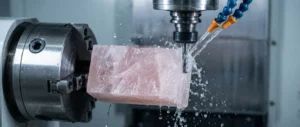
The industry underwent dramatic shifts during this period: synthetic substitutes grew increasingly lifelike, and advanced lab-grown crystals now challenge even seasoned gemologists. Yet today, walking through our factory workshops, I deeply understand: though our tools have evolved from rudimentary hand-grinding wheels to precision CNC machines, the soul of our work remains anchored in that original pursuit of natural essence.
At JADE MAGO, we do not view technology as a means to replace the natural essence of gemstones, but rather as a way to pay homage to them with unprecedented precision. Our artisans understand that each raw stone possesses unique emotional value. We employ our expertise to ensure the finished product is not merely a cold industrial item, but a precious treasure from Mother Nature and a heartfelt emotional connection.
.webp)
Authentic Precision
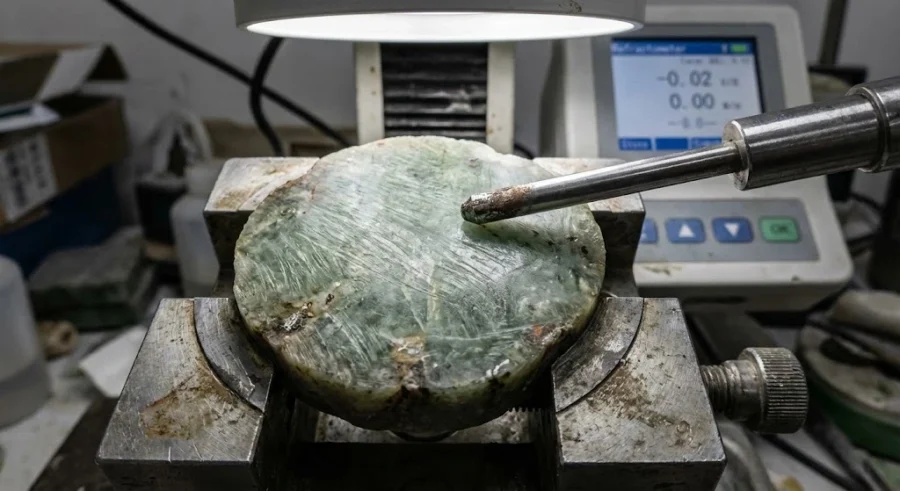
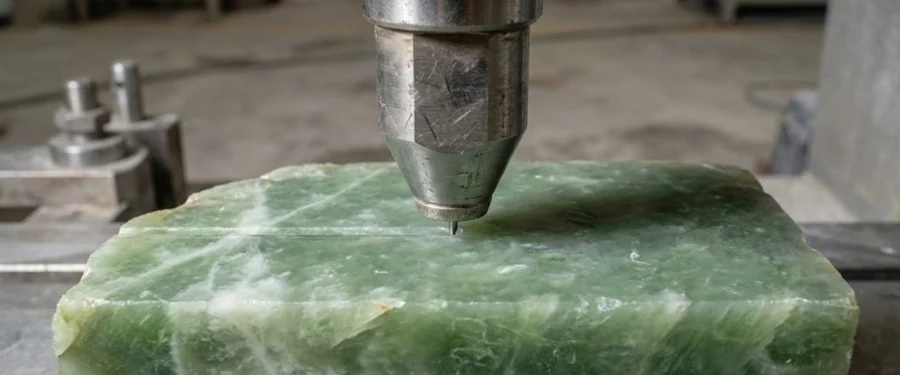
In the B2B realm, precision is often measured in millimeters and tolerances, but for us, it is fundamentally about the authenticity of materials. As a product manager, my paramount principle is never compromising on raw materials—no matter how lucrative the profit, I steadfastly reject imitations or inferior materials. This is not merely an ethical stance but a technical necessity—high-precision carving demands materials with stable structural integrity, which counterfeit “grade B” jade simply cannot provide.
When CNC-carving intricate jade ornaments, the material must withstand diamond-tipped tools spinning at high speeds without fracturing or losing luster. Synthetic resins or “filled” stones often fail in such processes, as their internal structure has been compromised by chemical treatment. By insisting on natural “Grade A” raw jade, we ensure our products meet the stringent standards of organizations like the International Organization for Standardization (ISO), delivering exquisite pieces that blend beauty and durability for B2B clients.
The Artisan’s Responsibility
At JADE MAGO, the second principle guiding every decision is this: the jade-working process must be undertaken with genuine emotion. This means we don’t merely “process” a stone—we undergo a transformation alongside it, forever honoring the sentiments of every user. Whether it’s a father in Spain or a luxury boutique in New York, we rely on their trust and affection.
This responsibility extends to our team. We firmly believe that artisans who respect the material can create exceptional works. Therefore, we invest heavily in training our team to discern the subtle differences between various grades of jade and crystal. We teach them: those operating the machines are, in fact, guardians preserving a legacy of thousands of years. It is this “emotional authenticity” that allows us to stand out in a market flooded with soulless mass-produced goods.
Why “Natural” Is Responsibility, Not a Label
Many dismiss the older generation’s insistence on “natural” as superstition. However, experience reveals this preference stems from a modern sense of responsibility. At its core, pursuing natural materials is a duty to every child who will inherit these items, providing the peace of mind that comes from knowing exactly what touches their skin.
Learning from History
Parents focus on these details because they lived through an era of lax regulations and unscrupulous merchants. The 20th century saw markets flooded with leaded glass and chemically dyed minerals sold as high-end jewelry. This historical trauma has evolved into a cautious skepticism and a demand for transparency. When parents ask if a crystal is natural, they are fundamentally seeking assurance of its safety.
The Dangers of Imitations
Imitation crystals can cause significant harm, endangering vulnerable groups like infants and pregnant women. The mass-produced imitation market often uses surface coatings or resin fillings that leach chemicals upon contact with sweat or sunlight. These long-term health risks are hazards that responsible brands must never associate with.
Commitment to Safety and Integrity
At JADE MAGO, we leverage our industry standing to advocate for higher standards. Our production adheres to global safety benchmarks like the EU’s REACH Regulation, which limits hazardous substances in consumer goods. We believe natural authenticity is a fundamental commitment to human safety. By presenting chemically stable and biologically inert jade, we build lasting trust and integrity.
Treating People with Sincerity
In B2B marketing, we’re often urged to focus on “hard” data—price points, logistics, technical specifications. But my Spanish friend taught me: the most powerful marketing tool is “authentic emotion”—the fusion of craftsmanship with human experience. At JADE MAGO, we don’t just tell clients what we make, but why we make it. We share heartfelt empathy because these narratives resonate across cultural and linguistic divides.
We understand that nature’s authenticity is an expression of love. When customers choose natural jade, they select not just material value, but a symbol of a parent’s eternal love for their child. Trust doesn’t need to be forced through deceptive marketing—when we honestly disclose jade’s origins, the stones tell their own story. Our role is simply to provide a space where this natural emotion can resonate.
Building a Transparent Supply Chain
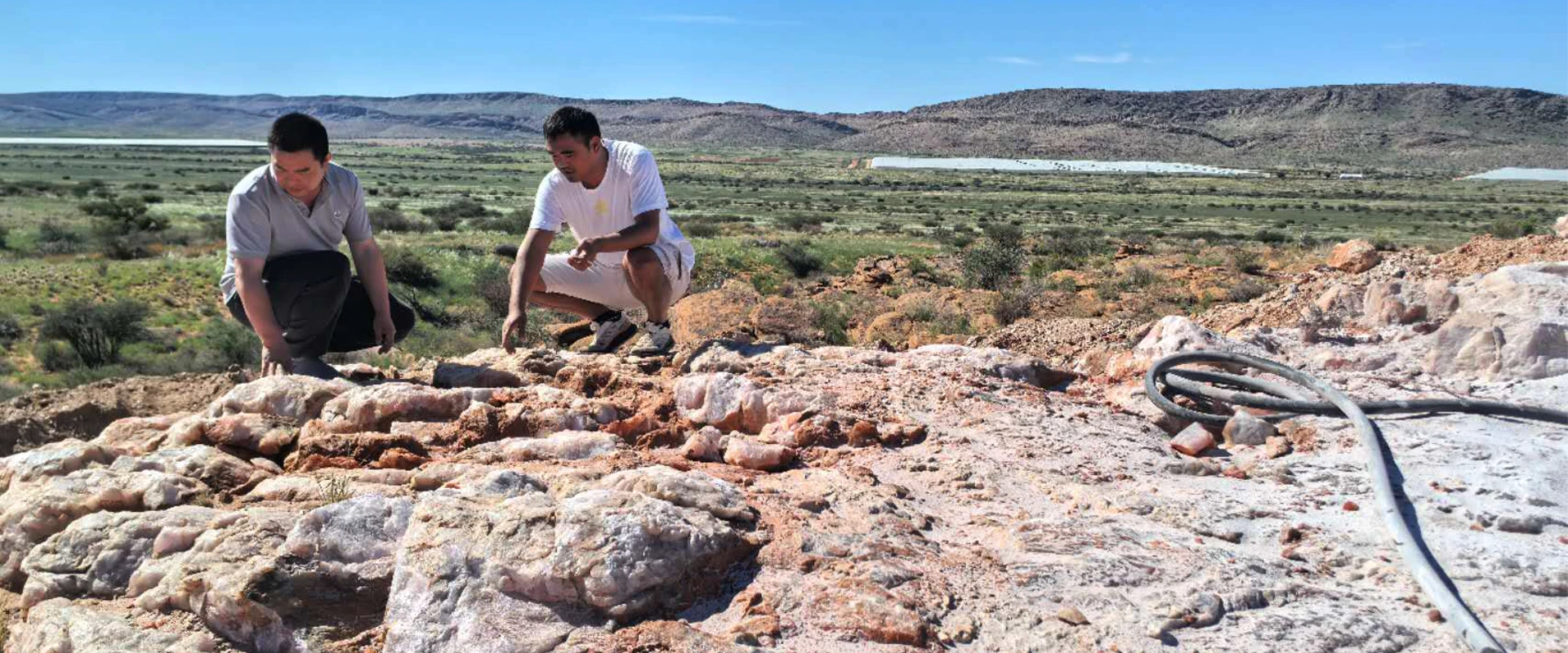
One path to achieving “emotional authenticity” is to fully reveal our supply chain to customers. We want them to witness the arrival of raw stones, observe CNC machines sculpting them, and see how final hand-polishing awakens the stone’s inherent radiance. This transparency directly counters fraudulent merchants who mask product truths with “heartwarming stories.” We firmly believe reality resonates far more powerfully than any fiction.
By inviting partners to understand the complexity of jade craftsmanship, we empower them to tell their own stories to end consumers. They can confidently articulate the difference between mass-produced imitations and JADE MAGO’s original creations—a confidence rooted in their deep understanding of our unwavering principles. This educational strategy bridges the technical world of manufacturing with the emotional realm of consumers, forging a respected brand that embodies both technical mastery and profound soul.
The Future of Natural Materials
Looking ahead, demand for natural and ethically sourced raw materials will only grow. Consumers increasingly care about the environmental and social impact of their purchases. Our unwavering focus on natural jade and crystal positions us at the forefront of the “quiet luxury” and “artisan quality” movements. The “fast fashion” of the gemstone world holds no place for us; we are dedicated to creating heirlooms.
Our commitment to natural materials is a pledge to the future. It ensures that the “true love” spoken of by that Spanish father flows from the past into tomorrow. At JADE MAGO, we will continue to safeguard this legacy through masterful craftsmanship, ensuring each carved jade piece bears witness to nature’s eternal power and the unshakable bonds of human emotion.
Conclusion
Ultimately, why do parents always emphasize the natural origins of objects? Because they know that in this era of fleeting trends and synthetic abundance, only the natural offers true peace of mind. They do this to shield their children from the dangers of inferior craftsmanship, offering them pieces imbued with the weight of history and the love and blessings of their parents.
At JADE MAGO, we draw upon this wisdom, embedding it into our brand DNA. We are not merely a jadeite workshop, but a team of artisans committed to the principle of “authentic emotion.” We reject deception, refuse to use inferior materials, and will never betray our clients’ trust. Every cut, every polish, reflects the emotional bond between people and nature, alongside our unwavering dedication to craftsmanship.
Looking ahead, we invite you to join us on this journey where technology meets tradition—where a gemstone’s “natural” origins become the beginning of a compelling story. Whether you’re a wholesaler seeking a reliable partner or a brand looking to elevate your collection, JADE MAGO delivers the pure quality your customers deserve. Because ultimately, what people truly need isn’t just natural materials—it’s the genuine emotion and responsibility they embody.
Frequently Asked Questions
Why do parents emphasize the “natural” origin of objects so strongly?
Responsibility for Safety: This insistence stems from a modern sense of duty to ensure that products touching a child’s skin are safe.
Historical Context: Older generations lived through eras of lax regulations where leaded glass and dyed minerals were sold as high-end jewelry, leading to a demand for transparency.
Emotional Symbolism: Natural gemstones serve as a symbol of a parent’s eternal love, carrying profound emotional weight beyond mere material value.
What are the specific health risks associated with low-end imitation crystals?
Heavy Metal Contamination: Manufacturers may add lead (Pb), cadmium (Cd), or nickel (Ni) to enhance the weight or color of fake stones.
Chemical Leaching: Sweat, friction, or sunlight can cause these toxins or unstable dyes to leach from the surface, endangering children and pregnant women.
Skin Irritation: Processes like resin injection and dyeing used to mask low-grade materials can cause skin allergies and irritation.
What are JADE MAGO’s core commitments regarding product quality?
Regulatory Compliance: Production adheres to global safety benchmarks like the EU’s REACH Regulation, which strictly limits hazardous substances.
Rejection of Enhancements: The company refuses acid bleaching, polymer filling, or toxic lacquers, ensuring products are chemically stable and biologically inert.
Material Integrity: Only natural “Grade A” raw jade is used to ensure the material can withstand high-precision CNC carving without structural failure.
-900x375.webp)