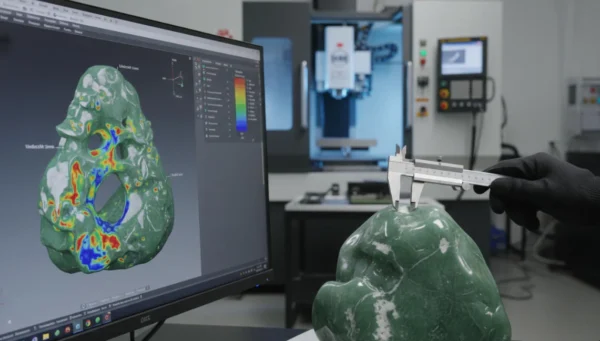
Have you ever received a shipment of jade bracelets that looked perfect in photos, only to find hairline cracks appearing after your first customer wore them for a week? Or perhaps you’ve dealt with the frustration of “A-grade” crystals that arrived cloudy, poorly polished, and nothing like the samples you approved? You’re not alone. According to industry estimates, nearly 70% of jade and crystal product shipments contain quality defects ranging from minor aesthetic flaws to critical structural failures that render products unsellable.
The jade and crystal manufacturing industry operates in a peculiar gray zone where “quality” remains frustratingly subjective. One factory’s premium grade is another’s reject pile. Without standardized inspection protocols, buyers—whether you’re running a small Etsy studio or managing procurement for a major e-commerce brand—find themselves gambling with every order. The stakes are high: damaged reputation, costly returns, lost customer trust, and margins that evaporate when you’re constantly replacing defective inventory.
This quality chaos isn’t inevitable. After fifteen years of manufacturing jade and crystal products for clients across thirty countries, we’ve identified seven critical quality checkpoints that separate exceptional products from the disappointing norm. These checkpoints aren’t arbitrary standards dreamed up in a boardroom—they’re battle-tested protocols developed by analyzing thousands of defect patterns, customer complaints, and manufacturing failures. More importantly, they’re practical systems that transform quality from a hoped-for outcome into a predictable result.
What makes these seven checkpoints different from typical factory quality claims? They’re specific, measurable, and transparent. Instead of vague promises about “superior craftsmanship,” each checkpoint defines exactly what to inspect, how to measure it, and what constitutes pass or fail. Whether you choose to implement these standards with your current supplier or partner with a manufacturer who already follows them, understanding this framework gives you the technical vocabulary and confidence to demand—and receive—the quality your business deserves.
The cost of ignoring quality control is measured not just in returned products, but in opportunities lost. While you’re firefighting supplier disputes and managing customer complaints, your competitors with robust quality systems are building premium brand reputations, commanding higher prices, and enjoying repeat purchase rates that create sustainable growth. The question isn’t whether quality matters—it’s whether you’ll continue operating without a systematic approach to ensuring it.
Table of Contents
Understanding Why Most Jade Products Fail Quality Standards
The jade and crystal industry suffers from a quality crisis that most participants quietly accept as “just how things work.” This resignation to mediocrity stems from several interconnected problems that create a perfect storm of inconsistency.
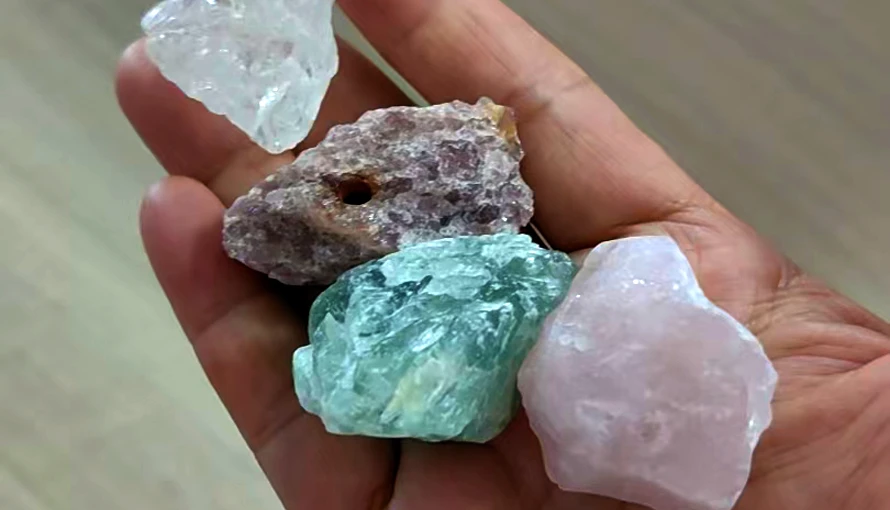
The Absence of Industry-Wide Standards
Unlike industries such as electronics or pharmaceuticals, where regulatory bodies enforce strict quality definitions, the jade and gemstone sector operates with minimal standardization. The Gemological Institute of America (GIA) provides grading systems for certain gemstones, but their protocols don’t translate directly to finished jade jewelry or crystal products. This vacuum of authority means every manufacturer develops their own internal standards, leading to wild variations in what different factories consider “acceptable quality.”
When a supplier tells you they produce “AAA-grade jade,” that classification is essentially meaningless without understanding their specific grading criteria. One factory’s AAA might be another’s B-grade. This linguistic ambiguity creates miscommunication that buyers discover only after products arrive. You thought you were ordering premium goods; the supplier thought they delivered exactly what their grading system promised. Both parties feel justified, yet the product sits in your warehouse, unsellable.
The Information Asymmetry Problem
Most jade and crystal buyers lack gemological training or manufacturing expertise. They’re skilled at marketing, brand building, or e-commerce operations—not at identifying treated stones, detecting structural weaknesses in carved pieces, or understanding the chemistry of surface finishes. Manufacturers are acutely aware of this knowledge gap, and while many operate ethically, the temptation to cut corners is always present when clients can’t distinguish between proper and shoddy workmanship.
This information asymmetry extends beyond material knowledge to manufacturing processes themselves. How should jade be cut to minimize internal stress? What polishing compounds are safe for long-term skin contact? How do you verify that dye treatments won’t leach chemicals or fade rapidly? Without technical expertise, buyers resort to trusting supplier representations, hoping that photos accurately represent quality and that promises about materials and processes reflect reality.
Cost Pressure and the Race to the Bottom
The global marketplace creates intense price competition that pushes manufacturers toward corner-cutting. When buyers compare quotes from ten factories and select primarily based on the lowest price, manufacturers face a stark choice: reduce quality to hit the price point, or lose the business to less scrupulous competitors. This dynamic creates a vicious cycle where quality-conscious manufacturers struggle to compete against those willing to use inferior materials, skip inspection steps, or misrepresent product specifications.
Many buyers inadvertently encourage this race to the bottom by prioritizing price over total cost of ownership. A jade pendant that costs $3 instead of $5 seems like smart procurement until you factor in the 25% defect rate, customer returns, damaged reputation, and time spent managing quality issues. The “cheap” option becomes expensive, but this lesson often requires painful firsthand experience before buyers adjust their sourcing philosophy.
The quality crisis in jade manufacturing isn’t primarily about bad actors trying to cheat clients, though such operators certainly exist. More often, it results from systematic problems: lack of standards, knowledge gaps, and misaligned incentives that make consistent quality extraordinarily difficult to achieve. Understanding these root causes is the first step toward breaking the cycle.
Material Authentication and Grading Verification
Every quality problem in jade and crystal manufacturing starts with the raw material. If the foundation is compromised—whether through material substitution, enhancement treatments that weren’t disclosed, or simply using lower-grade stones than specified—no amount of skilled craftsmanship can salvage the final product. Material authentication represents the most critical quality checkpoint, yet it’s also where buyers are most vulnerable to deception.

Understanding Jade Classification Systems
The term “jade” actually encompasses two distinct minerals: nephrite and jadeite. These materials have different physical properties, market values, and cultural associations. Jadeite, particularly the vivid green varieties from Myanmar, commands premium prices and is prized in Chinese culture. Nephrite, which includes the white and greenish stones from regions like British Columbia and Siberia, is generally less expensive but still valuable. Beyond this fundamental distinction, jade quality depends on factors including color intensity, translucency, texture, and the presence of inclusions or fractures.
The complexity deepens when you consider the various treatments applied to jade. Type A jade is completely natural, with no treatments beyond cutting and polishing. Type B jade has been chemically bleached and polymer-impregnated to improve clarity and fill fractures. Type C jade has been dyed to enhance or change color. Type B+C jade receives both treatments. Each type has legitimate market uses at appropriate price points, but selling treated jade as natural constitutes fraud that damages buyer trust and potentially exposes customers to undisclosed chemicals.
Testing Methods for Material Verification
Professional material authentication requires specialized equipment and expertise, but several practical verification methods exist for manufacturers and buyers willing to invest in quality assurance. Infrared spectroscopy can definitively identify whether a stone is nephrite, jadeite, or a jade simulant like serpentine or prehnite. This non-destructive testing method analyzes how the material absorbs infrared light, creating a signature pattern unique to each mineral type.
For detecting treatments, ultraviolet fluorescence examination reveals polymer impregnation commonly used in Type B jade. Under long-wave UV light, treated stones often display a chalky bluish-white fluorescence from the resin fillers, while natural jade shows minimal reaction. Similarly, examining the stone under magnification can reveal the webbed pattern of filled fractures characteristic of polymer treatment. These inspection techniques don’t require a gemological laboratory—many quality-focused manufacturers maintain in-house testing capabilities using equipment that costs less than the value of a single large order.
Documentation and Traceability
Material authentication extends beyond testing individual stones to maintaining documentation that establishes provenance and treatment history. Responsible manufacturers should provide material certifications from recognized gemological laboratories for high-value orders, particularly when dealing with jadeite. These certificates specify mineral type, treatments detected, and grading assessments that give buyers confidence they’re receiving what they paid for.
For crystal products, material verification focuses on ensuring the species is correctly identified and that any treatments are disclosed. The crystal market suffers from rampant mislabeling, where common quartz might be sold as rarer varieties, or heat-treated amethyst is presented as natural citrine. According to research published in the journal Gems & Gemology, misidentification rates in the retail crystal market can exceed 30% for certain stone types. Establishing material authenticity at the manufacturing stage prevents these errors from propagating to end customers.
The first checkpoint seems straightforward—verify you’re getting the material you ordered—but executing it consistently requires technical knowledge, testing infrastructure, and supplier relationships built on transparency rather than evasion. Buyers who master material authentication immediately elevate their quality floor, eliminating the most catastrophic defects before products even reach the manufacturing stage.
Structural Integrity and Durability Testing
A jade bangle might look flawless on the inspection table, display perfect color and translucency, and pass every material authentication test—yet shatter the first time a customer accidentally bumps it against a countertop. Structural integrity represents the hidden dimension of quality that becomes apparent only through use, and by then, the damage to your brand reputation is already done. This checkpoint addresses whether products can withstand real-world conditions rather than just appearing beautiful in controlled environments.

Understanding Stress Points in Jade and Crystal Products
Natural stone products contain inherent weaknesses that skilled manufacturers must navigate during design and production. Jade, despite its reputation for toughness, can develop microscopic fractures during cutting, drilling, or carving that compromise structural integrity. These stress fractures might be invisible to the naked eye immediately after manufacturing, but they propagate over time, especially when the piece experiences temperature fluctuations, impact, or the mechanical stress of daily wear.
The problem intensifies with certain product categories. Jade bangles, for instance, must be carved from a single piece of stone without joints or seams, creating a continuous ring that distributes stress evenly. However, the interior diameter must be large enough to slip over a hand, requiring the removal of substantial material and leaving relatively thin walls. If the manufacturer selects jade with hidden fractures or creates additional stress through improper carving techniques, the bangle becomes a time bomb waiting for the right trigger to catastrophically fail.
Crystal products face different structural challenges depending on their intended use. A crystal sphere designed purely for display can tolerate minor internal fractures that would be unacceptable in a pendant worn daily. Water bottles made from crystal materials must withstand thermal shock when filled with hot liquids, resist impact from being dropped, and maintain structural integrity despite repeated temperature cycling. Understanding these use-case-specific requirements and testing for them separates manufacturers who grasp product engineering from those simply replicating aesthetically pleasing forms without considering functionality.
Testing Protocols for Structural Soundness
Professional structural testing begins with visual inspection under controlled lighting and magnification. Experienced quality controllers examine each piece from multiple angles, using fiber-optic illumination to reveal internal fractures, stress lines, and structural discontinuities. This inspection isn’t a casual glance—it’s a systematic examination following protocols that specify what to look for, where stress points typically develop, and what degree of imperfection crosses from acceptable variation into defect territory.
Beyond visual inspection, physical testing methods verify that products can survive real-world use. Impact resistance testing involves controlled drops from specified heights onto different surface types, simulating the kinds of accidents products inevitably experience. For jewelry items, flex testing applies measured force to determine whether clasps, joints, or thin sections will bend or break under normal wear stresses. These tests don’t guarantee products will never break—natural stone has inherent limitations—but they establish baseline durability thresholds that separate fragile pieces from robust ones.
Thermal stress testing proves particularly important for functional products like crystal water bottles or jade facial rollers. These items experience rapid temperature changes during use, and materials expand and contract at different rates depending on their composition and structure. Quality manufacturers subject sample pieces to thermal cycling that mimics years of use compressed into days, revealing whether products will crack, separate at joints, or develop other thermal stress failures before they reach customers.
Design Considerations That Impact Durability
Structural integrity isn’t solely determined by material quality and testing—it fundamentally depends on thoughtful design that respects the limitations of natural stone. Thin sections, sharp corners, and unsupported overhangs create stress concentrators that make failure more likely regardless of material grade. Experienced designers understand these principles and create forms that balance aesthetic appeal with structural practicality.
The challenge for buyers lies in distinguishing between manufacturers who understand structural engineering and those who simply copy popular designs without grasping the underlying mechanics. A factory might produce beautiful jade carvings that precisely replicate reference images you provide, yet if they don’t recognize that certain design elements create unacceptable fragility, you’ll receive products that look right but fail catastrophically in use. This is why structural integrity testing must be paired with design review early in the product development process, not relegated to final inspection when problems are expensive to fix.
Surface Finish Quality and Consistency
The moment a customer touches your jade or crystal product, surface finish quality immediately communicates value. A perfectly smooth, glass-like polish signals luxury and attention to detail, while rough textures, visible tool marks, or inconsistent gloss suggest rushed manufacturing and corner-cutting. Surface finish affects not just aesthetics but also functionality—poorly finished pieces can have sharp edges that cause injury, rough textures that collect dirt and bacteria, or uneven surfaces that make products uncomfortable to wear or handle.
Polish Quality Standards Across Different Materials
Different jade and crystal materials accept polish differently based on their mineral structure and hardness. Jadeite, with its interlocking crystalline structure, can achieve an extraordinarily high polish that produces an almost glassy surface with depth and luster. Nephrite jade, composed of fibrous crystals, typically achieves a slightly more muted polish but should still feel completely smooth to the touch without detectable texture or grain. Crystals like quartz can take a brilliant polish, while softer materials like fluorite require gentler polishing techniques that achieve smoothness without eroding surface detail.
Quality surface finishing requires progression through multiple polishing stages, each using finer abrasives than the last. Manufacturers who skip intermediate steps to save time and labor create products with visible scratches, uneven gloss, or surface waviness that becomes apparent under proper lighting. The tell-tale sign of rushed polishing is inconsistency—high spots that catch light beautifully while recessed areas remain dull, or sections with mirror-like finish adjacent to areas with visible tool marks.
Professional surface quality inspection uses both visual assessment and tactile testing. The visual examination happens under controlled directional lighting that reveals surface irregularities invisible under diffuse illumination. Quality controllers literally feel each piece, running fingertips across surfaces to detect roughness, transitions, or texture that eyes might miss. This hands-on inspection mimics how customers will interact with products, ensuring that the tactile experience matches the visual promise.
Edge Treatment and Detail Preservation
Edges and transitions represent the most challenging aspects of surface finishing because they require balancing crispness with safety. A jade pendant might feature carved details with sharp, precise edges that define the design, but these edges must be slightly softened to prevent them from being uncomfortably sharp or prone to chipping. The skill lies in preserving design intent while ensuring products are comfortable and durable—a judgment call that separates experienced finishers from novices.
Many quality failures occur at edges and transitions because these areas are difficult to access with polishing tools and easy to over-work. An inexperienced polisher might round edges too aggressively, blurring carved details and making designs look soft and indistinct. Alternatively, they might leave edges sharp enough to catch clothing or scratch skin, creating products that are technically well-polished but functionally flawed. Quality manufacturers train their finishing staff to understand these nuances and develop the muscle memory to achieve consistent results across thousands of pieces.
Consistency Across Production Batches
Perhaps the most challenging aspect of surface finish quality is maintaining consistency across large production runs. The first hundred pieces might receive meticulous attention, achieving perfect polish and edge treatment, but as production pressure intensifies or worker fatigue sets in, quality can drift. A batch of supposedly identical jade beads might contain pieces with widely varying polish quality, creating visible inconsistency when assembled into finished jewelry.
Preventing this quality drift requires systematic monitoring throughout production, not just final inspection. Quality-focused manufacturers establish checkpoints where random samples are pulled from production lines and measured against reference standards. These in-process inspections catch problems early, allowing for process corrections before hundreds or thousands of pieces are affected. The alternative—discovering inconsistency only during final inspection—creates the painful choice between accepting substandard products or scrapping significant work.
Surface finish quality seems superficial compared to structural integrity or material authenticity, yet it’s often the quality dimension customers notice most immediately. A jade piece with minor internal inclusions might be perfectly acceptable if the surface finish is exquisite, while even flawless material with poor polish feels cheap and disappointing. This checkpoint deserves the same rigorous attention as more technically complex quality dimensions.
Dimensional Accuracy and Specification Compliance
Imagine ordering five thousand jade beads specified as 8mm diameter for a bracelet design, only to receive shipments ranging from 7.5mm to 8.7mm. Your production team can’t assemble consistent products, your packaging doesn’t fit properly, and your cost calculations are thrown off because you’re getting different quantities per strand than expected. Dimensional accuracy represents the unglamorous but absolutely critical checkpoint that determines whether products can be manufactured to consistent specifications or remain frustrating variables that complicate every aspect of your business.
Why Dimensional Precision Matters
In jewelry and accessory manufacturing, dimensional accuracy cascades through every subsequent production step. Beads that vary in size create necklaces and bracelets with irregular appearance and unpredictable finished lengths. Jade bangles that don’t meet specified interior diameters won’t fit customers properly, leading to returns and size exchange headaches. Crystal points intended to fit specific display bases or jewelry settings become unusable when their dimensions fall outside tolerance ranges.
The challenge in natural stone manufacturing is that dimensional precision conflicts with material yield optimization. A manufacturer can cut more beads from a piece of rough jade by varying sizes to maximize material usage, or they can maintain strict dimensional tolerances and accept lower yield. The economic incentive pulls toward size variation, which is why dimensional accuracy requires explicit specifications, verification systems, and often contractual commitments that align manufacturer incentives with buyer requirements.
Establishing Appropriate Tolerances
Not all dimensions require identical precision levels. A decorative jade sculpture’s exact length might vary by several millimeters without affecting functionality or aesthetics, while a jade insert designed to fit a specific bezel setting might need sub-millimeter accuracy. Quality specifications should reflect these practical realities by establishing different tolerance ranges for different dimensions based on their functional importance.
For mass-produced items like beads, calibrated sizes typically allow tolerances of plus or minus 0.5mm for dimensions under 10mm, and plus or minus 1mm for larger sizes. These tolerances balance manufacturing practicality with functional requirements—beads within these ranges can be assembled into consistent-looking finished products without visible size irregularities. Custom or high-precision applications might require tighter tolerances, but buyers should recognize that tighter tolerances increase manufacturing costs and reduce material yield, justified only when functional requirements genuinely demand that precision.
Measurement and Verification Systems
Dimensional verification requires proper measuring equipment and systematic sampling protocols. Digital calipers accurate to 0.01mm represent the minimum acceptable tool for dimensional quality control, though many manufacturers still rely on less precise methods that introduce measurement error on top of manufacturing variation. Quality control systems should specify not just what to measure but how many pieces to sample from each production batch, how to record measurements, and what statistical analysis to perform on collected data.
Statistical process control provides sophisticated tools for managing dimensional accuracy in high-volume production. Rather than simply measuring finished pieces and sorting them into accept or reject categories, process control analyzes measurement data to detect trends that indicate manufacturing processes are drifting out of specification. Early detection allows corrective action before significant quantities of out-of-spec product accumulate, reducing waste and improving overall quality consistency.
The practical challenge for buyers is verifying dimensional accuracy without inspecting every piece in a shipment, which would be prohibitively expensive and time-consuming. Statistically valid sampling plans balance inspection effort against risk tolerance, defining how many pieces to measure from batches of different sizes and what acceptance criteria to apply. These plans give buyers confidence that when sample measurements fall within specification, the entire batch likely complies with requirements.
Color Fastness and Chemical Safety Compliance
A jade pendant that’s perfect in every other dimension but bleeds green dye onto customers’ skin transforms from a beauty accessory into a liability nightmare. Color treatments, enhancement chemicals, and finishing compounds are common in jade and crystal manufacturing, and when applied properly and disclosed honestly, they serve legitimate purposes. The quality failure occurs when treatments aren’t stable—colors fade, chemicals leach, or surface coatings break down—exposing customers to cosmetic disappointment or potentially harmful chemical exposure.
Understanding Color Treatments and Their Stability
Natural jade and crystals display colors ranging from subtle earth tones to vibrant greens, purples, and blues, but market demand often exceeds the supply of naturally vivid colors. This demand-supply imbalance creates economic incentive for color enhancement through dyeing, heat treatment, irradiation, or surface coating. Each treatment method has different stability characteristics and different implications for long-term product performance.
Dyed jade, where colorant is introduced into the stone’s porous structure, can be quite stable if performed using quality dyes and proper techniques. However, poorly executed dyeing uses unstable colorants that fade with sun exposure, leach out with moisture contact, or migrate onto skin and clothing. The problem isn’t the treatment itself—disclosed dyed jade serves a legitimate market niche—but rather unstable treatments that create products whose appearance deteriorates rapidly or that transfer color to users.
Heat-treated crystals like citrine (often created by heating amethyst) or enhanced topaz demonstrate how treatment stability varies. Properly heat-treated stones maintain their induced color permanently under normal use conditions. However, some treatments create colors that fade when exposed to sunlight or heat, meaning a beautiful blue topaz pendant gradually loses its color enhancement over months of wear. Quality manufacturers test treatment stability before committing to production, while less scrupulous operators accept unstable treatments because they reduce immediate manufacturing costs, pushing problems onto buyers and end users.
Chemical Safety and Regulatory Compliance
Beyond color stability, chemical treatments raise safety concerns when products contact skin for extended periods or when components might be placed in mouths, as with crystal water bottles or jade facial tools. Polymer impregnation used to stabilize Type B jade introduces resin chemicals that theoretically could leach out over time. Surface coatings might contain heavy metals or other compounds that regulations restrict or prohibit in consumer products.
Different markets impose varying requirements for chemical safety testing and disclosure. The European Union’s REACH (Registration, Evaluation, Authorization, and Restriction of Chemicals) regulation, for instance, restricts certain substances in consumer products and requires testing to verify compliance. Similar regulations exist in California (Proposition 65), which requires warnings when products contain specified chemicals above threshold levels. Responsible manufacturers proactively test products against these regulatory requirements regardless of where buyers are located, recognizing that products often move across borders in the global marketplace.
The challenge for buyers is that chemical safety testing requires laboratory analysis that most don’t have capacity to perform themselves. This creates dependence on manufacturer representations about chemical compliance, which is why third-party testing certificates from recognized laboratories provide valuable verification. Quality manufacturers willingly provide these certificates because they’ve already invested in compliance testing; manufacturers who resist providing chemical safety documentation often do so because they haven’t actually performed the testing, knowing their products might fail.
Testing Protocols for Color Fastness
Color fastness testing exposes products to accelerated aging conditions that simulate years of real-world use compressed into days or weeks. Light fastness testing uses high-intensity UV lamps to simulate extended sun exposure, revealing whether colors will fade when jewelry is worn outdoors or displayed in sunny windows. Wash fastness testing subjects products to repeated contact with water, soap, and mild solvents, revealing whether dyes or surface treatments will leach out during normal cleaning or wear against sweaty skin.
Professional testing follows standardized protocols like those published by the American Association of Textile Chemists and Colorists (AATCC), adapted for hard goods applications. These standards specify exactly what light intensity to use, how long to expose samples, what temperature and pH to maintain in wash testing, and how to objectively measure color change using spectrophotometry rather than subjective visual assessment. Following standardized protocols ensures test results are reproducible and comparable across different testing sessions and laboratories.
For practical quality control in manufacturing environments, simplified field tests provide quick feedback without full laboratory analysis. The “rub test,” where a damp white cloth is rubbed vigorously against the product surface, reveals obvious color transfer problems. Sun exposure testing by placing samples in south-facing windows for several weeks catches most unstable color treatments. These simple tests won’t replace proper laboratory analysis for regulatory compliance, but they flag obvious problems before products ship.
Packaging Integrity and Product Protection
Your jade products survived material authentication, passed structural testing, received flawless surface finishing, met all dimensional specifications, and cleared chemical safety screening—then arrived at the customer’s doorstep shattered because inadequate packaging failed to protect them during shipping. Packaging represents the final manufacturing checkpoint before products enter the distribution chain, yet it’s often treated as an afterthought rather than an integral quality component. This oversight transforms perfect manufacturing into expensive failures.
Understanding the Complete Protection Requirements
Effective packaging must address multiple protection requirements simultaneously: physical impact during handling and shipping, environmental factors like humidity and temperature fluctuations, compression forces when boxes are stacked in warehouses and shipping containers, and vibration during transportation. Each protection dimension requires different packaging strategies, and comprehensive solutions integrate multiple protective elements into cohesive systems.
Physical impact protection typically involves cushioning materials that absorb shock and prevent products from contacting each other or hard package surfaces. Jade and crystal products are particularly vulnerable to impact damage because while jade is tough, it can crack or chip when struck at specific angles, and many crystals are relatively brittle. Individual wrapping of each piece in foam, bubble wrap, or formed protective inserts prevents the piece-to-piece contact that creates chips and scratches during shipping.
Environmental protection becomes critical for products with surface treatments or those shipped to regions with extreme climate conditions. Humidity can affect certain treatments or cause condensation that leads to water spots on polished surfaces. Temperature extremes might stress materials or affect adhesives used in composite products. Quality packaging includes moisture barriers, desiccant packets to control humidity, and insulating materials when shipping to very hot or cold destinations.
Packaging Design for Different Distribution Channels
The packaging requirements for a jade bracelet sold through your own e-commerce site differ dramatically from those for products distributed through Amazon fulfillment centers or shipped in bulk to wholesale customers. Direct-to-consumer e-commerce packaging prioritizes the unboxing experience—products should arrive in pristine condition inside packaging that enhances perceived value and creates social media-worthy presentation. This often involves multiple packaging layers: inner protective packaging, product presentation packaging, and outer shipping containers.
Amazon and similar marketplace distribution impose specific packaging requirements through their Frustration-Free Packaging program and shipping prep guidelines. Products must withstand the Amazon distribution network’s automated handling, which includes conveyor drops of up to three feet, package scanning that might involve rotation and tumbling, and stacking under weight that can exceed fifty pounds. Packaging that works perfectly for gentle parcel service delivery might fail catastrophically in the Amazon system, leading to customer complaints, damaged seller metrics, and potential account restrictions.
Wholesale and B2B distribution typically emphasizes protection and space efficiency over presentation aesthetics. Products might ship in bulk packaging designed to maximize container space utilization while maintaining adequate protection. However, buyers should verify that manufacturers understand the complete distribution chain—if wholesale products ultimately reach consumers through retail channels, the bulk packaging must be designed so retailers can easily repackage items for final sale without damage during the transfer process.
Testing and Validation of Packaging Systems
Professional packaging testing simulates the complete distribution journey products will experience from factory to customer. Drop testing involves packaging sample products in production-ready packaging, then dropping packages from specified heights onto different surfaces (flat, edge, corner) to verify that contents survive impacts. The International Safe Transit Association (ISTA) publishes standardized test procedures that specify drop heights and impact sequences based on package weight and expected distribution methods.
Compression testing simulates warehouse stacking by applying measured weight to packages for extended periods, verifying that packaging doesn’t collapse or deform in ways that allow products inside to shift and impact each other. Vibration testing uses mechanical shakers to simulate truck transportation, revealing whether packaging allows products to migrate within boxes or whether cushioning materials compress and lose protective capability during extended transport.
The most comprehensive validation involves shipping test packages through actual distribution networks, then evaluating product condition upon arrival. This real-world testing catches problems that laboratory simulations might miss, like how package handling differs between carriers or how customs inspection processes in different countries affect package integrity. Quality manufacturers perform this validation before committing to large-scale production, not after customer complaints reveal packaging failures.
Cost-Effective Protection Strategies
Buyers often resist investing in robust packaging because materials cost money and add dimensional weight that increases shipping costs. This resistance creates false economy thinking that optimizes for immediate packaging costs while ignoring the total cost of packaging failures: product damage, return shipping, customer service time, negative reviews, and lost customer lifetime value. The question isn’t whether to invest in quality packaging but how to design packaging that provides necessary protection at optimal cost.
Material selection significantly impacts packaging cost-effectiveness. Formed foam inserts provide excellent protection but cost substantially more than simple bubble wrap. However, for high-value jade items where a single damage incident costs more than packaging hundreds of units, the investment makes economic sense. Conversely, lower-value crystal products might use cost-effective packaging solutions like corrugated dividers and shredded paper fill that provide adequate protection without premium material costs.
Packaging design optimization can reduce costs while maintaining protection by eliminating wasted space, which reduces both material usage and dimensional shipping charges. Products packed in boxes sized appropriately for their contents with efficient cushioning systems use less material and cost less to ship than products rattling around in oversized boxes filled with excessive cushioning. This optimization requires actual engineering rather than grabbing whatever boxes are available and filling empty space with packing peanuts.
Final Inspection and Batch Consistency Verification
The seventh checkpoint represents the final quality gate before products leave the factory and the last opportunity to catch defects, inconsistencies, or specification deviations that escaped earlier inspection stages. Final inspection serves a dual purpose: verifying that individual products meet all quality standards and confirming that batch-to-batch consistency exists across production runs. Without this systematic final review, quality problems that could be caught and corrected at minimal cost instead become expensive customer-facing failures.
Comprehensive Final Inspection Protocols
Effective final inspection integrates all previous checkpoint elements into a systematic review process that examines every quality dimension. Inspectors verify material authenticity markers visible in finished products, confirm structural integrity through visual and tactile examination, assess surface finish quality under proper lighting, measure critical dimensions, verify color consistency and stability indicators, and evaluate packaging adequacy. This comprehensive approach prevents the common failure mode where products pass individual checkpoint tests but fail when examined holistically.
The inspection process must be systematic and documented, not a casual glance that rubber-stamps products for shipment. Quality manufacturers maintain detailed inspection checklists that specify exactly what to examine, what tools to use for measurement and assessment, what defects to look for in each product category, and what criteria determine pass versus fail outcomes. These checklists evolve based on defect data collected over time—if carved jade pieces frequently develop issues at specific design features, those features receive enhanced inspection attention in future production runs.
Inspection sampling strategies balance thoroughness against practical time and cost constraints. Inspecting every single piece in a five-thousand-unit order isn’t economically feasible for most products, yet sampling only a handful of pieces provides insufficient confidence in overall batch quality. Statistical sampling plans like those defined in international standards (ISO 2859, MIL-STD-105E) specify how many pieces to inspect from batches of different sizes and what acceptance criteria to apply based on desired quality confidence levels.
Managing Batch-to-Batch Consistency
Batch consistency represents a quality dimension often overlooked until inconsistency creates problems. A customer who loved the jade beads in their first order and returns to purchase more expects the second shipment to match the first in color, size, finish quality, and overall appearance. When subsequent batches differ noticeably—beads are slightly larger, colors shifted toward yellow instead of green, or surface finish isn’t quite as lustrous—customer satisfaction plummets even if the new batch meets all technical specifications.
Maintaining consistency requires manufacturers to retain reference samples from each production batch and compare new production against these references before approving shipment. This comparison catches subtle drift in color (perhaps raw material came from a different mine area), size (production equipment settings changed), or finish quality (different polishing operators have different standards). Catching these variations during final inspection allows correction before they reach customers who will definitely notice the differences.
The challenge intensifies when production spans multiple batches over extended time periods. Natural stone products inherently contain variation because material comes from different locations within mines, is extracted at different times, and possesses natural color and pattern variation that no amount of processing can completely eliminate. Quality manufacturers address this reality by establishing acceptable variation ranges based on reference standards rather than expecting absolute uniformity, and by clearly communicating these natural variation expectations to buyers during the sales process.
Documentation and Traceability Systems
Professional final inspection generates documentation that provides traceability throughout the supply chain. Inspection reports record what was examined, what measurements were taken, what defects were found and how they were resolved, who performed the inspection, and when it occurred. This documentation serves multiple purposes: it provides buyers with quality assurance evidence, creates accountability for inspection staff, and generates data for continuous quality improvement by revealing patterns in defect types and frequencies.
Photography plays an increasingly important role in quality documentation, particularly for custom or high-value orders. Final inspection photos showing products from multiple angles, detail shots of critical features, and packaging condition before shipment provide visual evidence of quality that reduces disputes when buyers claim products arrived different from what they ordered. Video documentation of inspection processes demonstrates the thoroughness of quality verification and can be shared with buyers who want transparency into quality control procedures.
Digital quality management systems increasingly replace paper-based inspection documentation, offering advantages in data accessibility, analysis capability, and long-term record retention. These systems allow quality controllers to record inspection results on tablets or smartphones, automatically calculate statistical measures from measurement data, flag out-of-specification results for immediate review, and maintain searchable databases of quality records accessible to buyers, suppliers, and internal teams. The investment in these systems pays dividends in improved quality consistency and reduced quality-related disputes.
The Real Cost of Skipping Quality Checkpoints
Understanding the seven quality checkpoints is valuable only if that knowledge translates into action—either by implementing these standards with current suppliers or by partnering with manufacturers who already follow rigorous quality protocols. To appreciate why this investment matters, we need to examine the actual costs businesses incur when quality failures occur and compare those costs against the investment required for proper quality control.
Direct Financial Losses from Quality Failures
Quality failures generate obvious direct costs that are easy to calculate but painful to experience. Product returns require reverse logistics costs—customers don’t pay return shipping, so you absorb those expenses along with original shipping costs, meaning a single defective product often generates double shipping expense before you even address the product itself. Refunding or replacing defective products represents pure loss on those transactions, converting what should have been profitable sales into expensive mistakes.
Beyond individual transaction losses, quality problems create inventory complications. Defective products returned to your warehouse can’t be resold, yet they’re not always complete losses. Some might be repairable, some could be sold as B-grade at deep discounts, and some are truly unusable. Managing this inventory—evaluating each piece, deciding disposition, storing repairable items until you accumulate enough to justify a repair batch—consumes warehouse space and management attention that could be focused on growing the business.
Supplier disputes over quality add another layer of direct costs. When you need to negotiate refunds, replacements, or quality improvements with manufacturers, you’re typically dealing with parties in different time zones who speak different languages and operate under different business norms. These negotiations consume enormous time from senior staff, often require translation services or third-party mediation, and may ultimately require legal involvement if disputes can’t be resolved amicably. The monetary costs are significant, but the opportunity cost of executive time consumed in quality firefighting might be even larger.
Brand Damage and Customer Lifetime Value Impact
The indirect costs of quality failures often exceed direct financial losses but prove harder to quantify precisely. Brand reputation, once damaged, requires extensive time and marketing investment to repair. A product category that accumulates negative reviews becomes nearly impossible to sell profitably on platforms like Amazon where ratings directly influence conversion rates and advertising costs. Recovering from poor ratings requires generating substantial positive reviews, which means selling many units at thin or negative margins to overcome the rating deficit created by quality failures.
Customer lifetime value erosion represents perhaps the largest quality-related cost but one that never appears on financial statements as a distinct line item. When a customer receives a defective product, even if you handle the return professionally and provide quick refund or replacement, that customer’s trust in your brand diminishes. They might complete the immediate transaction satisfactorily but rarely return for future purchases. Losing the repeat purchases, referrals, and expanding order sizes that characterize high-lifetime-value customers creates invisible but very real economic damage.
The challenge with brand damage costs is that they accumulate gradually and manifest in metrics like conversion rate decline, increased customer acquisition cost, or slowing repeat purchase rates rather than as obvious quality-related expenses. This invisibility allows businesses to underestimate the true cost of quality problems, focusing only on the visible returns and refunds while missing the larger pattern of damaged customer relationships and declining brand equity.
Operational Chaos and Team Morale
Quality problems create operational chaos that extends beyond finance into team effectiveness and morale. Customer service teams dealing with constant quality complaints become demoralized, knowing they’re defending substandard products and making excuses for predictable failures. This demoralization drives turnover in customer-facing roles, creating recruitment and training costs while losing institutional knowledge and customer relationships.
Product managers and procurement staff caught between demanding customers and unreliable suppliers experience similar morale damage. The job transforms from strategic work around product development and supplier relationships into constant firefighting—managing the latest quality crisis, negotiating with frustrated customers, and attempting to extract quality improvements from suppliers who resist taking responsibility. Talented staff eventually leave for organizations where they can focus on growth rather than damage control.
The opportunity cost of quality chaos might represent the largest but least visible impact. While your team manages quality problems, competitors with robust quality systems focus on product innovation, market expansion, and customer experience improvements. The gap between your company trapped in quality firefighting mode and competitors operating from a foundation of quality excellence widens quarterly, eventually creating competitive disadvantages that become difficult to overcome even if quality problems are eventually resolved.
How to Implement These Quality Standards
Understanding the seven quality checkpoints and appreciating why they matter creates awareness, but awareness without implementation changes nothing. Whether you choose to work with your current suppliers to raise standards or partner with manufacturers who already follow rigorous quality protocols, successful implementation requires systematic approaches rather than vague quality improvement wishes.
Option One: Elevating Current Supplier Standards
Many buyers prefer working with current suppliers if quality can be improved rather than undertaking the risk and effort of finding new manufacturing partners. This approach can succeed when suppliers are willing and capable of implementing higher standards, but it requires structured engagement rather than simply demanding “better quality” without specifics.
Begin by sharing the seven-checkpoint framework with your supplier as an educational foundation rather than a criticism of current practices. Frame the conversation around mutual benefit—you’re seeking to grow your business and increase order volumes, but quality inconsistency limits your growth. Position quality improvement as the path to a larger, more stable relationship that benefits both parties. This positive framing increases supplier receptiveness compared to adversarial approaches that trigger defensiveness.
Develop written quality specifications that translate the seven checkpoints into measurable standards specific to your products. Instead of requesting “high-quality jade beads,” specify acceptable material types, treatment disclosure requirements, dimensional tolerances, surface finish standards (perhaps including reference samples), and packaging requirements. These specifications should be detailed enough that both parties can objectively determine whether products meet standards, eliminating the subjectivity that creates quality disputes.
Establish inspection protocols and reporting requirements that verify supplier compliance with specifications. This might include requiring inspection reports with measurement data for each shipment, photographic documentation of random samples, or third-party inspection services at the factory before shipment. Initially, more intensive verification makes sense to build confidence; as the supplier demonstrates consistent compliance, inspection intensity can decrease while maintaining spot-check verification.
Option Two: Partnering with Quality-Focused Manufacturers
Some buyers conclude that their current suppliers lack either the capability or willingness to implement robust quality systems, making partnership with quality-focused manufacturers more practical than attempting to reform existing relationships. This path involves different challenges—finding suitable manufacturers, verifying their quality capabilities, and managing the transition—but can accelerate quality improvement when current relationships aren’t salvageable.
Evaluating potential manufacturing partners requires moving beyond marketing claims about quality to verify actual capabilities and practices. Request facility tours where you can observe production processes, quality control stations, testing equipment, and inspection procedures. Quality-focused manufacturers welcome these visits because their systems represent competitive advantages they’re proud to demonstrate. Manufacturers who resist facility visits or produce vague explanations about proprietary processes often lack the quality systems they claim.
Ask potential partners to explain their quality management systems in specific terms. What inspection checkpoints exist in their production flow? What equipment do they use for testing and measurement? How do they document quality data? What training do quality control staff receive? How do they handle identified defects? What continuous improvement processes exist for addressing recurring quality issues? Manufacturers with genuine quality systems can answer these questions specifically; those without systems offer generalities that sound impressive but lack substance.
Request samples evaluated against your specific quality requirements, including detailed documentation showing how the samples were tested against each checkpoint. This evaluation serves dual purposes: it demonstrates whether the manufacturer can actually meet your standards, and it reveals whether they understand and value thorough documentation. A manufacturer who delivers samples with comprehensive quality documentation demonstrates operational maturity that goes beyond their product quality.
Building Long-Term Quality Partnerships
Whether you choose to elevate current supplier standards or partner with new manufacturers, long-term quality excellence requires treating suppliers as strategic partners rather than interchangeable vendors selected primarily on price. This partnership approach involves transparency, communication, and mutual investment in quality systems that benefit both parties.
Share your quality data with suppliers including defect rates, customer feedback, and market requirements. This information helps manufacturers understand what quality means in your specific market context and where improvement efforts should focus. Many manufacturers operate somewhat blind to how their products perform in final use, so this feedback provides valuable insights that enable targeted improvements.
Invest in supplier capabilities when the relationship justifies it. This might involve providing training on quality techniques, sharing testing equipment or measurement tools, or collaborating on process improvements that enhance quality while reducing costs. These investments create switching costs that stabilize relationships while directly benefiting your product quality.
Establish regular quality review meetings where both parties examine quality metrics, discuss improvement opportunities, and celebrate successes. These structured touchpoints prevent quality from being discussed only when problems occur, creating positive engagement around continuous improvement rather than purely reactive firefighting. The regular cadence also allows for early detection of quality drift before it manifests in customer-facing problems.
Taking Your First Step Toward Quality Excellence
The journey from quality uncertainty to quality confidence doesn’t require perfect knowledge or unlimited resources—it requires commitment to systematic improvement and willingness to prioritize quality as a strategic advantage rather than merely a cost to be minimized. Your first step determines whether this knowledge transforms your business or remains interesting information that doesn’t translate into action.
Start with Assessment, Not Assumptions
Many businesses operate under quality assumptions that haven’t been verified: “Our supplier provides good quality,” “Our defect rate is acceptable,” “Quality problems are just part of doing business with natural materials.” These assumptions persist because they’re rarely tested against objective data. Your first quality improvement step is replacing assumptions with evidence through systematic assessment of your current state.
Conduct a thorough audit of your most recent shipments using the seven-checkpoint framework as your evaluation structure. Don’t rely on memory or impressions—actually examine products, measure critical dimensions, photograph surface finishes under good lighting, and test for the quality dimensions you’ve been assuming were adequate. This assessment often reveals surprising gaps between perceived quality and actual quality, providing specific improvement targets rather than vague quality enhancement wishes.
Calculate the actual cost of quality failures over the past quarter or year. Gather data on returns, refunds, customer service time spent on quality issues, inventory carrying costs for defective products, and supplier dispute time. Translate these factors into monetary values to understand what quality problems are actually costing your business. This financial analysis transforms quality from a subjective concern into a quantifiable business issue with clear return-on-investment potential for improvement efforts.
Implement One Checkpoint Thoroughly Before Adding More
The temptation when learning about comprehensive quality systems is attempting to implement everything simultaneously. This approach typically fails because it overwhelms both your team and your suppliers, creating complexity that prevents any single element from being executed well. Instead, select the checkpoint that addresses your most significant current pain point and implement it thoroughly before expanding to additional checkpoints.
If material authenticity is your primary concern because you’ve discovered treated stones being sold as natural, focus intensively on Checkpoint #1. Develop material verification protocols, acquire necessary testing equipment or relationships with testing laboratories, create documentation requirements for material certifications, and train your team to perform basic material authentication. Master this checkpoint until material verification becomes routine, then add the next checkpoint to your quality system.
This sequential implementation approach creates sustainable quality improvement rather than temporary quality initiatives that fade when attention shifts to other priorities. Each checkpoint you master becomes embedded in your standard operating procedures, building a quality foundation that supports addition of subsequent checkpoints without overwhelming your organizational capacity.
Demand Transparency and Documentation
Quality excellence requires transparency from manufacturers about their processes, materials, and quality practices. This transparency should manifest in documentation that provides evidence of quality control, not just promises. As you implement quality improvements, insist that your suppliers provide documentation supporting quality claims rather than accepting verbal assurances.
Request inspection reports with actual measurement data, not just checkboxes indicating “approved.” Ask for photographs documenting product condition at various production stages and before packaging. Require material certifications from recognized testing laboratories for high-value or regulated products. This documentation serves multiple purposes: it verifies quality claims, creates accountability for both parties, and provides evidence if disputes arise.
Manufacturers resistant to providing transparency and documentation often lack the quality systems they claim or worry that transparency will reveal quality shortcomings. While some reluctance might stem from confidentiality concerns about proprietary processes, quality verification documentation doesn’t typically reveal trade secrets—it simply confirms that products meet specified standards. Suppliers who refuse reasonable documentation requests are signaling that their quality claims may not withstand scrutiny.
Your Quality Journey Starts Now
The jade and crystal manufacturing industry doesn’t have to operate in the quality chaos that currently characterizes too much of the market. The seven checkpoints presented in this article—material authentication, structural integrity, surface finish, dimensional accuracy, color fastness and chemical safety, packaging integrity, and final inspection—provide a framework that transforms quality from wishful thinking into systematic reality.
You now possess knowledge that most jade and crystal buyers lack: specific understanding of what quality means in technical terms, how to verify quality claims, and what systems prevent quality failures. This knowledge advantage creates opportunity if you act on it, or remains merely interesting information if you don’t. The choice between these outcomes depends entirely on what you do next.
Quality excellence isn’t primarily about technical expertise or expensive testing equipment—it’s about commitment to systematic processes, insistence on transparency and documentation, and willingness to prioritize long-term quality over short-term cost savings. These are decisions within every buyer’s control regardless of business size or technical background. Small studio operations can demand quality documentation and implement basic verification protocols just as effectively as large corporations with dedicated quality departments.
The competitive landscape in jade and crystal products is shifting. Buyers who master quality control will capture premium market positions, build loyal customer bases, and operate businesses characterized by growth rather than firefighting. Those who continue operating without systematic quality approaches will find themselves increasingly unable to compete as quality-conscious competitors raise market standards and customer expectations.
Your first step toward quality excellence is straightforward: decide that quality will be a strategic priority rather than a hoped-for outcome. Make that decision today, then take concrete action—conduct the quality assessment, request documentation from your current supplier, or reach out to potential manufacturing partners who demonstrate quality system capabilities. Each action moves you from quality uncertainty toward quality confidence.
The jade and crystal products you source can pass all seven quality checkpoints consistently. The question is whether you’ll insist on it.
Frequently Asked Questions
Why does JADE MAGO emphasize “systematic” quality control?
In the jade and crystal industry, nearly 70% of shipments contain defects because quality is often treated as a subjective standard. At JADE MAGO, we have spent fifteen years transforming quality from a “hoped-for outcome” into a predictable result through our seven-checkpoint framework. This system provides specific, measurable, and transparent standards that eliminate the “quality chaos” typical of traditional factories.
What steps does JADE MAGO take to ensure products don’t break during use?
We focus on structural integrity through both design and physical testing. Our protocols include:
Visual Inspection: Using fiber-optic illumination to reveal hidden internal fractures.
Physical Testing: Controlled impact resistance tests and thermal stress testing to ensure products like crystal water bottles or jade rollers withstand real-world temperature changes.
Design Review: We evaluate designs early to eliminate thin sections or sharp corners that create unnecessary fragility.
How do you maintain consistency across large B2B production runs?
Batch consistency is managed through our seventh checkpoint: Final Inspection. We retain reference samples from every production batch to compare against new orders, catching any “quality drift” in color, size, or finish. Additionally, we use digital quality management systems to record measurements and flag any out-of-specification results for immediate correction.