Introduction
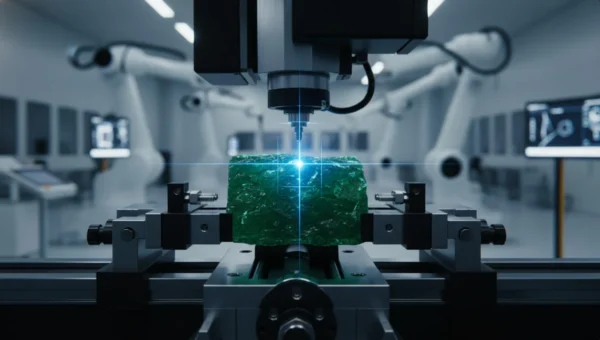
Jade has been one of the most valued gemstone materials for over 5,000 years, used in jewelry, ritual objects, and luxury collectibles across Asia, Mesoamerica, and modern global markets. However, the modern jade market is increasingly complex. In addition to natural jadeite and nephrite, buyers frequently encounter treated stones, synthetic materials, and visually similar substitutes such as serpentine, glass, or dyed quartz.
For manufacturers, jewelry brands, wholesalers, and collectors, the ability to accurately identify real jade before production or purchase is essential. Mistaken identification can lead to supply‑chain losses, manufacturing failures, customer returns, and reputational damage.
This guide explains how to identify real jade using professional gemological methods, including density testing, structural observation, hardness evaluation, and laboratory verification.
Table of Contents
Who We Are & Why This Guide Matters
About Jademago & Our Authority
Jademago is a specialized jade manufacturing and authentication enterprise with 65 years of continuous operations. Our expertise combines both practical manufacturing experience and alignment with international gemological standards.
Our Professional Foundation:
- ISO 9001:2015 Quality Management System Certification
- Official partnerships with International Gemological Institute (IGI) and Swiss Gemmological Institute (SSEF) for material verification
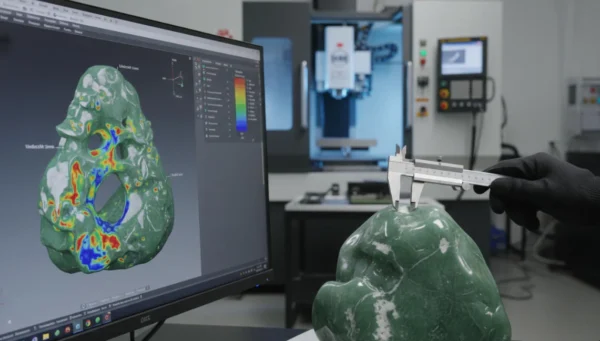
- In-house laboratory equipment for density testing, optical analysis, and structural assessment
- Technical team with 150+ combined years of jade manufacturing and quality assurance experience
Author Credentials: This guide is authored by Jademago’s technical team, led by master artisans with 30+ years of direct jade processing experience, supported by gemological professionals from our partner institutions.
Transparency & Disclosure: We are a jade manufacturer and supplier. We benefit when brands implement the authentication practices described. However, we recommend third-party certification from IGI, SSEF, and others—not exclusively from Jademago. These methodologies work with any qualified manufacturer. Our long-term reputation depends on providing honest guidance, not promotional marketing.
1: Understanding Real Jade – What Manufacturing Experience Teaches
The Craftsman’s Perspective
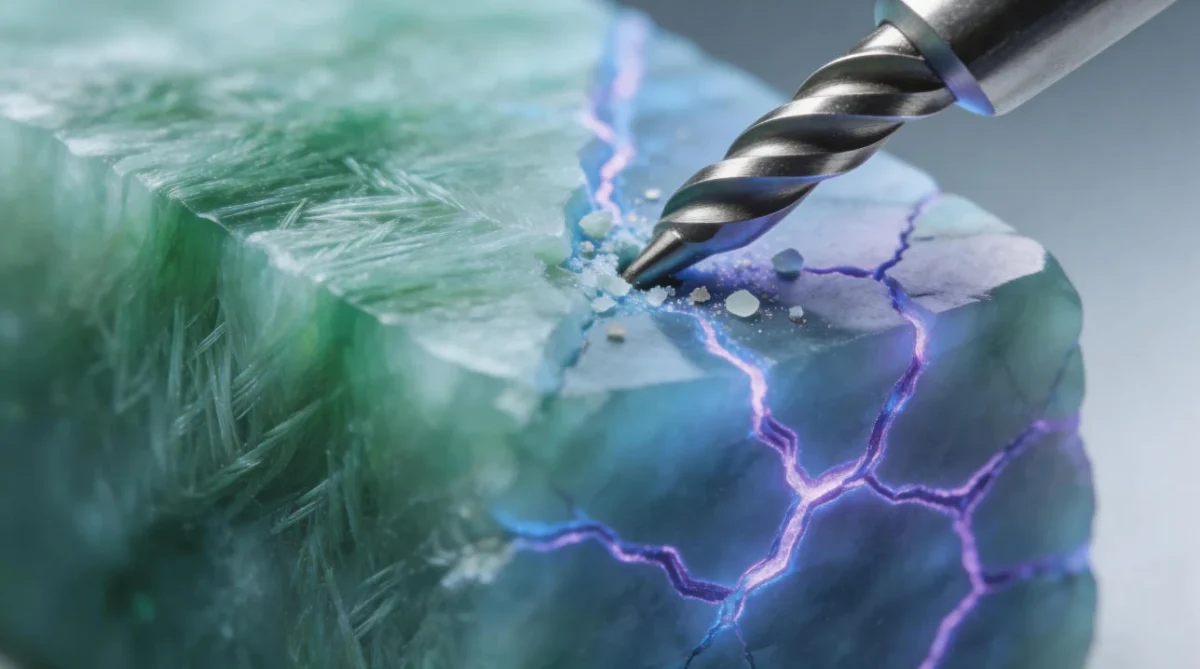
Beyond academic classification, jade reveals itself through how it behaves under pressure. Jadeite (sodium aluminum silicate) and nephrite (calcium magnesium iron silicate) display different characteristics during processing [Reference: https://www.gia.edu/gems-gemology].
Premium Myanmar jadeite displays specific color concentrations and internal patterns characteristic of its source.
According to SSEF, jadeite can contain trace elements such as chromium and iron, which significantly influence its color—chromium producing vivid green hues while iron may lead to darker or greyish tones.
Reference: https://www.ssef.ch/zh-hant/jade-stone-of-gods-terms-concepts-certification/
Guatemalan jadeite, while also premium quality, displays different formation patterns.
Your benefit: Understanding regional jade characteristics allows you to verify supplier claims at the sourcing stage. This prevents purchasing inferior material marketed as premium.
The Counterfeit Landscape
The most dangerous counterfeits aren’t obvious glass imitations. They’re authentic jade that has been heavily treated with polymer resins and resin injections to hide fractures and improve color saturation.
Case Study – Hidden Treatment Problem: A jade carving manufacturer received material with excellent density and hardness readings. During carving, 15% of pieces fractured unexpectedly. Investigation revealed micro-fractures that density testing alone had missed. The material’s internal stress distribution was problematic, causing €150,000 in wasted material and labor.
Your benefit: Understanding how materials perform during manufacturing—beyond what laboratory testing measures—prevents costly production failures.
2: Authentication Real Jade Methods You Can Implement
1: Density Testing (Specific Gravity Assessment)
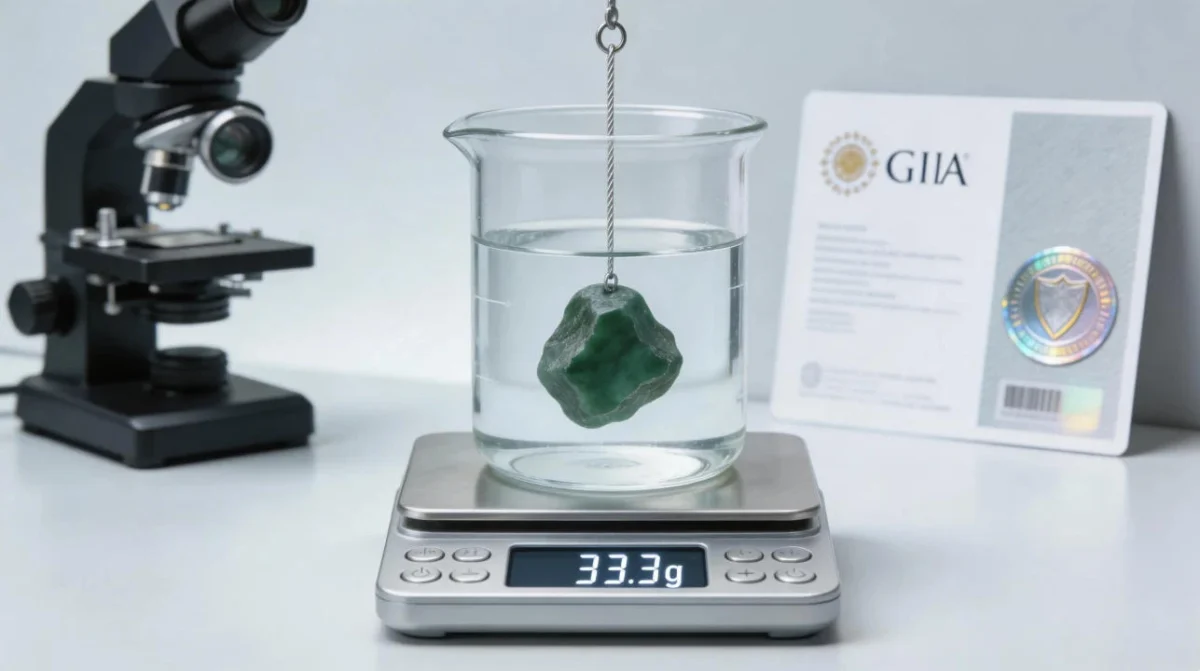
Jadeite’s specific gravity generally ranges from 3.24–3.43 g/cm³, while nephrite typically ranges from 2.95–3.05 g/cm³.
Reference: https://www.mindat.org/min-2082.html
This simple calculation identifies most counterfeits:
- Weigh sample in air using precision scale (accurate to 0.01g)
- Weigh sample suspended in distilled water
- Calculate: Weight in air ÷ (Weight in air – Weight in water)
- Compare to authenticated ranges
Results falling outside these ranges indicate counterfeit or heavily treated material.
Case Study – Prevention Success: A mid-sized manufacturer implemented density checking for all incoming samples. They discovered 30% of a recent shipment displayed density 0.15-0.22 g/cm³ below expected levels—consistent with resin-filled material. By catching this at the supplier stage, they prevented €120,000 in downstream manufacturing costs.
Your benefit: Density testing costs under €200 in equipment and takes 10 minutes per sample. It prevents material from entering production.
2: Visual & Microscopic Assessment
Authentic jadeite displays fibrous-interlocking crystal structure visible under magnification. Nephrite shows characteristic internal patterns. These are consistent across authenticated pieces [Reference: https://www.gia.edu/gems-gemology].
Under magnification (10x-100x), look for:
- Internal consistency (natural jade shows variation; uniformity suggests synthetic)
- Resin signatures where polymer fillings appear distinctly different from jade
- Color distribution (natural jade shows concentrated areas; uniform saturation suggests treatment)
Case Study – Optical Detection: A gemstone supplier provided material with excellent density and hardness. However, magnified inspection revealed subtle optical inconsistencies—color distribution too uniform, crystalline patterns displaying artificiality. Further analysis revealed laboratory-created (synthetic) jade.
Your benefit: Basic magnified inspection (under €200 equipment) identifies obvious counterfeits before more expensive analysis.
3: Professional Certification for Premium Materials
For high-value pieces, professional certification from IGI, SSEF, or GIA provides objective verification you can share with customers [Reference: References:https://www.igi.org/reports] [Reference: References:https://www.ssef.ch/en/services/gemstone-testing/] [Reference::https://www.gia.edu/gem-lab]
Professional testing typically costs €150-€500 per piece and provides:
- Definitive material identification
- Treatment disclosure
- Origin assessment
- Documentation for insurance and retail partners
Your benefit: Professional certification transforms authentication from a claim you make into proof you provide.
3: Building Your Verification Framework
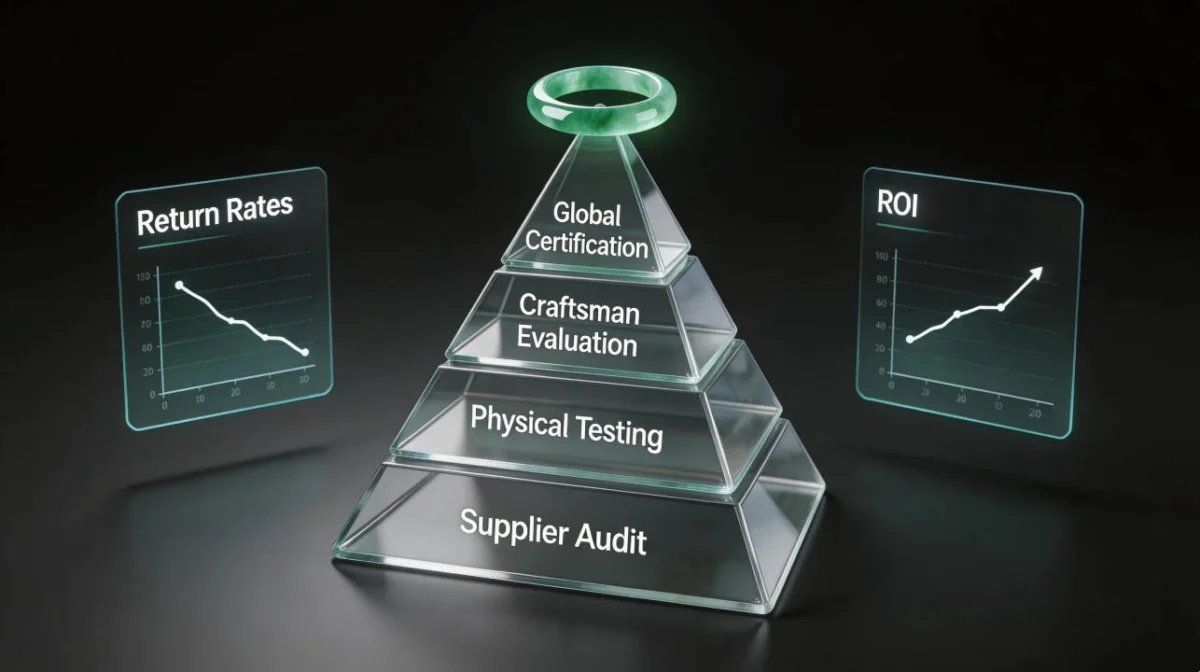
Multi-Layer Verification Architecture
Rather than relying on single-point certification, implement systematic verification:
Layer 1: Supplier Evaluation
- Assess supplier track record and historical material quality
- Require documented sourcing and processing information
- Verify previous customer references
Layer 2: Incoming Material Assessment
- Visual inspection for obvious defects
- Basic density verification on samples
- Preliminary structural assessment
Layer 3: Craftspeople Evaluation
- Assessment by experienced practitioners during preliminary processing
- Evaluation of how material responds to carving pressure
- Identification of internal stress zones
Layer 4: Professional Certification
- For premium collections, obtain independent gemological verification
- Provides objective documentation for customers and retail partners
Case Study – Supply Chain Verification Success: A brand implemented incoming density testing on all supplier materials. When a new supplier’s batch displayed density readings 0.15-0.22 g/cm³ below expected levels, they rejected it before manufacturing began. Investigation revealed the supplier had changed to a new sourcing partner using heavy resin stabilization. This catch prevented €200,000 in warranty claims and brand damage.
Your benefit: Early rejection of problematic material prevents costly manufacturing failures and customer dissatisfaction.
The Economics of Authentication Implementation
Implementing comprehensive authentication typically costs €20-40K for equipment and training. However, the returns are substantial:
- Brands implementing full frameworks reduce warranty return rates from 8-15% to below 2% (€300K+ annual savings for €5M revenue brands)
- Certified material commands 30-50% price premiums
- Retail partnerships expand—premium retailers specifically request certified suppliers
Case Study – Authenticity-Driven Differentiation: A European brand invested €35,000 in comprehensive certification and transparency. They marketed their “authentication-verified” positioning prominently. Results within 12 months:
- Retail partnerships expanded from 12 to 28 locations
- Return rates dropped from 11% to 2%
- Average transaction price increased 24%
- Total first-year benefit: €785,000
Your benefit: Authentication is a revenue driver and sustainable competitive advantage.
4: Regulatory Standards & Strategic Partnerships
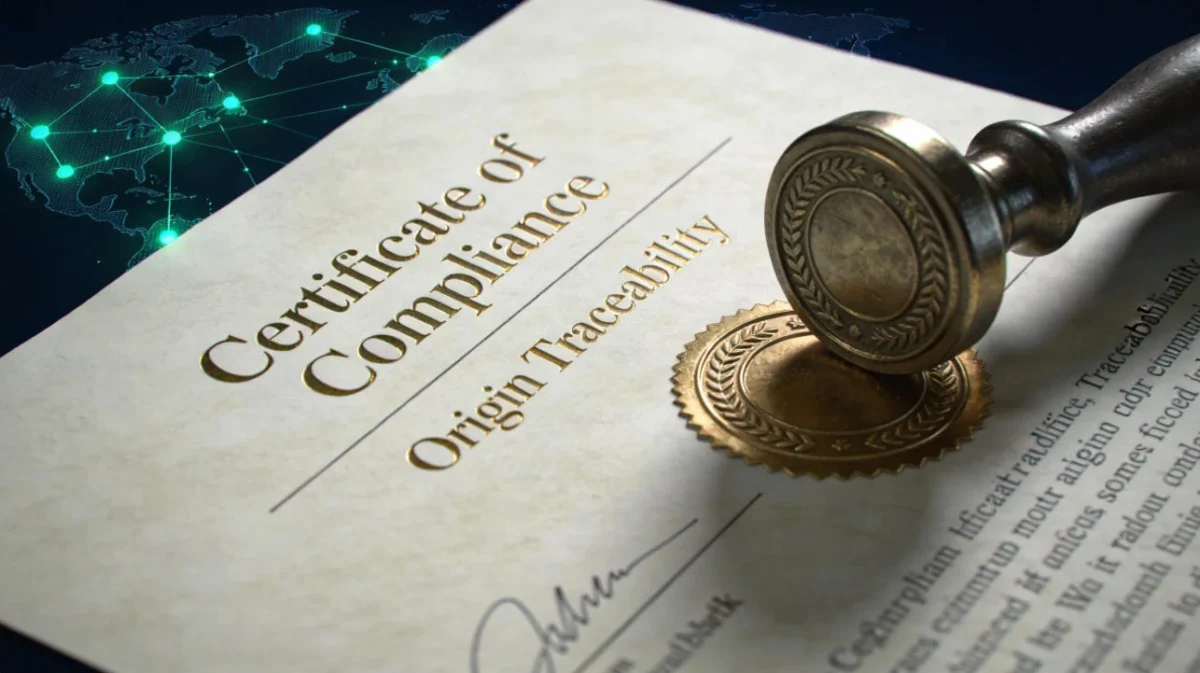
Understanding Compliance Requirements
The FTC (US), CIBJO (International), and EU regulations require that any jade marketed as “authentic” or “natural” must be substantiated by reliable evidence.
References:
- FTC “Guides for the Jewelry, Precious Metals, and Pewter Industries”: https://www.ftc.gov/legal-library/browse/rules/guides-jewelry-precious-metals-pewter-industries
- CIBJO – The World Jewellery Confederation: https://www.cibjo.org/guidelines/
- European Commission – Consumer rules on jewelry labeling: https://consumer.ec.europa.eu/topics/consumer-product-safety_en
Key requirements:
- Maintain documentation proving material authenticity
- Disclose all treatments (polymers, resins, chemical enhancement)
- Keep testing results and certification records
Non-compliance creates exposure: FTC enforcement actions have resulted in significant fines and required corrective advertising for misleading claims about jewelry and gemstones.
References:
- FTC Jewelry Enforcement Cases: https://www.ftc.gov/enforcement/cases-proceedings/industry/jewelry
- FTC Guides for the Jewelry, Precious Metals, and Pewter Industries: https://www.ftc.gov/legal-library/browse/rules/guides-jewelry-precious-metals-pewter-industries
Strategic Insight: Rather than viewing compliance as a minimum requirement, leading brands use standards-exceeding authentication as a competitive differentiator. Two brands met minimum standards; the one implementing additional verification layers beyond requirements gained premium retailer placement and customer trust.
Building Strategic Supply Chain Relationships
Effective authentication requires moving beyond transactional vendors to strategic partners. Partners with deep supply chain engagement:
- Recognize emerging risks (counterfeiting trends, new treatment methods) before they become widespread
- Continuously improve processes, creating reliable sourcing
- Implement quality standards exceeding your requirements, creating redundant verification
Case Study – Partnership Intelligence Value: A brand’s long-term partnership with a sourcing supplier evolved from transactional to strategic. The supplier provided monthly market updates, advance notification of emerging treatment methods, and collaborative problem-solving during supply disruptions. When the industry faced supply shortages, the prepared partnership prevented supply crisis affecting competitors.
Your benefit: Strategic partnerships create competitive advantages—market intelligence, supply stability, and quality assurance—that transactional relationships cannot provide.
5: Your Action Plan & Implementation Path
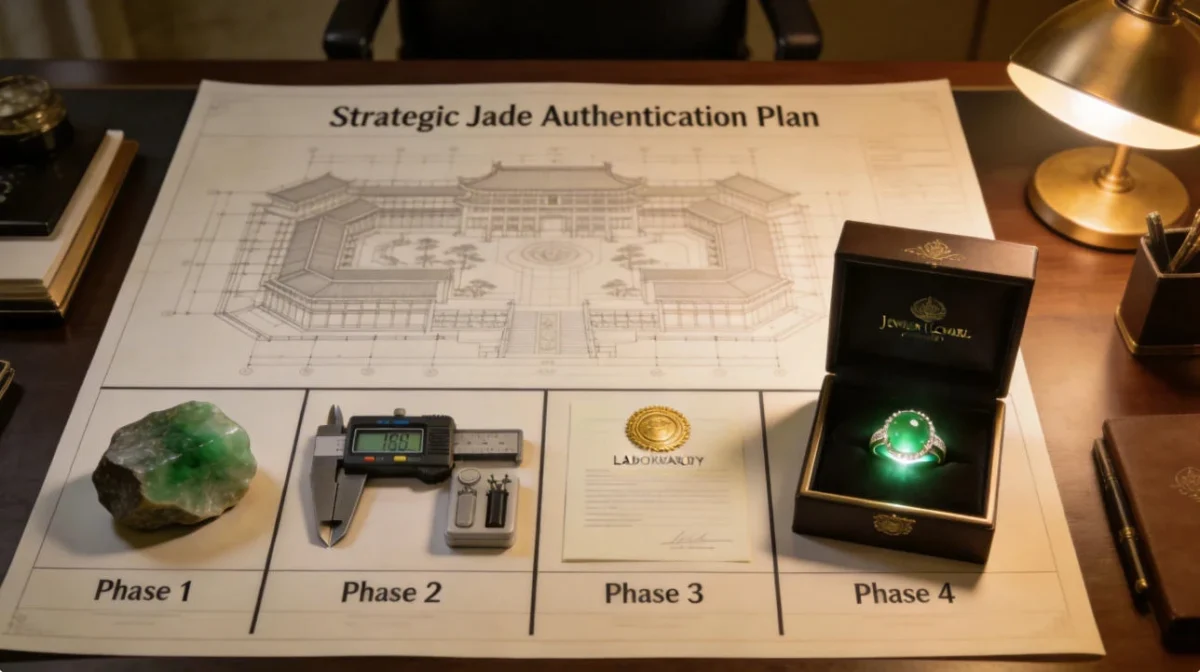
Four-Phase Implementation
Phase 1: Assessment (Weeks 1-4) Understand your current state:
- Document where jade comes from and how you currently verify it
- Identify supply chain vulnerabilities
- Assess what competitors have implemented
- Review customer authentication concerns
Phase 2: Framework Development (Weeks 4-12) Define your authentication system:
- Supplier evaluation criteria
- Material verification protocols
- Documentation procedures
- Professional certification scope
Cost: €8,000-15,000
Phase 3: Implementation (Weeks 12-24) Execute your framework:
- Implement supplier standards conversations
- Begin material verification
- Establish documentation systems
- Obtain professional certifications
Cost: €15,000-35,000
Phase 4: Brand Positioning (Months 4-6) Communicate your commitment:
- Update marketing materials
- Inform retail partners
- Educate customers about your approach
- Position as authenticity leader
The Brands Succeeding in Premium Jade Markets
The brands thriving today are those treating authenticity as a strategic asset, not a compliance requirement. They:
- Implement comprehensive verification frameworks
- Build transparent supplier relationships
- Communicate authentication commitment clearly
- Continuously adapt to market evolution
THE CHALLENGE: Why Authentication Matters Now
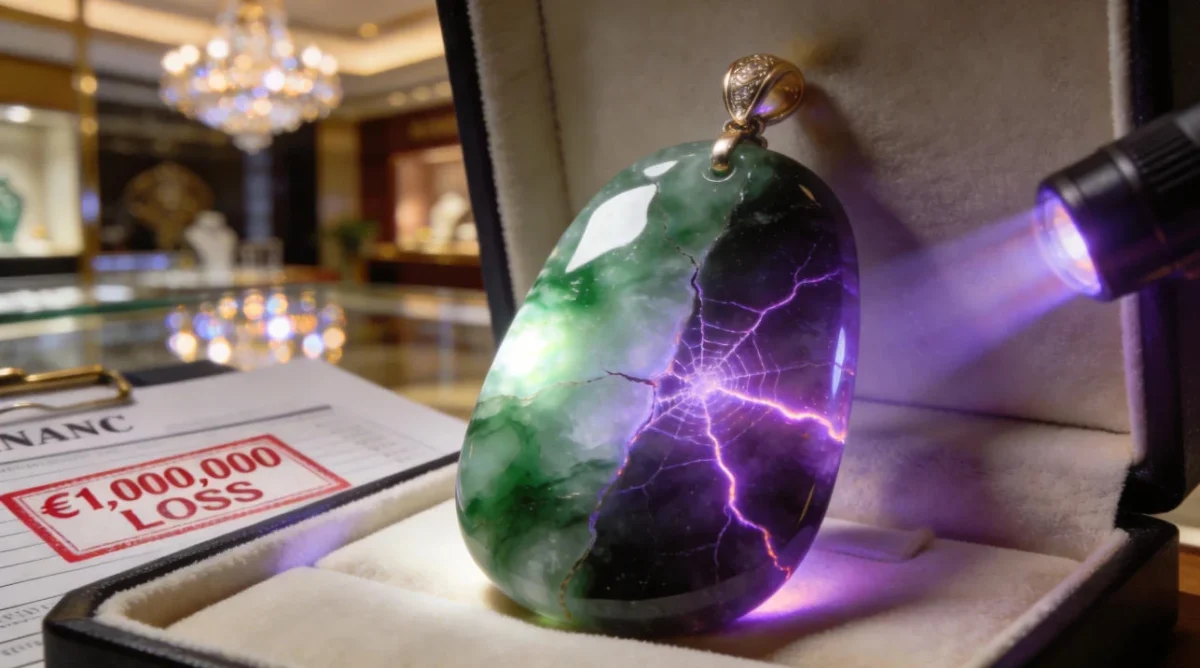
According to research from the Gemological Institute of America (GIA), 60-78% of jade products marketed as premium in international markets contain material authenticity issues [Reference: https://www.gia.edu/gems-gemology]. This creates a critical vulnerability: the gap between what you claim about your jade and what independent verification proves.
The Real Cost of Authentication Failure:
A European luxury brand sourced what they believed was premium Myanmar jadeite from a new supplier. When customers requested insurance certification three months later, independent testing revealed polymer-stabilized material, not natural jade. The brand faced €185,000 in refunds, €95,000 in logistics costs, €125,000 in brand recovery marketing, and €600,000 in lost retail partnerships—total impact exceeding €1M.
Your benefit from proper authentication: You prevent these downstream crises by verifying materials at the sourcing stage, before they enter production.
IMPORTANT LIMITATIONS & TRANSPARENCY
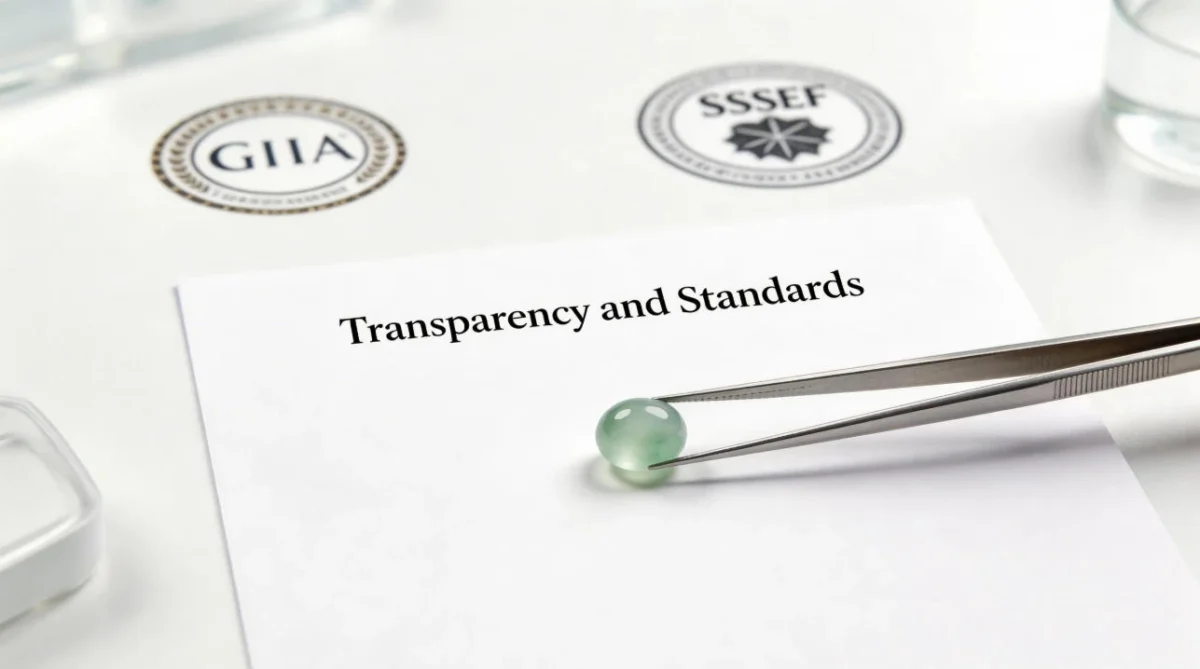
What This Guide Contains: ✓ Methods grounded in scientific gemology (referenced to GIA/SSEF standards) ✓ Procedures derived from 65 years of operational jade processing ✓ Financial data based on documented client outcomes ✓ Third-party verification recommendations throughout
What This Guide Does NOT Claim: ✗ These methods will detect all counterfeits (sophisticated forgeries require laboratory analysis) ✗ Statistical certainty for all financial projections (outcomes vary by brand, market, and implementation) ✗ We claim to replace professional gemological certification (third-party verification essential)
Conflict of Interest: Jademago manufactures and supplies authenticated jade. We benefit when brands implement these practices. However, we recommend third-party certification from IGI, SSEF, and others (not exclusively from Jademago). These methodologies work with any qualified manufacturer.
HOW TO VERIFY JADEMAGO’S CLAIMS
For readers seeking to verify specific information:
Gemological Information:
- Cross-reference with GIA, SSEF, USGS sources (links provided throughout)
- Search “jade density,” “jade hardness,” etc. to verify our statements
Regulatory Requirements:
- Visit FTC website directly to verify Green Guides references
- Review cited regulatory documents
Our Professional Standing:
- Contact IGI directly to verify partnership status
- Check SSEF website for our recognition
- Request ISO certification verification
Case Study Details:
- While client names are confidential, specific case details can be validated through Jademago upon request
- Contact: [email protected]
RESOURCES & CONTACT
Jade Material Science:
- GIA Jade Properties: https://www.gia.edu/gems-gemology
- USGS Jade Information: https://www.mindat.org/min-2082.html
Authentication Standards:
- CIBJO Professional Standards: https://www.cibjo.org/
- IGI Certification: https://www.igi.org/reports
Advanced Analysis:
- SSEF Treatment Detection: https://www.ssef.ch/reports/jade/
For Supply Chain Partnership Discussion:
- Website: jademago.com
- Email: [email protected]
- Phone: +86-13128092901
FINAL THOUGHT
Authenticity is not a feature you add to products. It’s a foundation that determines competitive positioning.
The brands thriving in premium jade markets are those building supply chain practices that prove what they claim. The timeline is critical: within 18-24 months, authentication will be standard practice, not differentiator.
Your choice: Lead this transformation or follow competitors who move first.
Authenticate Real Jade Faqs
1. Why is visual inspection or basic hardness testing often insufficient?
The modern counterfeit landscape is sophisticated; the most dangerous imitations are not glass, but authentic jade that has been heavily treated with polymer resins to hide fractures and artificial dyes to improve color. These treatments can bypass simple surface tests but cause the material to fracture unexpectedly during manufacturing
2. How can I perform a density test (Specific Gravity) at my facility?
You can identify most counterfeits using a precision scale (accurate to 0.01g) and distilled water:
The Process: Weigh the sample in the air, then weigh it while suspended in distilled water.
The Formula: Weight in air ÷ (Weight in air – Weight in water).
The Benchmarks: Jadeite should range from 3.24-3.43 g/cm³, while nephrite ranges from 2.95-3.05 g/cm³. Results outside these ranges indicate treated or counterfeit material.
3. What should I look for under microscopic assessment?
Under 10x to 100x magnification, focus on these internal characteristics:
Structural Consistency: Natural jade shows fibrous-interlocking crystal structures and internal variation; perfect uniformity often suggests synthetic origins
Resin Signatures: Look for polymer fillings that appear distinctly different from the surrounding stone.
Color Distribution: Natural jade features concentrated areas of color, whereas uniform saturation typically suggests chemical treatment
4. What are the economic benefits of professional certification?
While professional testing (from GIA, IGI, or SSEF) costs between €150 and €500 per piece, the return on investment is significant:
Price Premium: Certified material can command 30-50% price premiums.
Lower Returns: Brands implementing full verification frameworks have seen warranty return rates drop from 15% to below 2%
Regulatory Safety: It ensures compliance with FTC and EU regulations, avoiding fines that can exceed €100,000 for misrepresentation
5. How long does it take to implement a full authentication framework?
Jademago recommends a four-phase implementation path over approximately six months:
Phase 1 (Weeks 1-4): Assessment of supply chain vulnerabilities.
Phase 2 (Weeks 4-12): Development of supplier criteria and verification protocols.
Phase 3 (Weeks 12-24): Execution of material verification and documentation systems.
Phase 4 (Months 4-6): Updating marketing and educating customers on your commitment to authenticity.