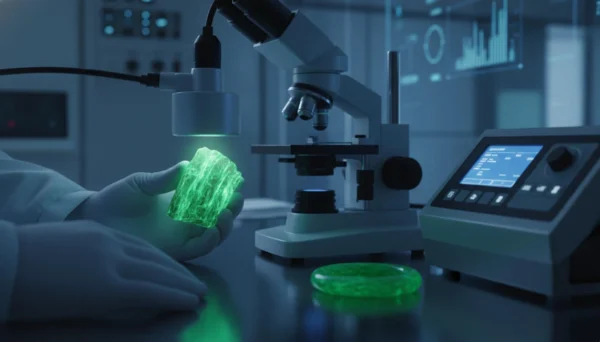
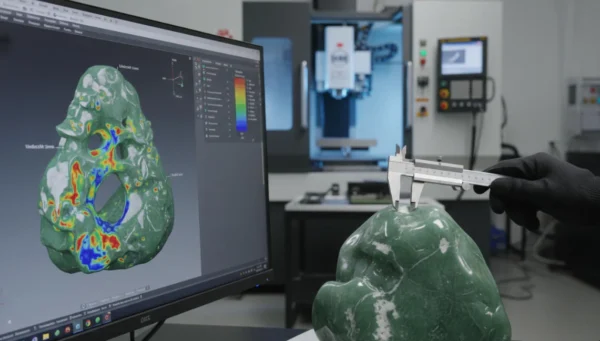
Here is the conclusion that six decades of sourcing, processing, and supplying jade to traders and brand buyers across global markets has consistently confirmed: the most expensive mistake in jade wholesale is not overpaying per kilogram — it is purchasing authentic real jade from a producing region whose material profile is fundamentally mismatched to your target buyer’s cultural expectations.
A trader who sources genuine British Columbia nephrite and attempts to position it in an East Asian luxury gifting channel will not fail because the stone is counterfeit. They will fail because the stone is real but commercially irrelevant to the buyer standing in front of it. That distinction costs more in unsold inventory, forced markdowns, and damaged channel relationships than a straightforward fraud problem, because there is no simple fix for a product that is authentic but wrong.
Over 65 years of direct procurement from Myanmar, China, Canada, Russia, and Guatemala, we have documented the commercial patterns that determine whether an origin-sourcing decision generates sustainable margin or chronic inventory problems. Mid-grade Burmese jadeite trades at $500–$2,000 per kilogram. Mid-grade Hetian jade moves at $200–$8,000 per kilogram. Mid-grade Canadian nephrite trades at $50–$2,000 per kilogram. These are not interchangeable options at different price points — they are fundamentally different commercial propositions serving fundamentally different buyer motivations. Understanding where to find jade that matches your specific commercial objectives starts with understanding what each producing region actually delivers when its material reaches a production floor, not just what it looks like in a wholesale catalog.
Table of Contents
What “Real Jade” Means for Traders — And the Authentication Failures We See Most Often
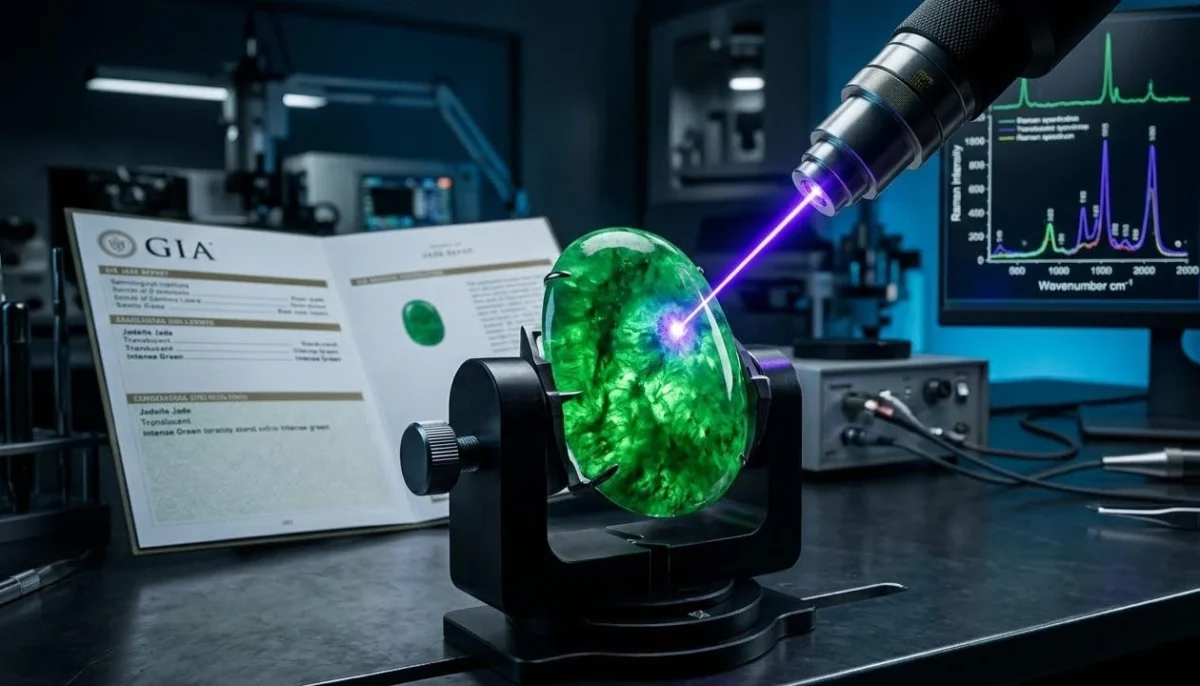
The Two-Mineral Definition That Determines Your Legal Exposure
The legal and commercial definition of real jade is the foundation of every product claim you make. According to the Gemological Institute of America (GIA), only two minerals qualify as genuine jade under international gemological standards: jadeite (pyroxene-group mineral, Mohs hardness 6.5–7, sourced primarily from Myanmar and Guatemala) and nephrite (amphibole-group mineral, Mohs hardness 6–6.5, sourced primarily from China, Canada, and Russia). Every other stone marketed under the jade label — serpentine, aventurine, quartzite — is a simulant that creates legal exposure for resellers in every market with material disclosure requirements. The US Federal Trade Commission’s jewelry guidelines require accurate material disclosure, and misrepresentation creates liability that extends to the reseller, not just the original jade supplier.
The jadeite vs. nephrite distinction matters for reasons beyond gemological accuracy. These two minerals serve different end markets, carry different cultural narratives, and attract different buyer profiles. A jade wholesale catalog that conflates them creates buyer confusion that manifests as returns, pricing disputes, and channel relationship damage. Before you buy jade wholesale from any jade supplier, you need confirmed mineral identity — not a verbal classification, but documented mineralogical verification.
From the Production Floor: The Treatment Fraud Rate We Actually Observe
The SSEF Swiss Gemmological Institute classifies jadeite treatment into three categories: Type A (natural, untreated), Type B (bleached and polymer-impregnated — valued at 20–30% of equivalent Type A material), and Type C (dyed). In batches sourced through non-verified multi-tier wholesale channels, we detect Type B treatment in 30–45% of pieces in the mid-translucency grade range. In batches sourced through verified, direct-relationship supply chains, that detection rate drops to under 8%. If you purchase 100 pieces as Type A natural jadeite and 35 are Type B on laboratory testing, you have overpaid for 35% of your inventory at a premium the market will not validate at resale.
Building a three-level authentication protocol into your procurement process — supplier qualification, batch-level laboratory sampling at 10% of batch, and individual GIA or SSEF certification for high-value pieces — is not cautious risk management. It is the minimum operational standard for a jade wholesale business whose downstream reputation depends on the accuracy of its product claims.
Why Origin Traceability Is Now a Market Access Requirement
Premium retail channels, branded jewelry accounts, and major e-commerce platforms are implementing supplier qualification standards that treat jade origin certification as a baseline commercial requirement. The traders most exposed to the consequences of this shift are those who have built product lines on undocumented material and will face forced supply chain reconstruction under competitive pressure. The investment in origin traceability you make today determines which distribution channels your business can access in three to five years — when the documentation standards that premium channels are currently implementing become the baseline expectation across the broader jade wholesale market.
Myanmar Jade — The Benchmark Every Jadeite Buyer Must Understand
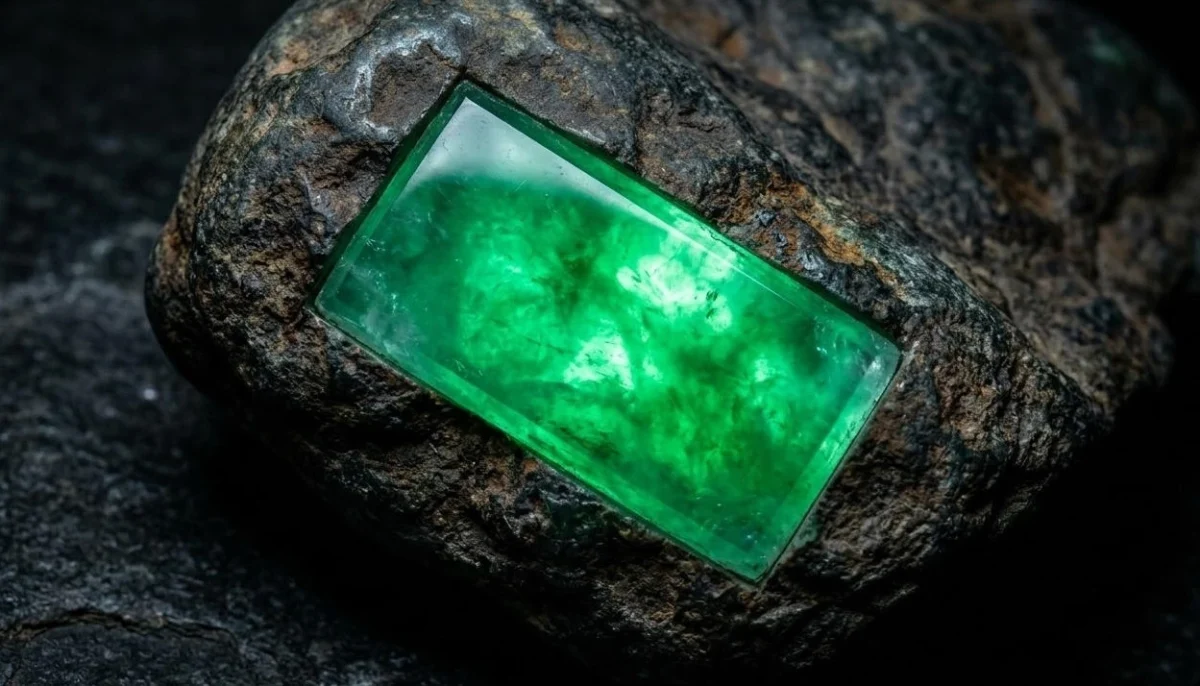
What 95% Market Concentration Means for Your Cost Model
Myanmar controls 95% of global jadeite supply, with the Hpakant mining region producing between 35,000–50,000 metric tons annually. Every price benchmark, every quality reference point, and every buyer expectation in global jadeite markets is calibrated against Burmese material. Mid-grade Myanmar jade trades at $500–$2,000 per kilogram — establishing the benchmark against which all competing jadeite sources are evaluated. For traders asking where to find jade for a premium jewelry product line, Myanmar is the starting answer — not because it is the only option, but because it is the market from which all jadeite pricing logic originates.
From the Production Floor: The Grade Inflation Problem in Wholesale Channels
The most commercially significant production-floor observation about Myanmar jade is the gap between stated and verified translucency grade in material sourced through multi-tier wholesale channels. In our experience, approximately 40–55% of material described as Ice-grade (冰种) by wholesale suppliers grades as Glutinous (糯种) or lower under standardized production lighting. The wholesale value difference between Ice-grade and Glutinous-grade material is typically 60–120% per kilogram — meaning a trader paying Ice-grade prices for Glutinous-grade material has systematically overpaid before a single piece is sold. The SSEF Swiss Gemmological Institute has documented translucency as the single most statistically significant predictor of jadeite market price — which means translucency assessment must precede color grading in your procurement evaluation, not follow it.
For wholesale jade bracelet production specifically, Ice-grade material in our production facilities achieves consistent bangle wall tolerances of 3.5–4.5mm, while Glutinous-grade material generates a fracture rate at sub-5mm wall thickness that increases per-unit cost by 18–25%. Glass-grade (玻璃种) material achieves a finished-piece yield of 55–65% by weight from calibrated rough — counterintuitively better than lower-grade material, where internal fractures visible only under production conditions reduce effective yield to 35–45% despite the lower procurement price.
The 3 Procurement Errors That Destroy Myanmar Jade Margins
The first error is purchasing based on catalog photography, which systematically misrepresents jadeite translucency through directional lighting and contrast enhancement. Any jade supplier unwilling to provide physical samples for a purchase above a defined value threshold is presenting product claims you cannot independently verify.
The second error is sourcing without verified Type A treatment status documentation — the 30–45% Type B detection rate in unverified wholesale channels is concentrated specifically in the Ice-to-Glutinous range where most commercial wholesale jade jewelry volume sits.
The third error is treating Myanmar origin as a marketing claim rather than a verifiable documentary fact. For any jade wholesale purchase where Myanmar origin is a component of your retail pricing story, a GIA or SSEF origin determination certificate is the minimum documentation standard. This means that building a wholesale jade jewelry line around Myanmar jadeite without origin certificates is constructing a brand narrative your own supply chain cannot substantiate.
Myanmar jadeite serves premium jewelry retail, authenticated luxury e-commerce, private collector sales, and high-end corporate gifting programs — channels where provenance can be communicated in full and buyers have the sophistication to value it. Discount retail and commodity wholesale channels cannot capture the Myanmar premium, and the certification overhead required makes the economics unviable in those channels.
Chinese Jade — Why Hetian Nephrite’s Cultural Premium Is Also Its Biggest Fraud Risk
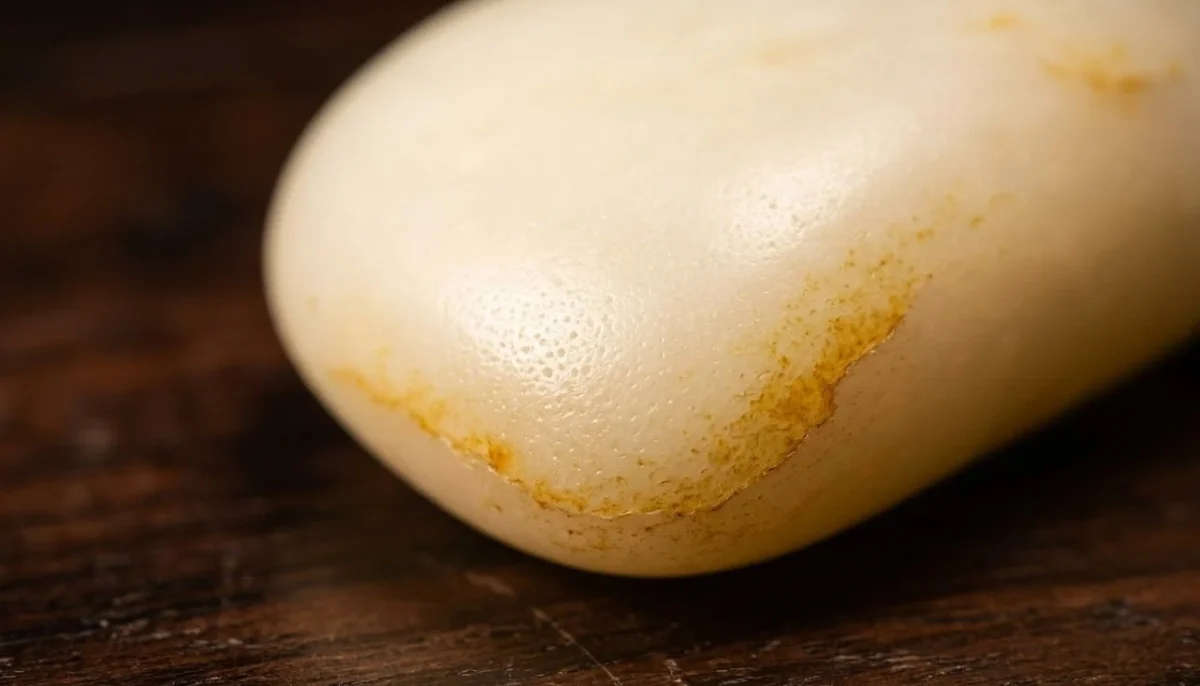
The Cultural Infrastructure Behind a $8,000-Per-Kilogram Material
Chinese jade — specifically white nephrite from the Hetian region — does not command its market position through gemological rarity alone. It holds that position because it occupies the center of a cultural value system with over three thousand years of continuous authority in the world’s largest jade consumer market. The imperial seal (玉玺), the supreme object of dynastic political authority, was carved from white nephrite. That historical fact is the foundation of a cultural premium that continues to operate as a live pricing variable in contemporary East Asian jade wholesale markets.
Mid-grade Hetian jade trades at $200–$8,000 per kilogram, and top-grade certified river pebble material (籽料) has achieved auction prices tracked by major auction houses that place it, gram for gram, among the most expensive gem materials globally.
From the Production Floor: The 45–65% Hetian Mislabeling Rate
The most widespread fraud in Chinese jade wholesale is Qinghai nephrite mislabeled as Xinjiang Hetian material. Hetian jade is characterized by an exceptionally fine-grained tremolite microstructure that produces the hallmark “mutton fat” luster (羊脂光泽) — a warm, deeply greasy surface sheen that the International Gem Society (IGS) documents as a structural consequence of crystal grain sizes among the smallest measured in any commercial nephrite deposit globally. Qinghai nephrite has larger crystal grain sizes producing a cooler, grayish color tone and higher translucency — a characteristic uninformed buyers misread as superior quality, but which experienced professionals recognize as the opposite of the microstructural density that defines Hetian value.
The price gap between these two materials — Qinghai nephrite typically trading at 20–40% of equivalent-weight Hetian material — is the profit margin that misrepresentation captures at your expense. In batches of white nephrite received from traders sourcing through standard multi-tier jade wholesale channels, we find that between 45–65% of material labeled as Xinjiang Hetian does not achieve Hetian origin confirmation on production-stage assessment. In batches sourced through verified direct-origin supply chains with laboratory confirmation at procurement, the mislabeling rate drops to under 10%. Additionally, artificial skin (皮色) — used to represent mountain quarry material as higher-value river pebble — is present in approximately 30–40% of material claimed to be river pebble in unverified wholesale channels.
The SSEF Swiss Gemmological Institute and GIA both offer nephrite origin determination services distinguishing Xinjiang from Qinghai material on the basis of trace element chemistry — analytical methods that no visual inspection can replicate.
The Scarcity Premium: Supply Data Every Buyer Needs to Know
Environmental controls on Xinjiang nephrite extraction have progressively tightened since the early 2000s, with river pebble collection now subject to seasonal prohibitions, annual quotas, and permanent restrictions in designated conservation zones. Certified Hetian white nephrite has increased in average price by over 300% over the past fifteen years. For traders building Hetian jade product lines, the scarcity narrative is your most powerful retail tool — but only if your inventory can support it with laboratory-confirmed documentation.
A certified Hetian river pebble piece with documented Xinjiang origin and Type A treatment status can be presented with a fully factual scarcity narrative that sophisticated buyers can independently verify. An uncertified piece claiming Hetian origin carries that narrative only with buyers who cannot check — an increasingly narrow and commercially unstable buyer segment.
In East Asian distribution channels, the cultural premium is self-evident to buyers with cultural familiarity — your task is authentication credibility, not premium justification. In Western channels, the premium must be actively constructed through the material’s documented imperial history, the Confucian philosophical tradition, and the regulatory scarcity story — paired with laboratory certification that makes both claims verifiable.
Canadian Nephrite — The Most Mispositioned Material in Jade Wholesale
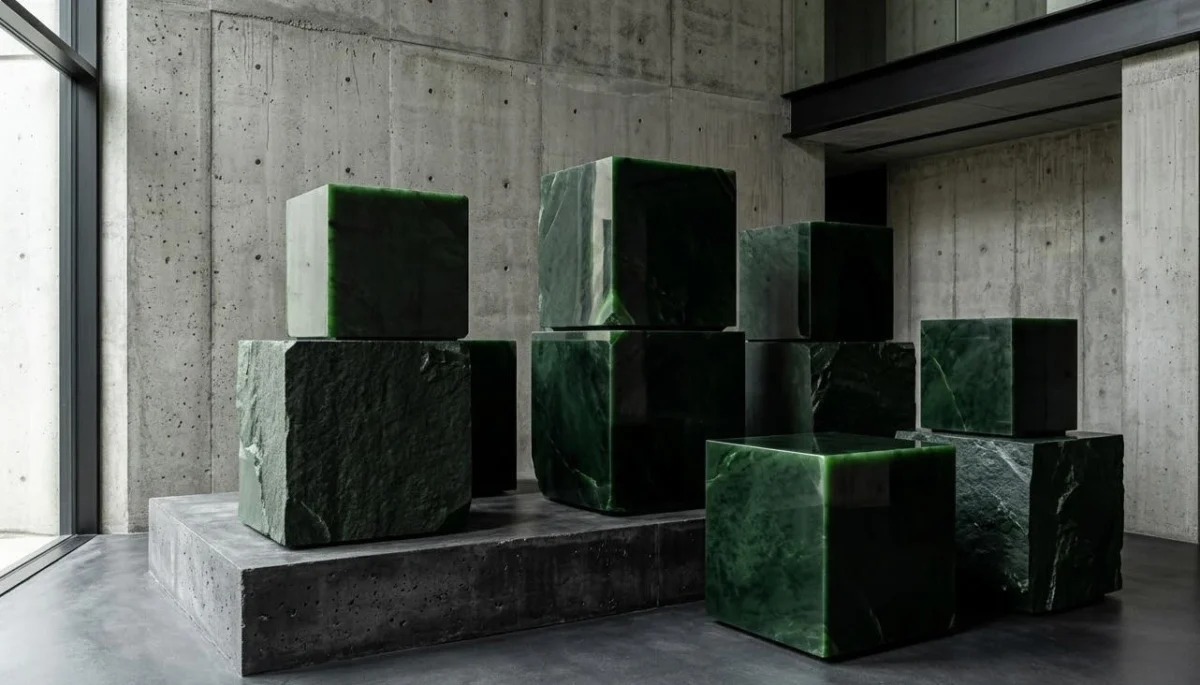
Why Most Traders Get Canadian Nephrite Wrong
Canadian nephrite generates the most consistent pattern of commercial mishandling in the jade wholesale market — not because the material is difficult to source, but because traders apply the wrong positioning framework to it. In 65 years of processing nephrite from multiple origins, we observe three recurring errors: dismissal (treating the material as inferior and undervaluing it), mislabeling (misrepresenting it as Chinese jade to capture a premium it cannot support), and channel mismatch (stocking it in East Asian-oriented channels where its deep green opacity generates comparison-based disappointment against Hetian and Burmese benchmarks). All three errors share a single root cause — the absence of an accurate understanding of which buyers this material actually serves.
British Columbia nephrite production is estimated at 300–400 metric tons annually, with mid-grade material trading at $50–$2,000 per kilogram. The Gemological Institute of America (GIA) identifies nephrite as among the toughest natural ornamental stones in commercial use. British Columbia material consistently delivers fracture-free blocks of 50–100+ kilograms — commercially unavailable in any other jade category — making it the only jade material that can physically fulfill large-format architectural and decorative specifications at a commercially viable cost.
From the Production Floor: The Yield Advantage That Price Comparisons Miss
Canadian nephrite batches from verified British Columbia processors show an effective yield of 72–82% by weight from calibrated rough to finished decorative pieces — significantly higher than the 55–65% typical of premium jadeite bangle production and the 60–70% typical of Hetian nephrite carving programs. Roughing stage material removal rates for British Columbia nephrite run at approximately 35–45% faster than equivalent operations on Hetian jade material of comparable block size, reducing labor-hours-per-kilogram in high-volume carving operations. A Canadian nephrite program at $200/kg with 78% average yield produces a lower per-finished-unit material cost than a Myanmar jade program at $800/kg with 58% yield at equivalent finished piece dimensions — a cost relationship invisible in catalog price comparisons but visible in every production invoice.
In over 65 years of processing Canadian nephrite from British Columbia sources, our production facilities have not encountered a single confirmed case of polymer impregnation or bleaching treatment in material sourced directly from verified processors. This treatment-clean profile means that “natural jade” product labeling satisfies the Federal Trade Commission’s jewelry guidelines and EU disclosure requirements with supplier-level documentation — without the per-piece laboratory certification overhead required for jadeite and Hetian nephrite. This compliance simplicity directly contributes to margin without compromising material authenticity.
The primary buyer for Canadian nephrite is a consumer or institutional buyer whose aesthetic framework is shaped by Western rather than East Asian design traditions — Western luxury homeware buyers, contemporary jewelry designers working with deep green stones as color anchors, corporate gifting programs serving North American or European clients, and retailers positioning around natural materials and Western artisan traditions. For traders serving these buyer profiles, Canadian nephrite is not a compromise material — it is the correct specification.
Russian Siberian Nephrite and Guatemalan Jadeite — Two Niche Origins With Distinct Opportunities
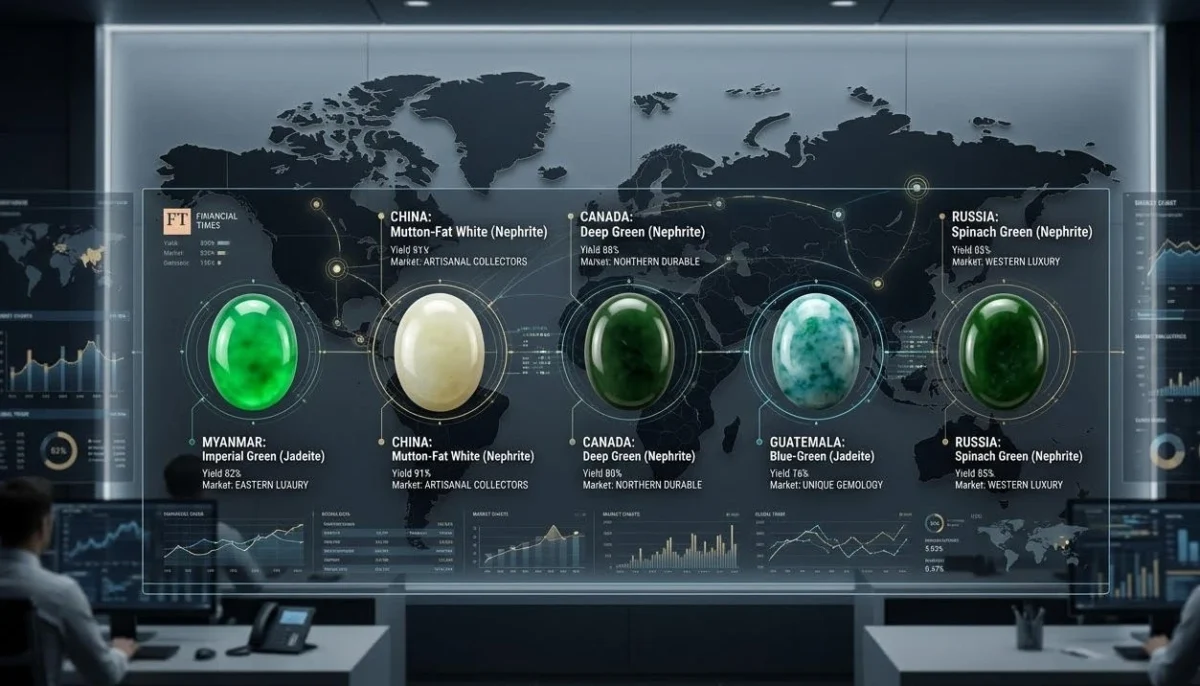
Russian Nephrite: The Supply Chain Problem Most Buyers Do Not Know They Have
Russian nephrite from the Eastern Sayan Mountains of Siberia trades at $100–$2,500 per kilogram with annual production of 200–500 metric tons. The International Gem Society (IGS) classifies it as a macrocrystalline nephrite type with exceptional fracture toughness — the preferred material for heavy large-format carving. However, approximately 25–35% of Siberian nephrite blocks above 20 kilograms contain internal hairline fractures that become visible only at the grinding stage, compared to 8–12% in Canadian nephrite blocks of equivalent size. Production cost models for Russian nephrite programs must account for this higher mid-production loss rate.
The critical issue for traders is supply chain transparency. The majority of Russian nephrite rough is exported to Chinese processing centers in Guangzhou, Suzhou, and Yangzhou — where it is finished before entering jade wholesale channels labeled as “Chinese jade carvings.” Based on our observation of Chinese wholesale supply chains, we estimate that between 30–50% of dark green nephrite carvings sold as general “Chinese jade” in international markets is, in material terms, Siberian nephrite processed in China. A product labeled as “Chinese jade” whose material is Russian Siberian nephrite is inaccurately labeled under the Federal Trade Commission’s jewelry guidelines and EU consumer protection regulations.
The SSEF Swiss Gemmological Institute has developed testing protocols distinguishing Siberian nephrite from Chinese nephrite on the basis of trace element chemistry — the analytical foundation for credible origin certification when verified Russian provenance is commercially required.
Guatemalan Jadeite: The Color Differentiation Window That Is Narrowing
Guatemala produces 3,000–5,000 metric tons of jadeite annually — approximately 3–5% of global hard jade supply — with mid-grade material trading at $300–$6,000 per kilogram. The Gemological Institute of America (GIA) has documented that Guatemalan jadeite shares the fundamental pyroxene crystal structure of Burmese material but produces color characteristics verifiably different from the Myanmar palette.
For traders asking where to find jade that differentiates their product line, Guatemala delivers three color categories that Myanmar production structurally cannot supply: blue-green (a cool-toned green with measurable blue component, rare in Burmese production, growing fastest in Western wholesale jade jewelry markets), black-green (deep near-opaque material with strong chromite inclusions, serving the designer jewelry segment), and purple (extending into deeper tones than Myanmar lavender sources, complementary to rather than competing with Burmese lavender).
From the Production Floor: Guatemalan Processing Data
Production yield for Guatemalan jadeite in our facilities runs at approximately 58–68% by weight — comparable to mid-grade Burmese jadeite. Minimum bangle wall thickness achievable without elevated fracture risk is approximately 4.5–5.5mm, compared to 3.5–4.5mm for premium Ice-grade Burmese jadeite — a design parameter traders must communicate to product development teams before specifications are finalized. Internal fracture frequency runs at approximately 15–22% of pieces requiring design adjustment at the grinding stage, requiring a 15–20% production loss buffer in cost models.
Guatemalan jadeite also carries the Maya cultural provenance narrative — the most powerful and least utilized brand asset in jade wholesale jewelry. Maya civilization selected this specific material as its supreme sacred medium for over two thousand years. The jade mask of K’inich Janaab’ Pakal, now in Mexico’s National Museum of Anthropology, is constructed from Guatemalan jadeite. Deploying this narrative with archaeological specificity — the Maya rulers, the Motagua Valley geological source, the documented material continuity — paired with GIA or SSEF origin certification creates a purchase context in which the buyer acquires documented cultural lineage rather than simply a colored stone.
Over the past three years, we have observed a measurable increase in international trader interest in Guatemalan material while supply with verified origin documentation remains limited relative to demand. Traders who establish sourcing relationships before this tightening fully manifests will enter the competitive crowding phase with established supply relationships and differentiated product identities. The question is not whether this material merits inclusion in your sourcing program — it clearly does — but whether your timeline gives you the early-mover advantage the current window still offers.
The Origin-to-Market Decision Framework — Four Questions Before Every Purchase
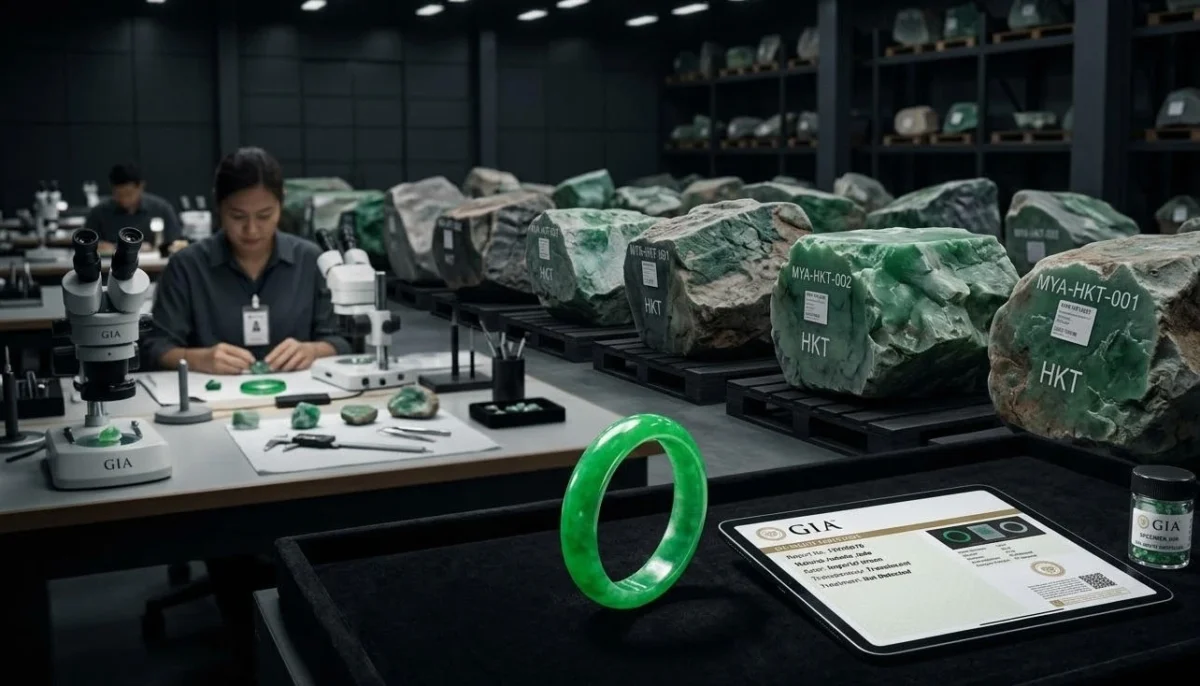
The Five-Region Reference Matrix (Built From Production Data, Not Market Reports)
| Region | Jade Type | Output | Mid-Grade Price/kg | Production Yield | Primary Buyer | Best Channel |
|---|---|---|---|---|---|---|
| Myanmar | Jadeite | 35,000–50,000 MT | $500–$2,000 | 55–65% | East Asian luxury | Premium jewelry, auction |
| China (Xinjiang) | Nephrite (Hetian) | ~20,000 MT | $200–$8,000 | 60–70% | East Asian collectors | Luxury retail, collector |
| Guatemala | Jadeite | 3,000–5,000 MT | $300–$6,000 | 58–68% | Western design buyers | Contemporary wholesale |
| Canada (BC) | Nephrite | 300–400 MT | $50–$2,000 | 72–82% | Western design, spec | Lifestyle retail, arch. spec |
| Russia (Siberia) | Nephrite | 200–500 MT | $100–$2,500 | 65–75%* | Specialist collectors | Specialist retail |
*Adjusted for 25–35% internal fracture discovery rate in blocks above 20kg
The production yield column does not appear in any wholesale catalog — because it is only available to manufacturers with direct processing experience across all five origins. It changes the per-unit economics calculation for every origin in ways that per-kilogram price comparisons cannot capture.
The 4 Questions That Determine Which Origin Your Business Actually Needs
Question 1: Who is your end buyer, and what cultural framework do they use to evaluate jade? The cultural framework of your end buyer determines which origins carry a self-explanatory premium — requiring only authentication from you — and which require active narrative construction. An East Asian collector evaluating Hetian jade applies a culturally embedded evaluation framework that makes the Xinjiang premium self-evident. A Western luxury consumer evaluating Guatemalan jadeite applies no pre-existing jade cultural framework — your task is constructing the Maya narrative with archaeological specificity. Getting this cultural mapping right before selecting an origin is the difference between a product line that sells on its own merits and one that requires constant buyer education at every conversion.
Question 2: What retail price point does your channel support, and which origin’s true cost — including yield loss, certification, and logistics — is compatible with that price point? Working backward from your target retail price through markup, channel margin, logistics, certification overhead, and your minimum acceptable gross margin produces a maximum true raw material cost per unit — not per kilogram of rough, but per finished piece including yield loss. Many traders discover that the origin they assumed was too expensive is cost-competitive on a per-finished-piece basis once yield rates are applied, or that their assumed cost-efficient origin is less competitive than its per-kilogram price implies.
Question 3: What documentation does your distribution channel require, and which origin’s supply chain can deliver it? Hetian jade and Myanmar jade require laboratory-confirmed origin and treatment status certification from institutions such as GIA or SSEF to defend their premiums. Canadian nephrite satisfies the Federal Trade Commission’s jewelry guidelines and Western market disclosure requirements with supplier-level documentation. Guatemalan jadeite requires GIA or equivalent origin certification. Russian nephrite requires active supply chain management to obtain verified origin documentation through or around the Chinese processing network.
Question 4: What is your brand’s differentiation strategy, and which origin most directly supports it as a non-replicable competitive advantage? Origin-based differentiation is one of the most sustainable competitive advantages in crowded wholesale jade jewelry markets, because an origin, its cultural narrative, and the supply chain relationships required to source it authentically cannot be replicated overnight by a competitor who reads your catalog. A brand built around certified Hetian jade with documented Chinese jade cultural content is genuinely difficult to replicate without years of supply chain development. A brand built around verified Guatemalan jadeite with accurate Maya content and GIA-documented origin is equally defensible.
The Pre-Procurement Protocol We Apply Before Every Sourcing Recommendation
Our procurement team applies a five-stage protocol that traders can adapt independently. Stage one is buyer profile mapping — defining the cultural framework, price tolerance, and documentation requirements of the specific end buyer. Stage two is origin shortlisting — eliminating origins mismatched to the buyer before material assessment resources are committed. Stage three is supplier qualification — verifying supply chain depth through transaction history review and mine-of-origin documentation inspection. Stage four is physical sample assessment — evaluating representative samples under standardized lighting conditions against verified reference samples, not catalog photography. Stage five is laboratory confirmation — submitting batch samples to GIA, SSEF, or International Gem Society (IGS) equivalent accredited institutions, with certificate numbers verified directly against issuing laboratory databases before procurement commitment is finalized.
Why Source Directly Through a Manufacturer With 65 Years of Verified Origin Relationships
The advantages documented throughout this guide — primary-tier material access, production yield data, treatment detection experience, origin fraud pattern recognition, and documentation infrastructure — are operational capabilities built through decades of direct manufacturing engagement. They produce measurable differences in material quality, documentation credibility, and per-unit economics that per-kilogram price comparisons between anonymous wholesale jade supplier quotes cannot capture.
JADE MAGO has spent over 65 years building direct procurement relationships in Myanmar and China’s Xinjiang region at or near the primary supply tier — meaning the material available through our supply chain has not been pre-filtered by the Yunnan processing networks that absorb the highest-grade Burmese rough before it reaches international jade wholesale channels.
Our production facilities have processed hundreds of thousands of jade pieces across all five producing regions, generating the yield data, treatment detection rates, and origin fraud pattern observations documented throughout this article from direct manufacturing experience rather than market research. Documentation covering mineral identity, treatment status, and mine-of-origin certification — issued by GIA and SSEF — is integrated into the production process as a standard operational procedure, not an add-on service.
For traders and brand buyers ready to build product lines that can defend their prices, their provenance claims, and their channel relationships as documentation standards continue to tighten, a sourcing conversation with JADE MAGO begins from a different starting point than a conventional jade supplier inquiry. Rather than presenting available inventory and inviting selection by price, we begin by mapping your buyer profile, distribution channel requirements, documentation standards, and target retail price structure — the four questions from this chapter — before making any material recommendation. You receive physical samples for evaluation before purchase commitment, production-data-supported origin recommendations, and pricing that reflects primary-tier supply chain access rather than multi-layer wholesale margins.
You can verify our supply chain claims because the production records exist and are accessible. You can confirm our origin documentation because it is issued by accredited institutions whose databases you can check independently. The relationship between your brand’s credibility and our supply chain’s integrity is direct and documentable — which is precisely the foundation that sustainable premium positioning in the jade wholesale market requires.
Jade Wholesale – 5 Major Core Jade-Producing Regions Faqs
1. Where to find jade for wholesale purchasing — which producing region should I start with?
Start with Myanmar for jadeite and China’s Xinjiang region for nephrite. Myanmar accounts for 95% of global jadeite supply and sets the price benchmark for all hard jade wholesale markets. Xinjiang Hetian white nephrite commands the highest per-gram prices in the soft jade category. Your starting point depends on your target market: East Asian luxury buyers expect Burmese jadeite or Hetian nephrite, while Western design-led buyers are better served by Canadian nephrite or Guatemalan jadeite.
2. How do I tell real jade from fake when buying wholesale?
Genuine jade is mineralogically either jadeite or nephrite — every other stone sold under the jade label is a simulant. For wholesale purchases, visual inspection alone is insufficient. Require batch-level laboratory testing from accredited institutions such as GIA or SSEF for any purchase above a defined value threshold, and verify certificate numbers directly against the issuing laboratory’s database. In our production facilities, 15–25% of material labeled as jade nephrite in unverified wholesale batches contains identifiable non-jade simulant content — a risk that drops to under 5% with verified supply chain relationships.
3. What is the difference between jadeite and nephrite, and does it affect wholesale pricing?
Yes, significantly. Jadeite is harder, rarer, and commands headline prices in East Asian luxury jewelry markets — mid-grade Burmese jadeite trades at $500–$2,000 per kilogram. Nephrite is tougher, more widely distributed, and carries its premium through cultural prestige rather than gemological rarity — mid-grade Hetian white nephrite trades at $200–$8,000 per kilogram, with top-grade material exceeding Burmese jadeite at auction. The two minerals serve different markets, require different manufacturing processes, and support entirely different retail pricing structures. Treating them as interchangeable is the most common and most costly error in jade wholesale procurement.
4. Why is Hetian jade so expensive, and is the price justified for wholesale buyers?
Hetian jade’s price is driven by a combination of genuine geological scarcity and 3,000 years of cultural prestige in the world’s largest jade consumer market. Since the early 2000s, Chinese government regulations have progressively restricted Xinjiang nephrite extraction, with river pebble collection now subject to seasonal prohibitions and annual quotas. Certified Hetian white nephrite has increased in average price by over 300% in the past fifteen years, with no supply expansion mechanism available under current regulations. For wholesale buyers targeting East Asian luxury, gifting, or collector channels, the price is justified — but only when the material is sourced with laboratory-confirmed Xinjiang origin documentation. Without that documentation, you are paying Hetian prices for material whose premium you cannot defend to downstream buyers.
5. Can I source authentic real jade for wholesale without going through multiple intermediaries?
Yes, but it requires working directly with a source manufacturer that maintains verified procurement relationships at or near the primary production tier. Most international wholesale buyers access Burmese jadeite and Chinese nephrite through multi-tier broker networks in which the highest-grade material has already been absorbed by primary processors before it reaches open market channels — and in which treatment status and origin documentation are frequently incomplete. A direct manufacturer relationship provides access to production-floor yield data, batch-level authentication protocols, and origin certificates issued by GIA or SSEF that are built into the supply chain from the point of procurement rather than constructed retrospectively.