
Positional Offset Risks in Jade Process: How Can Jade Manufacturer Effectively Mitigate Them?
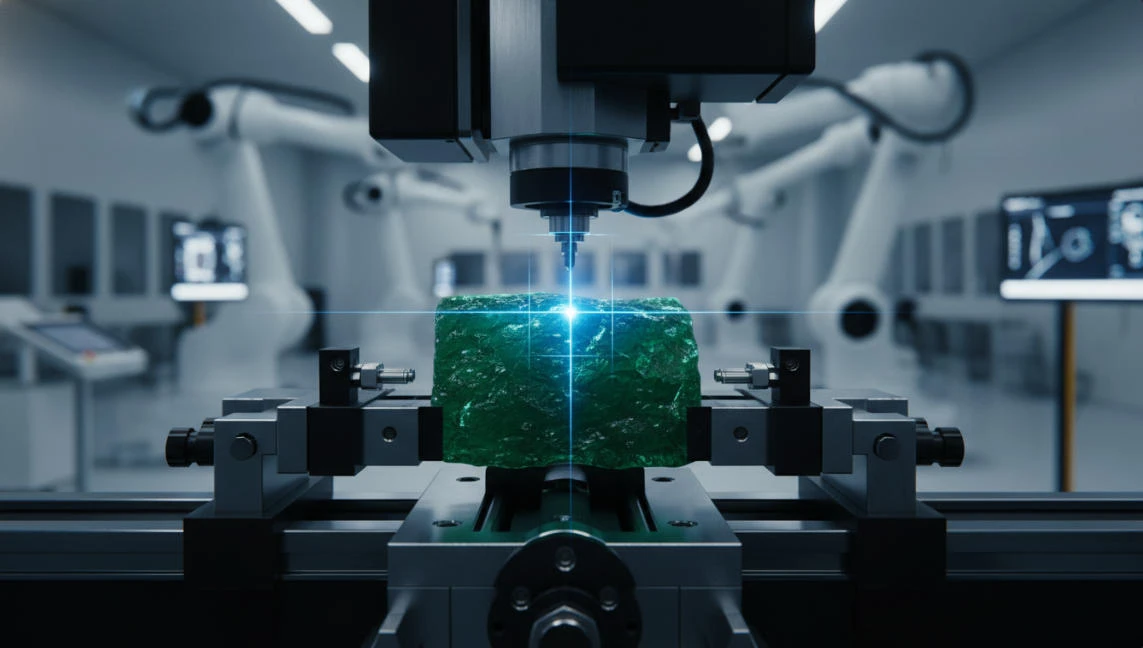
Positioning shift in jade process is one of the most costly and preventable production failures in jade processing. A deviation of just 1–2mm can trigger rework cycles, structural fracture, or total material loss. This article identifies the root causes across both manual and jade CNC machining operations, quantifies damage across three severity tiers, and delivers actionable prevention protocols for jade processing manufacturers.
Explanation and Identification of Jade Dyeing Techniques in the Jade Processing Process

A $5 jade stone can be dyed and sold for $150 — a 2,500% margin that drives systematic treatment across the supply chain. This article breaks down how dyeing is manufactured, why detection is failing, and what verification steps protect your sourcing decisions before a purchase becomes a liability.
Jade Undercutting in Custom Carving: Manufacturing Challenges, Assessment Criteria and Production Solutions
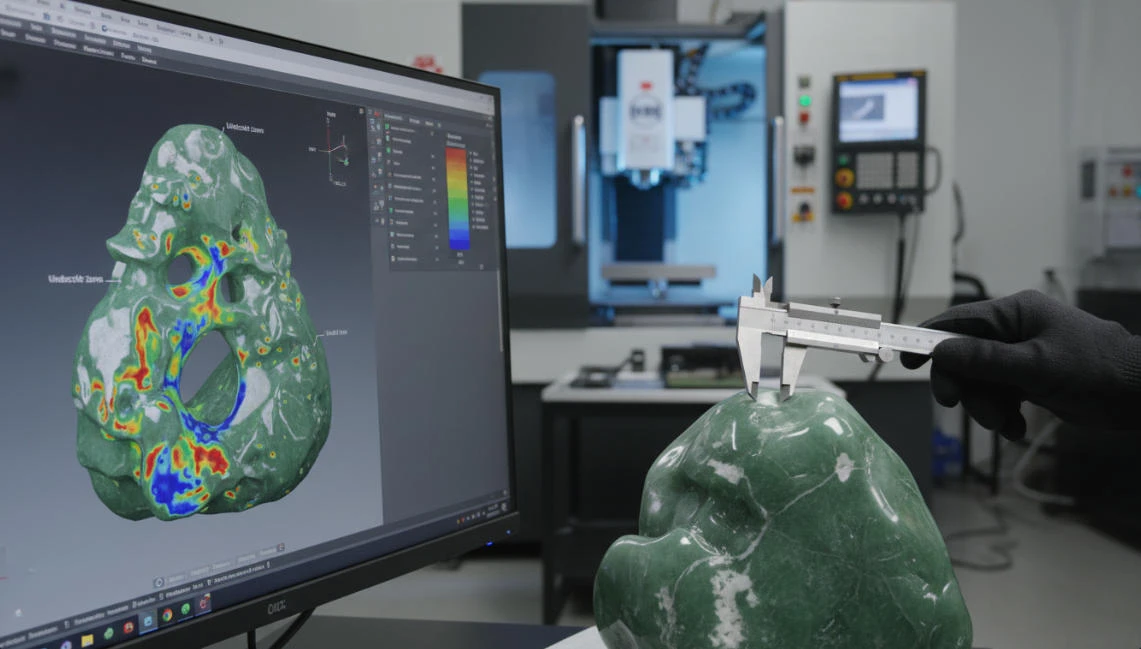
Jade undercutting is a manufacturability problem, not a machining accident. Undercut zones covering just 10% of carved surface area consume over 50% of total production hours, elevate breakage risk, and compromise polishing quality. Identifying undercut geometry before production begins — through design assessment, layered carving, and targeted hand-finishing — is the only reliable way to control yield, cost, and delivery outcomes.
Jade Wholesale Risks: The Complete Guide to Material Fraud Detection
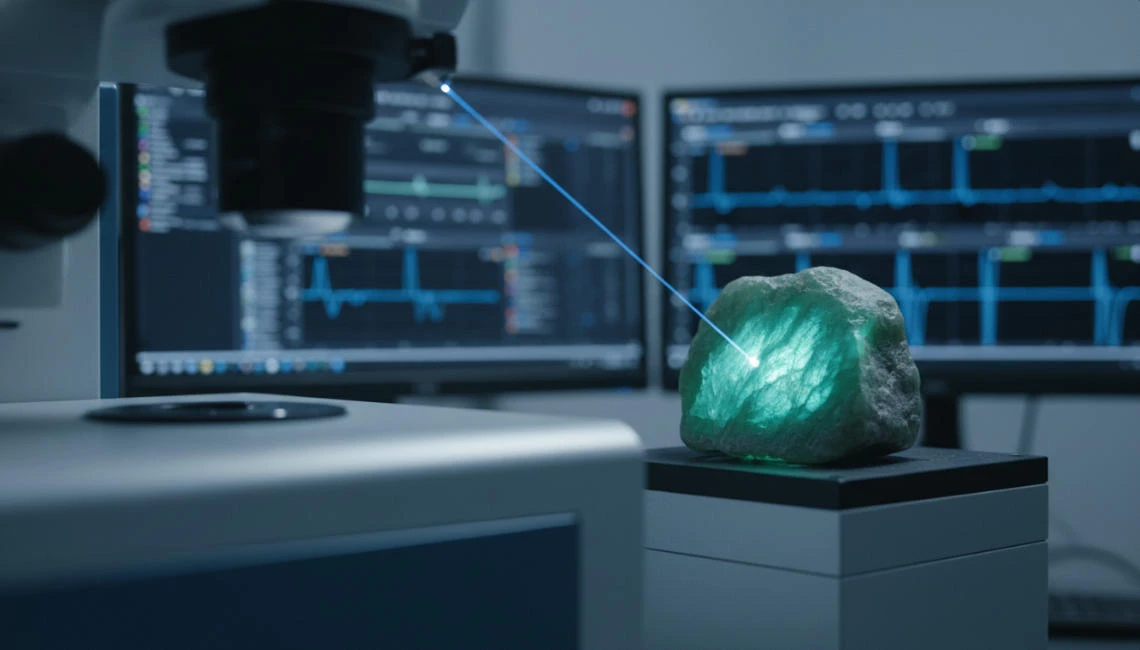
In the jade wholesale risks, material fraud has consistently exposed buyers to significant risks and financial losses. By understanding five common techniques used to falsify materials—along with three key methods for authentication—one can effectively mitigate the wholesale risks associated with such fraud.
How the Evolution of Jade Carving Tools Has Fundamentally Changed Efficiency and Quality in Jade Manufacturing
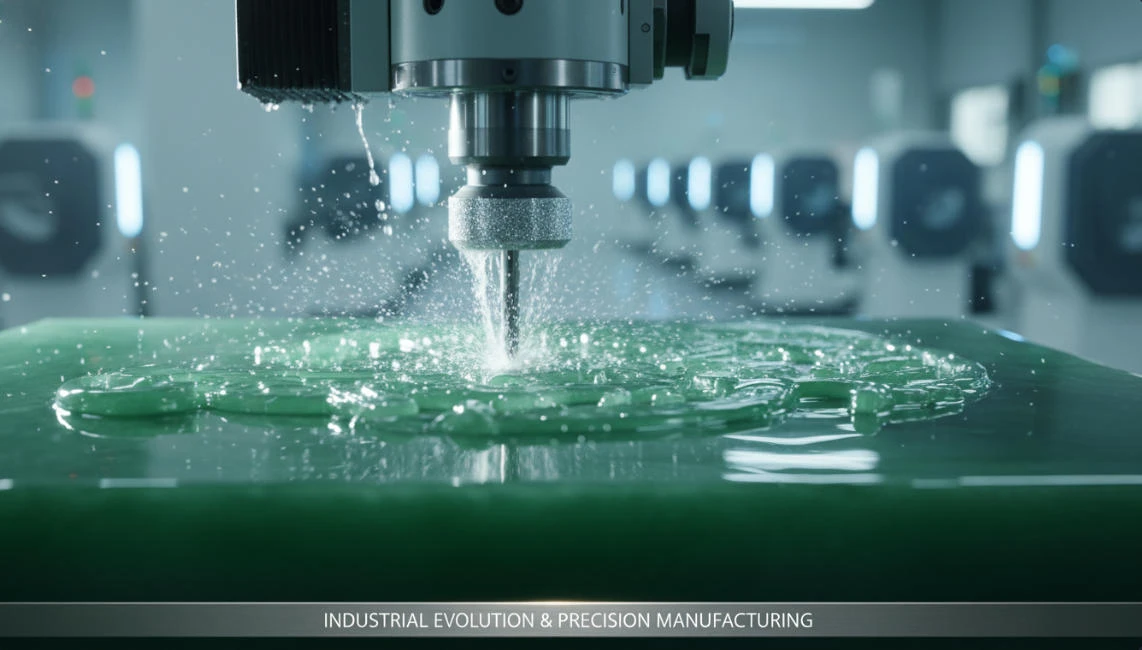
From sandstone abrasives to 5-axis CNC gemstone machining, every generation of jade carving tool has shifted one variable: replacing empirical judgment with parametric control. The result — 80% faster processing, ±0.05mm dimensional accuracy, and measurably higher material yield — defines the performance gap between a modern jade processing factory and a traditional workshop.
How AI Is Redefining Jade Wholesale Risks: The Future of Smarter, Safer B2B Jade Sourcing
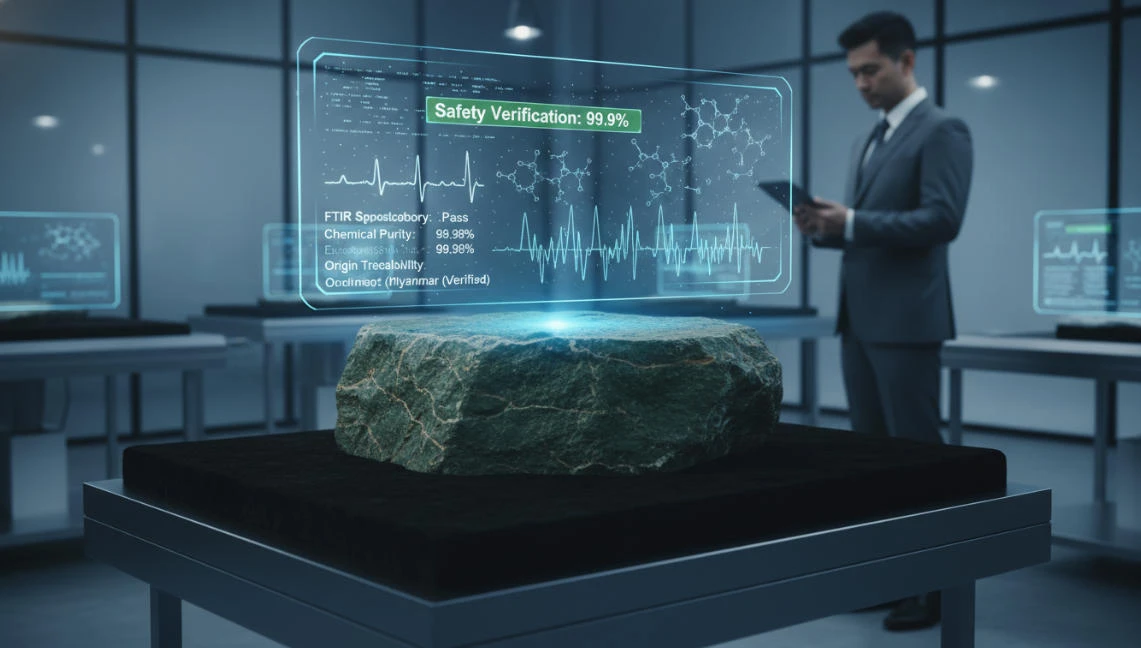
Jade wholesale risks affect every B2B buyer: up to 31% of mid-tier
wholesale lots contain undisclosed treated material. AI classification
tools now reach 91.3% accuracy, but cannot replace lab certification
from GIA or SSEF. Direct sourcing from a verified jade manufacturer
remains the most reliable structural risk-reduction strategy available.
Tumbling Polish Gemstone: Full Process Parameters, Yield Control
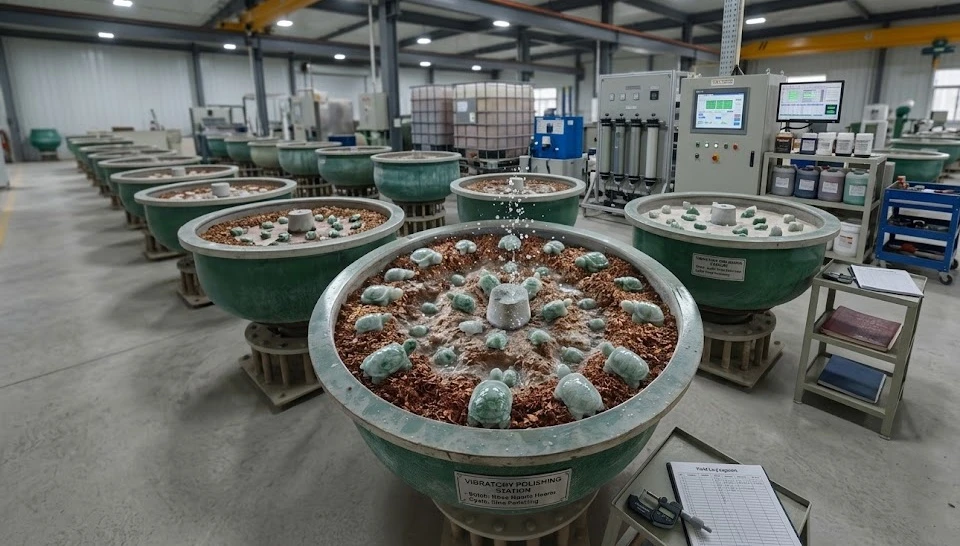
Tumbling polish gemstones require strict standards and dynamic adjustments. Careful parameter control and disciplined workflow ensure superior surface finish and lower defect rates, optimizing both quality and production efficiency.
How the Jade Process With Shaping Machines and Molds Delivers Over 80% Production Efficiency
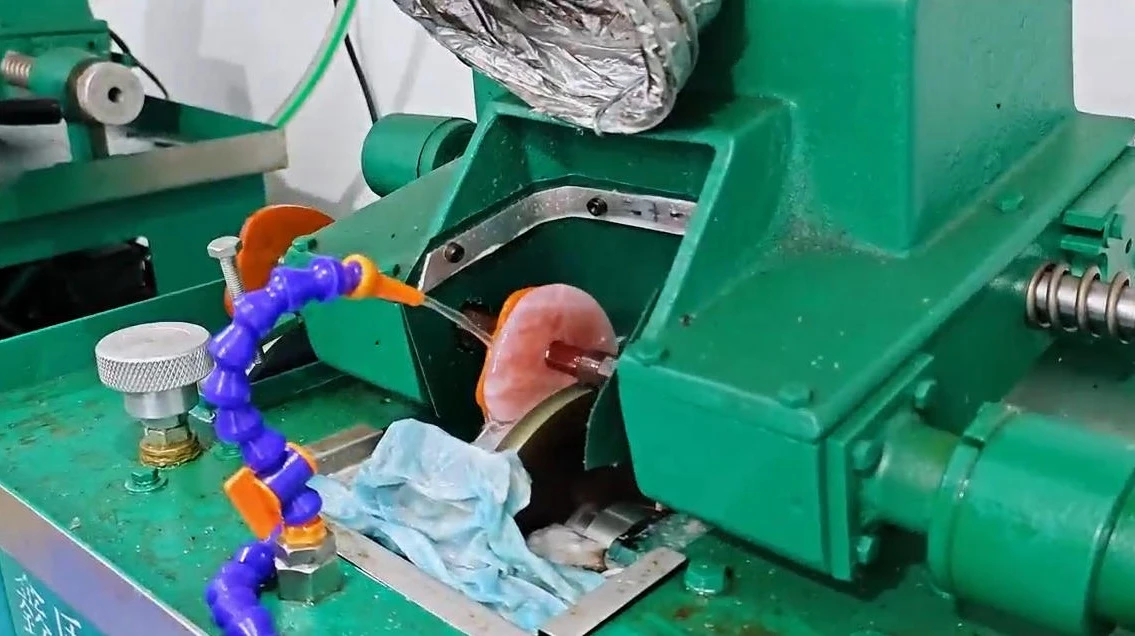
JADEMAGO’s internal production data shows that integrating shaping machines with precision molds increases jade semi-finished output by 81.6% compared to hand carving within a single shift. This jade process eliminates dimensional variability, enables continuous batch production, and delivers 0.1–0.3 mm consistency — giving you lower per-piece cost and tighter quality control at commercial scale.
How a Jade Manufacturer Handles OEM Jade Products — From Design Review to Consistent Production
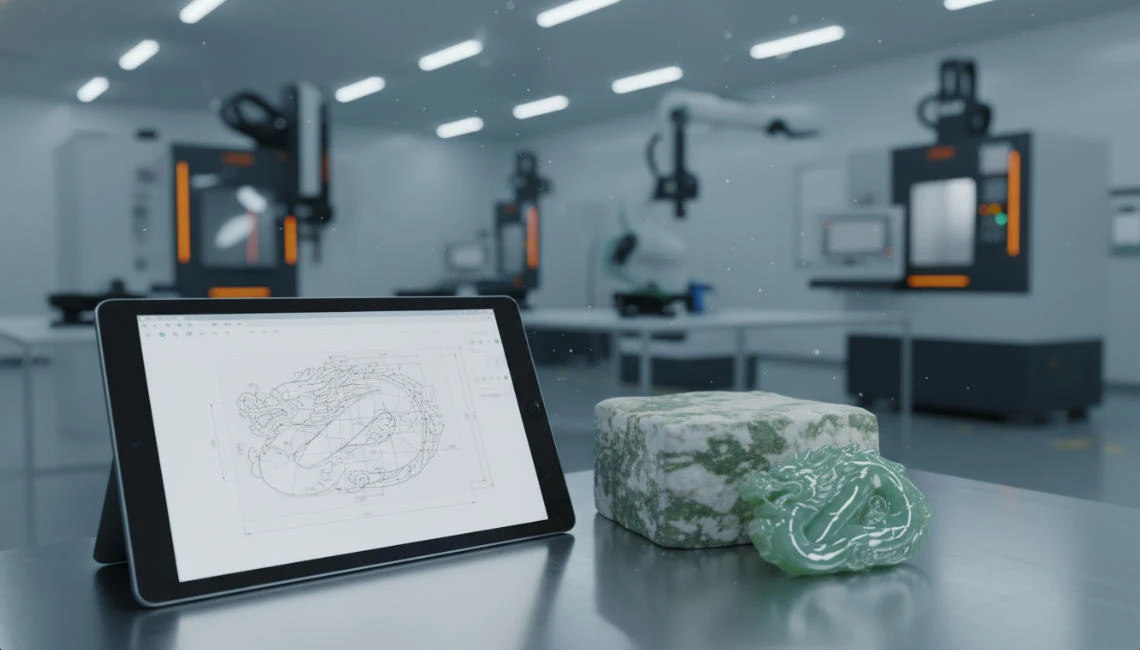
OEM jade products demand more than a willing manufacturer — they require design
feasibility review, material-matched sourcing, five-axis CNC machining, and
structured batch inspection. This guide covers every stage of the jade
manufacturing process, with the technical detail you need to evaluate any jade
manufacturer before placing an order.
Why Raw Material Screening Is the Most Critical First Step in the Jade Manufacturing Process
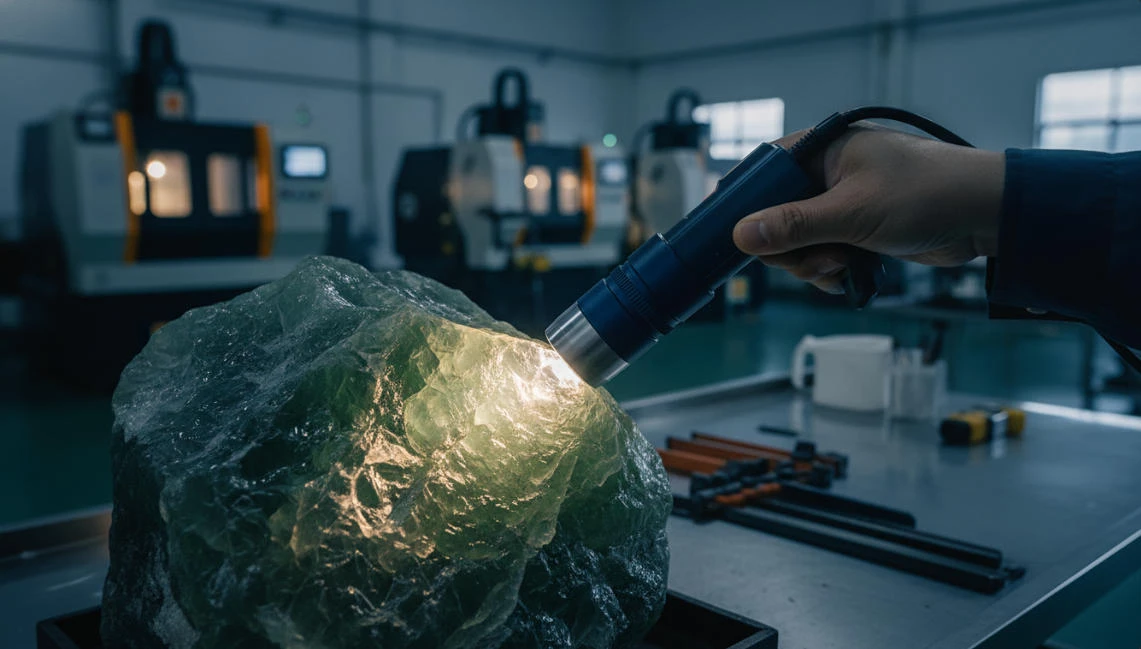
Raw material screening is the single most controllable variable in jade manufacturing. Unscreened jade material drives yield losses up to 50%, destabilizes CNC crystal cutting output, and makes delivery commitments unreliable. A standardized 7-step screening workflow gives every jade manufacturer measurable control over yield rate, batch consistency, and production scheduling accuracy.