
Edge Chipping in the Jade Process: Risk Analysis of Causes, Mechanisms, and Process-Level Controls
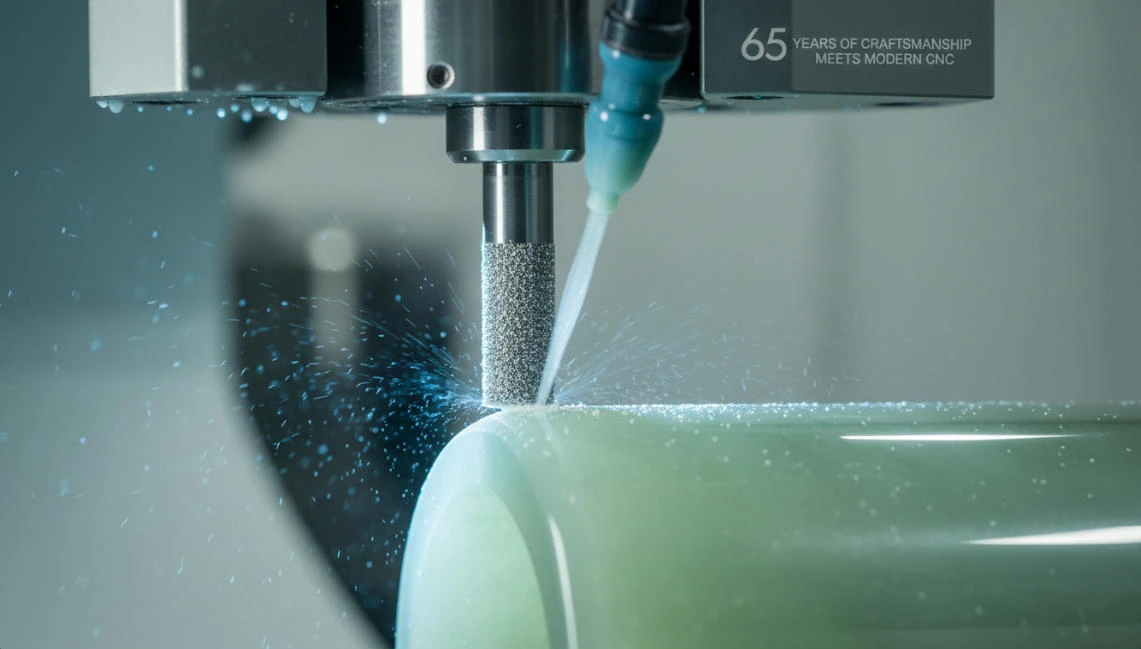
Edge chipping in the jade process originates from three compounding failure paths: grinding force overload, thin-edge structural geometry, and tool runout. Each responds to stage-specific controls — not universal parameter adjustments. Manufacturers implementing design-stage validation, progressive dimensional approach, and precision spindle maintenance consistently reduce jade edge chipped defect rates from an industry average of 18–35% down to 3–6%.
Jade Drilling in Jade Processing: How to Eliminate the Highest-Risk Step in Jade Manufacturing
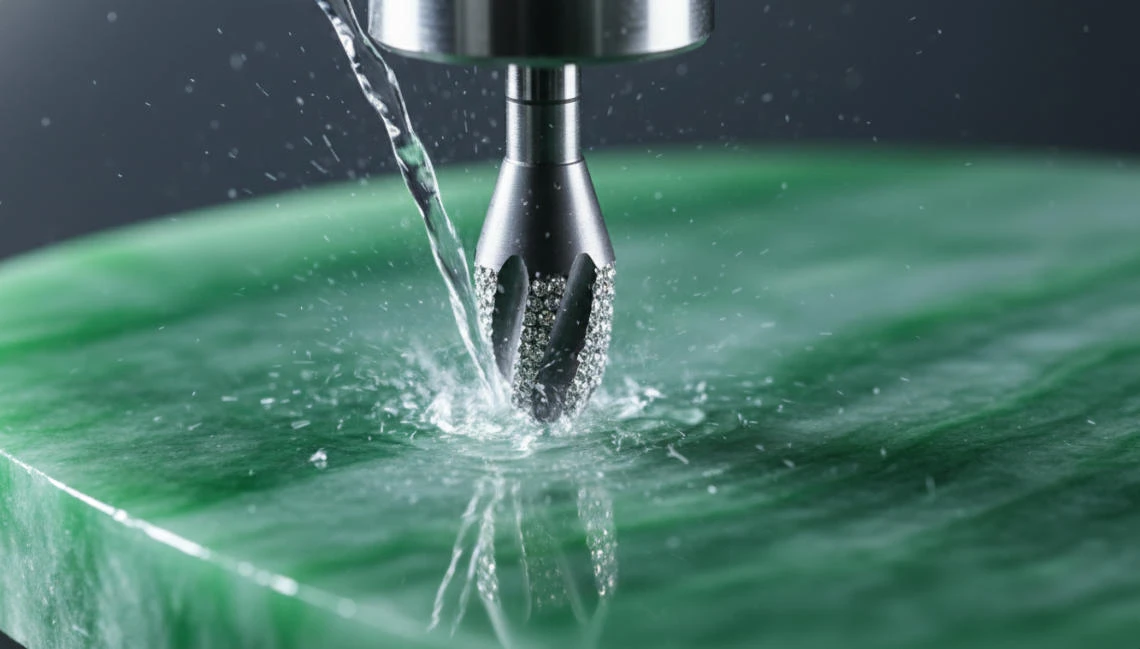
Drilling is the highest-risk operation in the jade process, responsible for 18–34% of finished-goods yield loss. This article identifies the five core failure modes of jade drilling, analyzes their physical root causes, and outlines the manufacturer-grade controls — method selection, parameter discipline, cooling systems, and sequence design — that systematically reduce drilling-related defects.
Gemstone Lapping and Polishing: Critical Final Processes in Gemstone Manufacturing
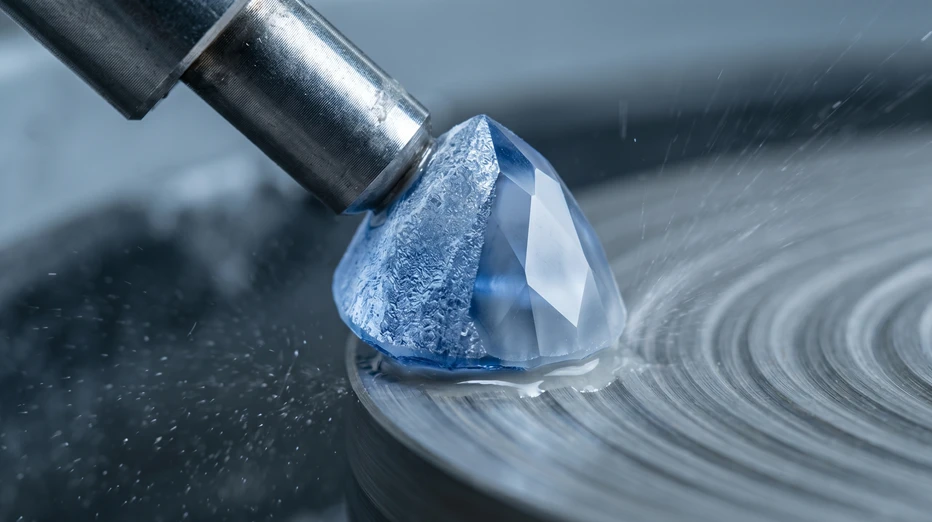
Gemstone lapping and polishing are the two final stages that directly determine a finished stone’s surface quality, dimensional accuracy, and market value. This guide covers the complete grit sequence, material-specific compound selection, hand versus machine polishing methods, and the quality control protocols that separate consistent industrial-scale gemstone production from unreliable output.
Private Label Crystal Manufacturer: Transforming Concepts into Customizable, Production-Ready Crystal
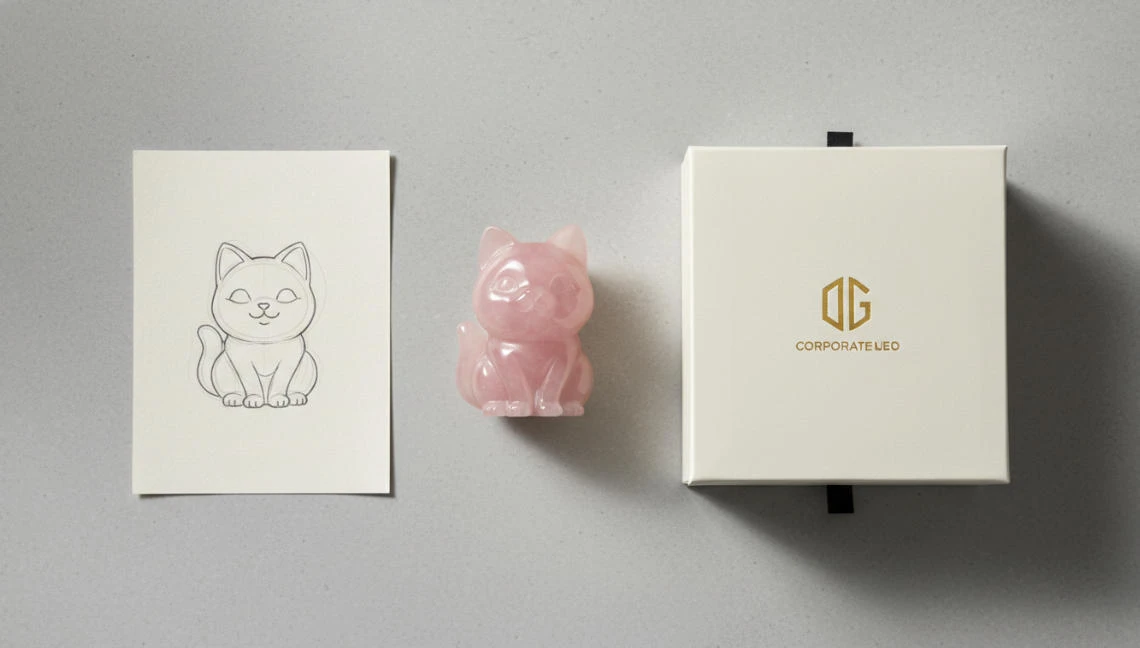
A private label crystal manufacturer transforms B2B crystal sourcing from price-driven commodity buying into a brand-owned asset. This article explains what genuine private label manufacturing capability looks like, why it delivers measurable margin and supply chain advantages, and how to evaluate a qualified crystal custom production partner before committing to a program.
The 6 Major Factors Determining Jade Material Yield Rate—and Corresponding Solutions in Jade Process
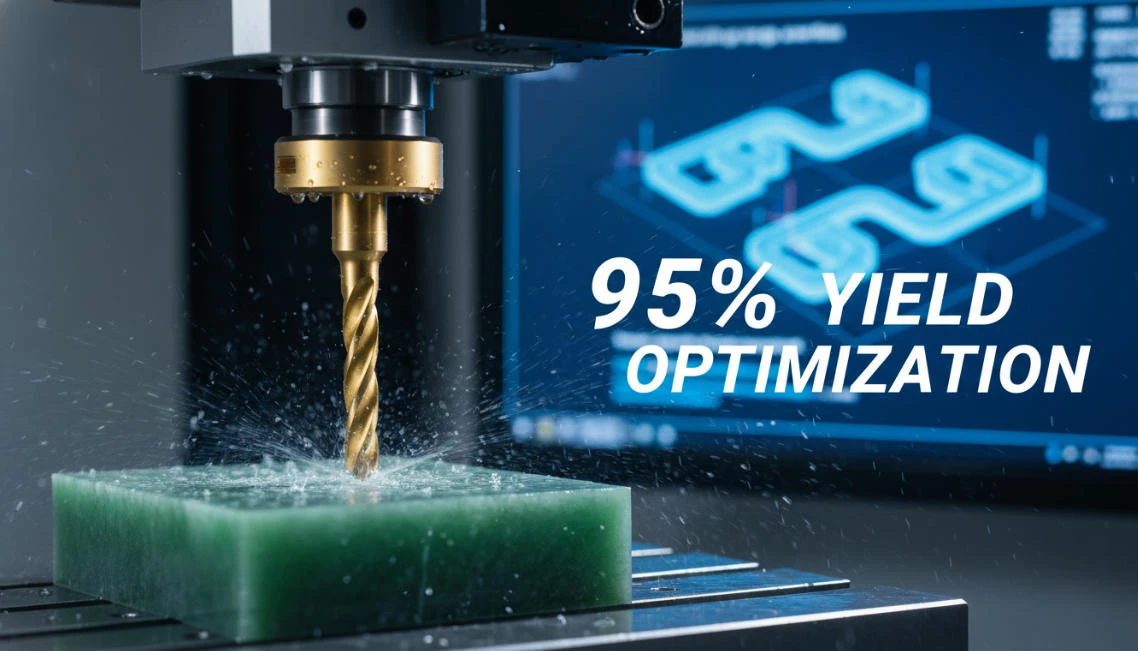
The six factors that determine jade material yield rate — raw material quality, design layout optimization, cutting method and kerf loss, jade CNC machining precision and tolerance control, in-process breakage risk, and operator skill standardization — each contribute independently to your total raw material efficiency. A jade manufacturer who has addressed all six through systematic process design will consistently outperform one who has addressed only two or three, even if the partially-optimized supplier appears competitive on a per-piece quote.
Why Jade Parts Crack During Machining: A Jade Manufacturer Guide to Jade Process Risk Management
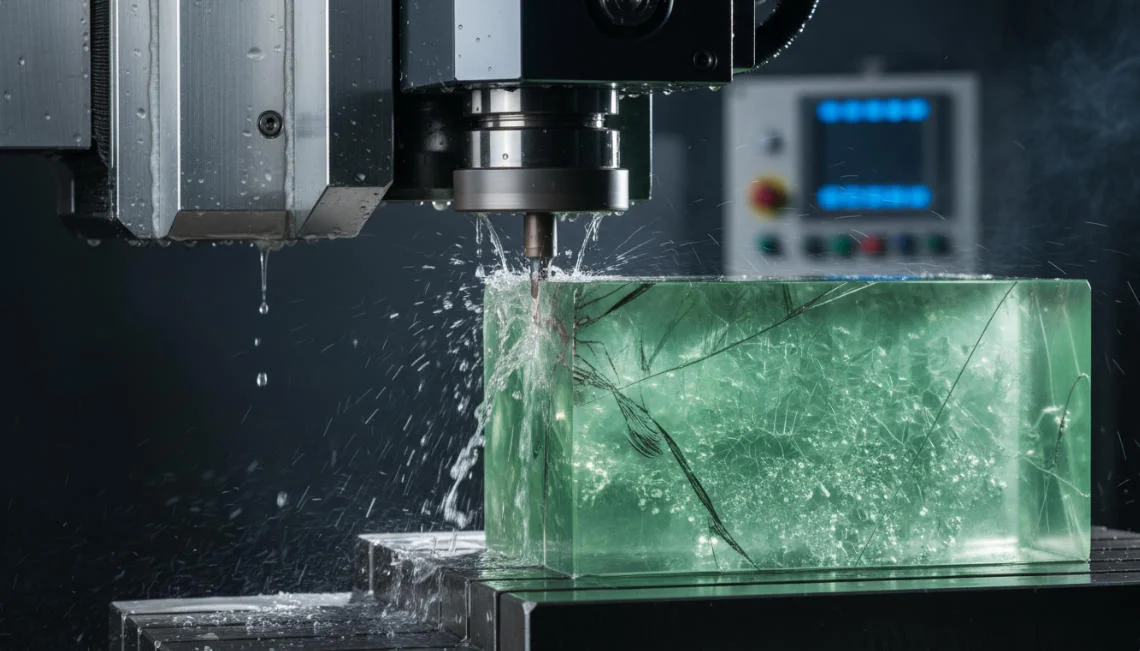
Jade parts crack due to natural defects, design flaws, and machining stress. This guide explains why cracking is unavoidable and how a jade parts manufacturer manages risk through material inspection, optimized parameters, and DFM principles—helping buyers reduce failure rates, improve yield, and make informed sourcing decisions in jade process manufacturing.
Precision Jade Carving: How Micron-Level Control Is Redefining the Standard for Jade Manufacturer
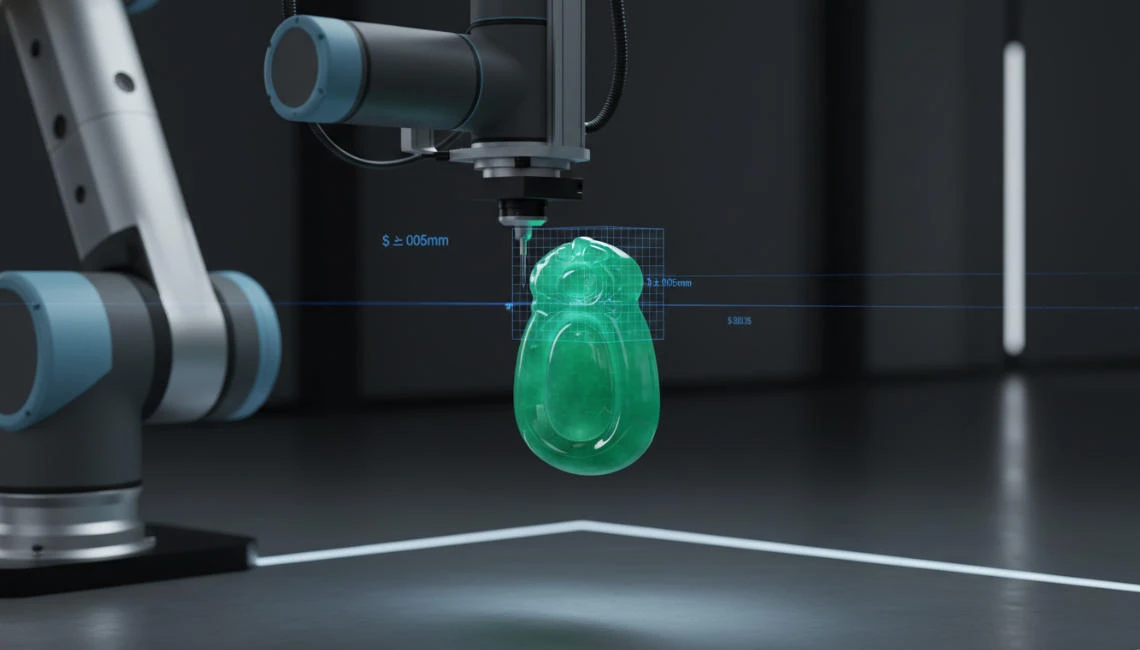
Precision jade carving redefines jade manufacturing with micron-level tolerance control. By integrating CAD/CAM, CNC machining, and AQL inspection, it improves yield, reduces defects, and ensures consistent, repeatable quality for scalable B2B production.
Why did JADEMAGO Choose 5-Axis CNC Gemstone Machine? What Does This Mean for Jade Process?
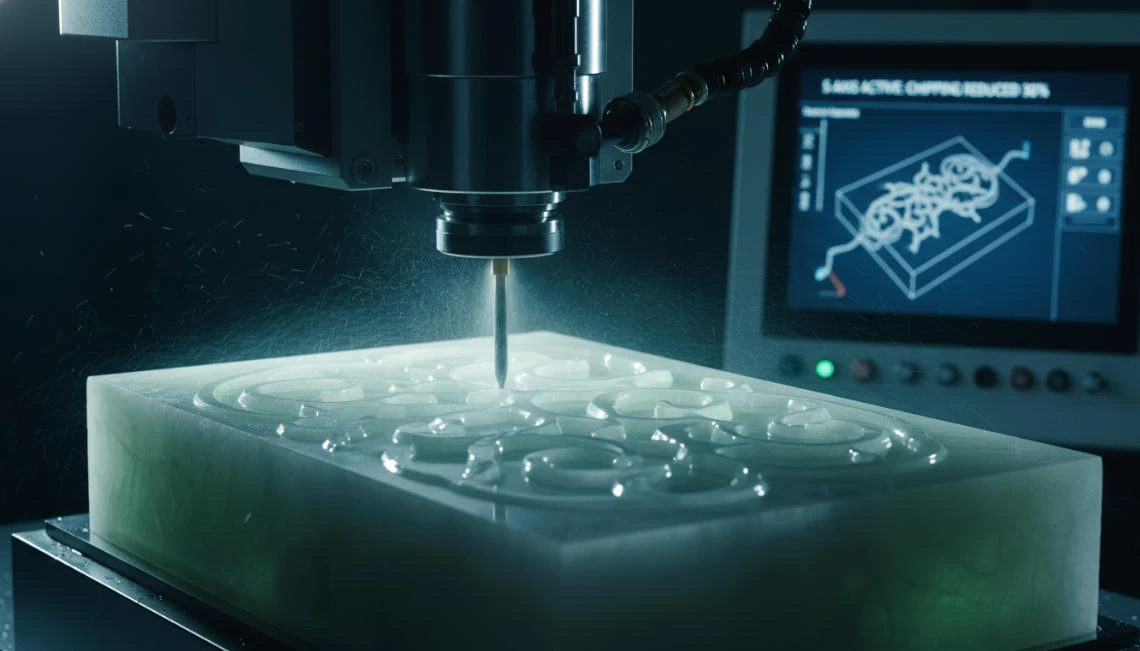
5-axis CNC gemstone machining outperforms 3-axis systems by reducing chipping rates by 10-30%, enabling complex 3D sculptures, and cutting polishing time by 20%. However, it costs 2-5x more and requires advanced programming expertise and rigorous maintenance. It’s optimal for complex, high-value jade products but unnecessary for simple geometries.
Limitations and Solutions for CNC Crystal Cutting — A Practical Guide from a Crystal Process Manufacturer
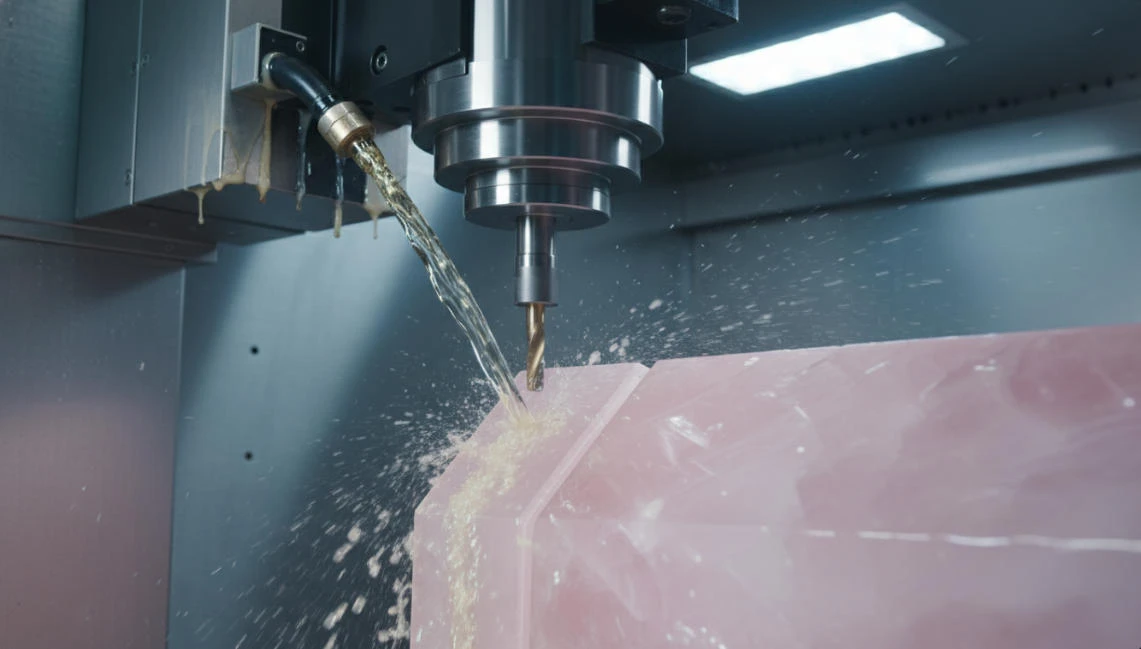
This article explores the structural limitations of CNC crystal cutting, including micro-cracks and yield risks. JADEMAGO provides manufacturer-proven solutions—such as vibration-damped machining and hybrid CNC-manual workflows—to eliminate shipping losses and maximize ROI. Learn how to optimize your B2B supply chain for scalable, mirror-polished, luxury-grade gemstone products.
How Does a Gemstone Factory Ensure Gemstone Manufacturing Quality Control?
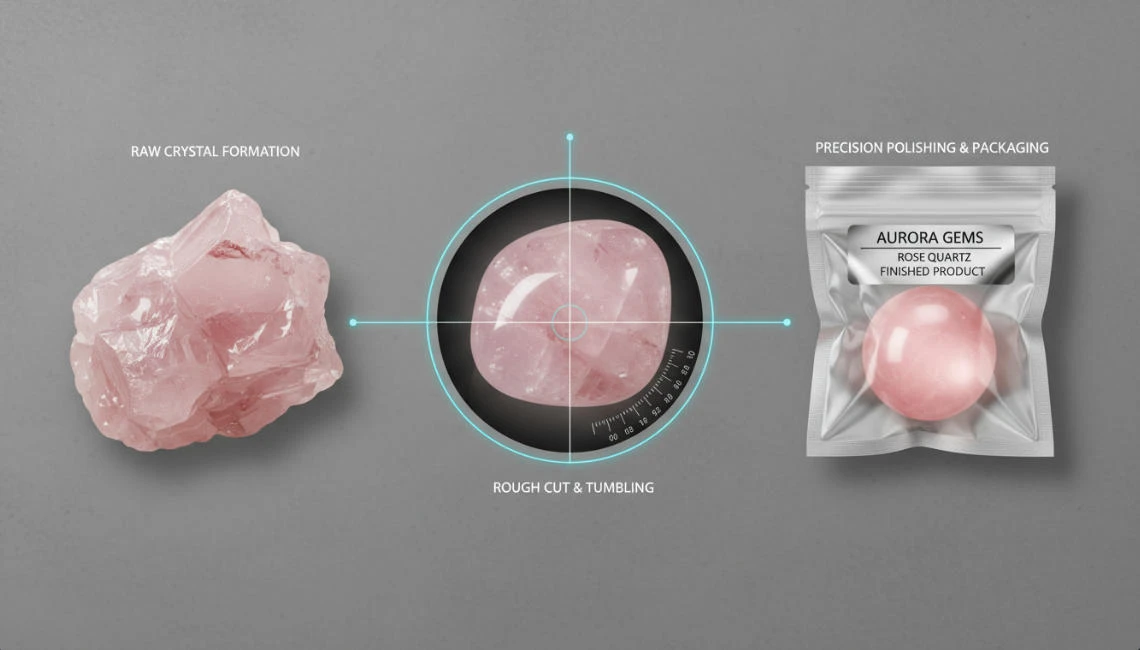
Gemstone manufacturing quality control is not a single checkpoint — it is a
four-stage system spanning raw material sourcing, production process control,
multi-step inspection, and packaging validation. Each stage eliminates risks
the previous cannot. Understanding this framework helps B2B buyers reduce
defect rates and procurement costs when selecting a gemstone manufacturer.